Ash Dykes begins 434-mile Sangha River inflatable kayak expedition
Welsh explorer Ash Dykes has launched a 434-mile inflatable kayak journey down Central Africa's Sangha River, the first of six extreme expeditions in his Project 6 series, facing wildlife, health, and logistical challenges.
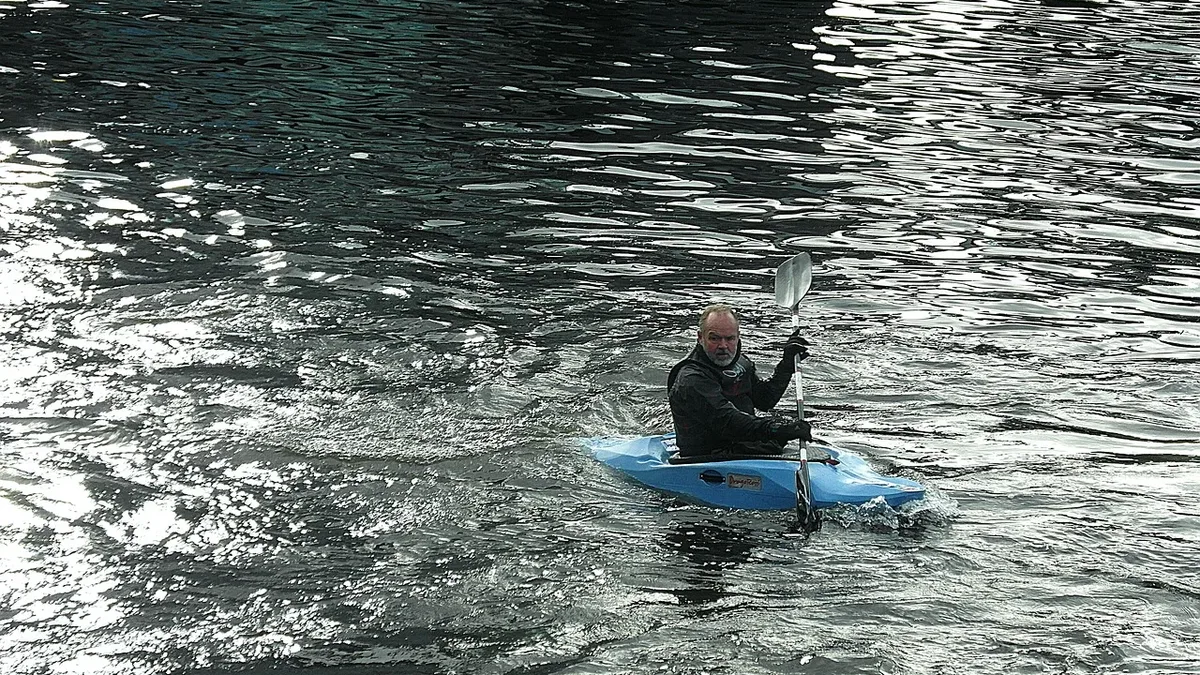
Ash Dykes has begun a 434-mile kayak journey down the Sangha River from Nola to Mossaka as the first leg of his Project 6 film series. The Welsh explorer, athlete, and author started paddling from Nola in the Central African Republic on October 8th, aiming for Mossaka in the Republic of the Congo on a trip he expects to take three to four weeks.
Team, gear and challenges
Dykes is traveling with a local guide and a videographer from the U.K., camping each night. The team is using inflatable kayaks, which can be deflated and carried in backpacks to portage around obstacles. The expedition faced an early setback when a bag containing kayak pumps, tents, food, and water failed to arrive with Dykes in Cameroon.
The river is described as relatively wide and flat with a slow current. Wildlife threats along the route include crocodiles, hippos, elephants, gorillas, and snakes. Health risks are significant, encompassing malaria, dengue fever, insect bites, waterborne pathogens, and parasites. The team's preparations include permits, vaccinations, medications, medical kits, satellite communications, insurance, and evacuation plans, with medical help several days away for much of the route.
Evan Stafford, communications director at American Whitewater, noted the logistical advantage of the gear. "[An inflatable kayak] is going to be easier to carry or walk around," he said. Such craft enable remote travel but demand advanced skills, thorough planning, and emergency readiness due to injury and illness risks. Swiftwater instructor Sarah Kilbourne contracted E. coli during an eight-day packrafting trip in Mexico. She described being so weak and mentally fatigued that it was hard to really think straight.
Early progress and field updates
Social media updates have documented the journey's first week. After launching from Nola, Ba'Aka guides took the group into the rainforest in Dzanga-Sangha on October 11th to observe African forest elephants. The following day, the team spent hours tracking western lowland gorillas, looking for silverbacks. Dykes described one day as intensely hot, noting the tents offered little relief.
The Project 6 plan involves time with forest communities, work with local partners, and support for a grassroots NGO along the route. Tropical ecologist Bart Crezee, who holds a Ph.D. and has co-led field campaigns in the region, pushed back on narratives overemphasizing wildlife danger. He noted that malaria, safe drinking water, remoteness, and distance from medical care are likely more critical concerns than dramatic animal encounters for those traveling these rivers.
Fans have engaged with the expedition online, with some creating joke posts about their own "Congo Basin" adventures on local lakes. Dykes' official channels on TikTok, Instagram, and YouTube provide ongoing updates via satellite communications.
What's next on the river
The team continues downstream with plans to cover distance before peak heat each day. They are back on the water early to cover distance before the heat builds again.