Fairfax Bridge Closure Blocks Access to Mount Rainier Routes
The indefinite closure of the Fairfax Bridge has cut off access to Tolmie Peak, the Carbon River area, and key Mountaineers teaching sites in Mount Rainier
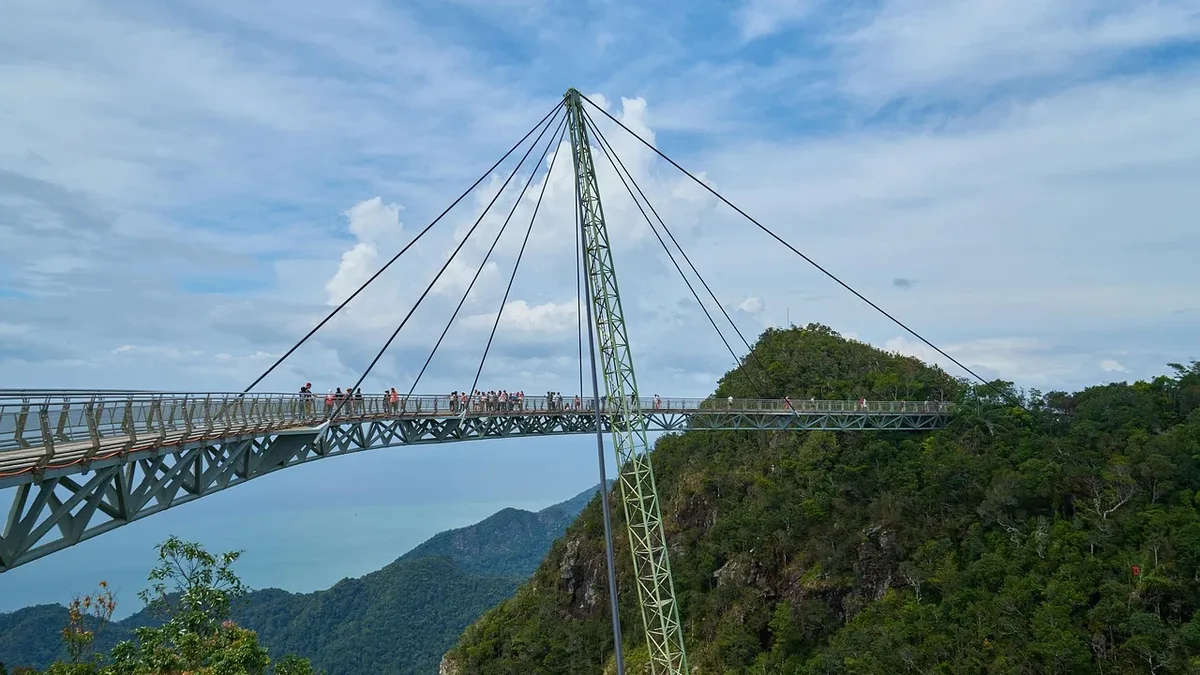
The Fairfax Bridge, the main access point to the Tolmie Peak trailhead and the Mowich Lake and Carbon River areas of Mount Rainier National Park, was indefinitely closed in April 2025. The closure, due to structural failures, may take years to resolve while the state studies replacement options.
This closure is not an isolated event. Across Washington, roads, trails, and recreation areas are shutting down with increasing frequency. Causes range from sudden natural disasters like storms and wildfires to long-term issues like deferred maintenance on aging infrastructure and budget cuts at federal land management agencies.
Key Teaching and Gathering Sites Cut Off
Public land closures directly hinder outdoor skill development. The Mountaineers, an organization focused on building outdoor skills and confidence, relies on specific, proven locations for its courses. The Fairfax Bridge closure blocked access to the organization's Irish Cabin property, a longtime base for youth camps, family outings, and navigation courses in the Carbon River area.
Other closures force last-minute logistical changes. The washout of Glacier Creek Road added a nine-mile roundtrip road walk to reach the Heliotrope Ridge area, a key site for teaching glacier travel skills and accessing the popular Coleman-Deming Route on Mount Baker. After the 2025 Labor Mountain Fire, a burned area closure restricted access to Bean Creek Basin in the Teanaway, a prime scrambling destination.
Foothills leader Christina Black stated, "Losing access has meant having to think creatively about course locations, spreading students out across a wider area to terrain that does not provide as many learning opportunities."
Impacts on Local Communities and Tribes
Gateway communities that depend on outdoor tourism suffer economically when access is cut. The Fairfax Bridge closure transformed the town of Wilkeson, a gateway to Mount Rainier, into a dead end. Wilkeson’s mayor, Jayme Peloli, shared, "The Fairfax Bridge has been our lifeline for over 100 years."
Closures also disrupt the cultural and traditional practices of Native Tribes. A landslide in December that closed the Suiattle River Road cut off members of the Sauk-Suiattle Indian Tribe from accessing a tribal cemetery and their ancestral homelands.
A Broader Pattern Reshaping Access
The report identifies a compounding crisis: climate change is intensifying environmental events that damage trails and roads, while chronic staffing shortages and funding gaps leave agencies unable to maintain or repair them promptly. While thoughtful closures for stewardship, like seasonal wildlife protections, are necessary, many recent closures lack that intent, instead blocking access to areas that could otherwise support sustainable recreation.
The outdoor community is responding by tracking repairs, brainstorming alternative trip locations, and advocating for better funding. For individuals like Tracy and Adam Linden, who had planned a return trip to Tolmie Peak where they got engaged, the closure represents a severed connection to a landscape integral to their personal story.