Overlanding Secrets of the American West
A veteran overlander shares three remote routes for vehicle-based exploration, while a group of resilient hikers celebrates completing the Pacific Crest Trail despite a challenging wildfire season.
An experienced overlander reveals three under-the-radar destinations for vehicle-based wilderness exploration in the American West. Separately, a group of determined hikers has completed the arduous Pacific Crest Trail, adapting their journeys around significant wildfire closures.
San Rafael Swell
Jay Clue, a full-time overlander, recommends the San Rafael Swell in Utah as a premier destination. This roughly 2,000-square-mile area, located southeast of Salt Lake City, is accessible only via serious off-pavement travel, which naturally limits crowds. The landscape is an overlander's playground, featuring hundreds of miles of dirt tracks past red-rock formations, hidden canyons, and sweeping desert vistas.
History and adventure are deeply woven into the terrain. Explorers can find dinosaur tracks, hundreds of Native American rock art panels, and abandoned mines. The region boasts some of the darkest skies in Utah, ideal for astrophotography. By day, activities range from hiking rim overlooks and floating rivers to tackling the 27-mile Behind the Reef OHV route. Dispersed camping is widely permitted, allowing travelers to wake up immersed in the vast wilderness. Clue notes that these dirt corridors can connect adventurers to other iconic areas like Capitol Reef's Cathedral Valley.
Oregon Outback Traverse
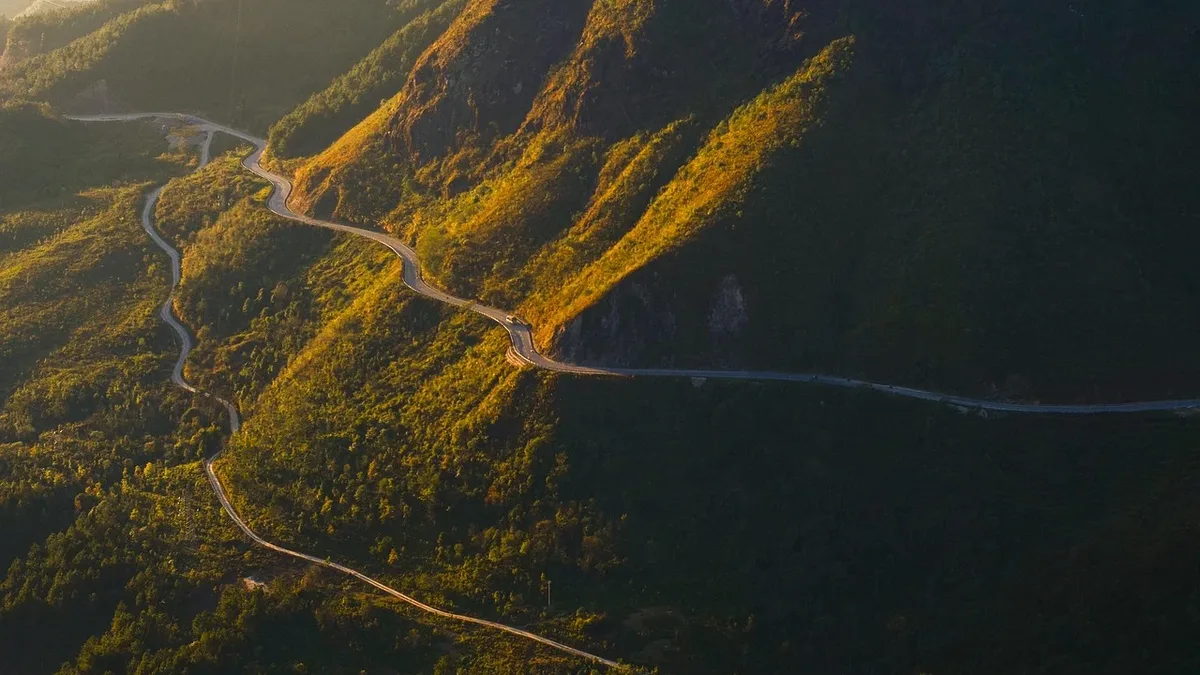
The Oregon Outback offers a multi-day dirt journey through nearly 30,000 square miles of quiet public land in southeastern Oregon. This region, home to the world's largest International Dark Sky Sanctuary, is defined by its dramatic and varied landscapes. The route takes travelers from the Hart Mountain National Antelope Refuge, with its 3,000-foot basalt cliffs and accessible hot springs, eastward to the fault-block wall of Steens Mountain.
The unpaved Steens Mountain Loop Road climbs past 9,000 feet, revealing glacier-carved valleys like Kiger Gorge. The traverse continues down to the Alvord Desert playa and concludes near the Idaho border in the Owyhee Canyonlands, known for its honeycombed volcanic spires and deep river canyons. This vast corridor demands preparation, as cell service, fuel, and pavement are scarce. The reward for those who venture here is profound solitude and uninterrupted silence.
Pacific Crest Trail Completions
The 2,650-mile Pacific Crest Trail saw numerous hikers complete their thru-hikes in 2026, despite significant challenges. A wildfire closure from Harts Pass to the Canadian border in July forced many to adapt their finishing plans before the northern terminus reopened in mid-September. Hikers demonstrated resilience by finding creative conclusions to their multi-month journeys.
We celebrate the hikers who finished this demanding trail. Their trail names and finish dates are listed below.
| Trail Name(s) | Finish Date |
|---|---|
| Bib, Crunch, Duck, Splash | October 6, 2026 |
| Flyboy | September 30, 2026 |
| Glitter & Unfiltered | September 15, 2026 |
| Crispy | September 17, 2026 |
| El Jefe | August 16, 2026 |
| Brisket & Lamb | October 10, 2026 |
| Lizard | September 25, 2026 |
| Fanboy | September 27, 2026 |
| Steady | September 28, 2026 |
| SageBrush | August 28, 2026 |
Many hikers shared brief reflections on their experiences. Flyboy called it "an epic experience." Brisket and Lamb noted they got off trail in August due to the fires but returned to reach the border later, completing 2,426 miles. Lizard stated it was the best journey of their life and that they would return. The trail demanded perseverance, a sentiment echoed by Steady, who said, "It was never easy, and that's why I loved it!" These completions, whether at the traditional border or alternate endpoints like Rainy Pass, mark remarkable achievements in a challenging year.