Senate Passes Bill Weakening Public Lands Protections
The Senate passed the Bipartisan American Affordability and Jobs Act, a bill that would fast-track development and limit environmental reviews on federal lands, threatening outdoor recreation and Tribal sovereignty.
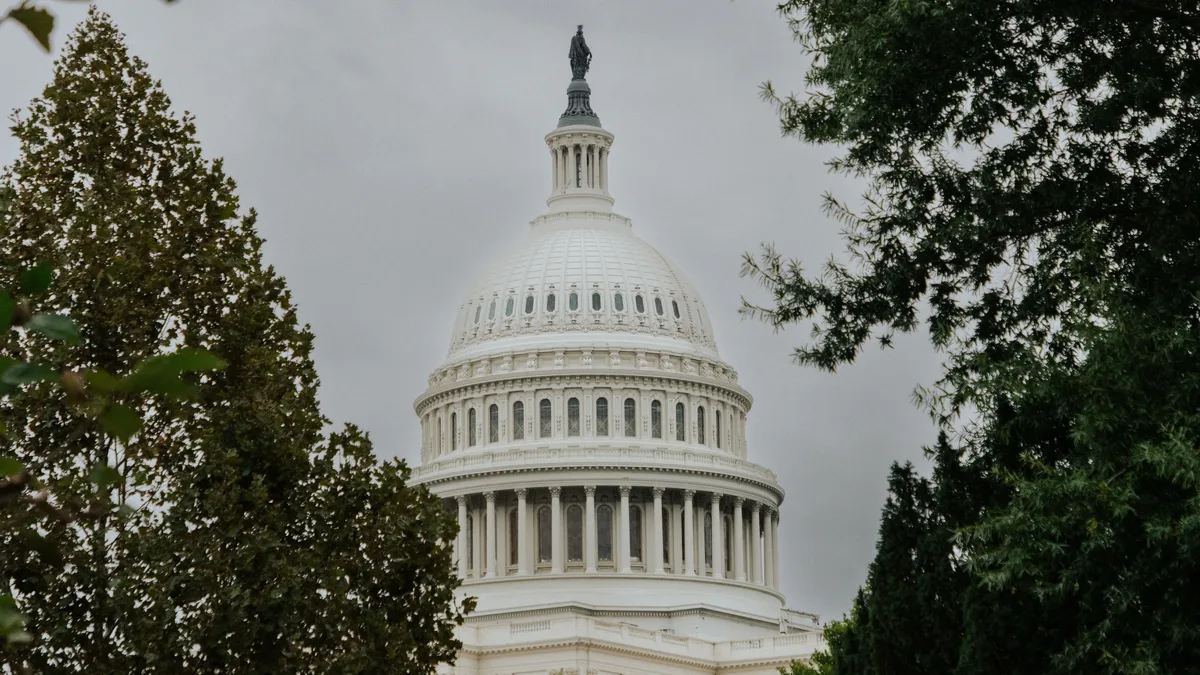
The Senate passed the Bipartisan American Affordability and Jobs Act by a 62-33 vote, advancing legislation that weakens environmental and cultural protections. The bill, now headed for quick consideration in the House of Representatives, would fast-track development projects on public lands and limit public participation in permitting decisions.
Provisions in the bill would exempt more projects from review under the National Environmental Policy Act and restrict opportunities for public comment on federal energy and infrastructure projects. It would also reduce opportunities for Tribes to participate in decisions affecting cultural resources and ancestral homelands. The legislation undermines Tribal sovereignty by making consultation optional and restricts cultural site protections, requiring fewer environmental impacts to be considered in evaluations.
The bill rewrites parts of the National Historic Preservation Act to narrow what is considered an important cultural site. This threatens tens of thousands of sacred and irreplaceable cultural sites in Southern Utah that reflect thousands of years of human history. Furthermore, the bill would limit states' and Tribes' ability to resist federal projects affecting water quality under the Clean Water Act.
It includes specific permits for data centers, oil and gas drilling, and hard rock mining on public lands. A proposed hardrock mine in the Green River Valley near Mount Saint Helens is an example of a project that could receive less environmental scrutiny if the bill passes. The bill could also preclude future administrations from taking corrective action on more than 110 mining claims in Bears Ears and Grand Staircase-Escalante National Monuments, locking in harmful development even if projects were approved illegally.
Other changes would alter hydropower project safeguards, potentially affecting river ecosystems and outdoor recreation. The legislation creates new permitting certainty provisions that make it harder for the federal government to pause or reverse projects and shifts some Endangered Species Act evaluation responsibilities to states. It also makes it far more difficult to challenge harmful decisions affecting public lands in court.
Mountaineers' Opposition and Advocacy
The Mountaineers organization has actively opposed the bill, joining partners to raise concerns and urging the outdoor community to contact representatives. While the group supports modernizing permitting to accelerate responsible clean energy development, it argues the current bill goes too far in stripping away safeguards.
The Mountaineers has joined the Outdoor Alliance in sending a letter to Congress sharing concerns and has reached out directly to congressional offices to ask members to oppose the legislation. It encourages the outdoor community to use an action form to contact representatives, share why safeguards for clean water, wildlife, and public input matter, and thank Senators Cantwell and Murray, who both voted against the bill.
The outdoor community plays an important role in shaping policies affecting public lands. The Mountaineers has also joined local partners in opposing the Green River Valley hardrock mine, an example of the type of project that would be expedited under the new rules. The bill is now headed for quick consideration in the House of Representatives.