Thru-Hiking the High Pyrenees: Snow, Scree, and a Zero Day
A thru-hiker recounts the technical challenges and scenic rewards of the GR11 route through the Pyrenees, including a demanding pass, a celebrated rest day
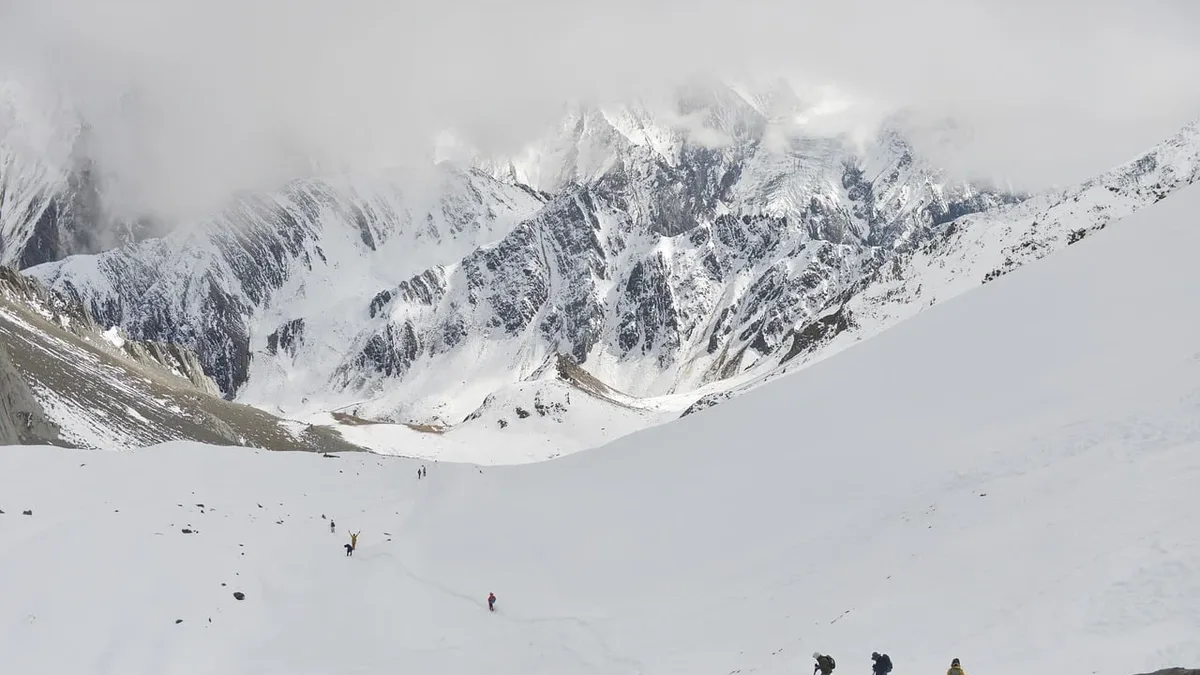
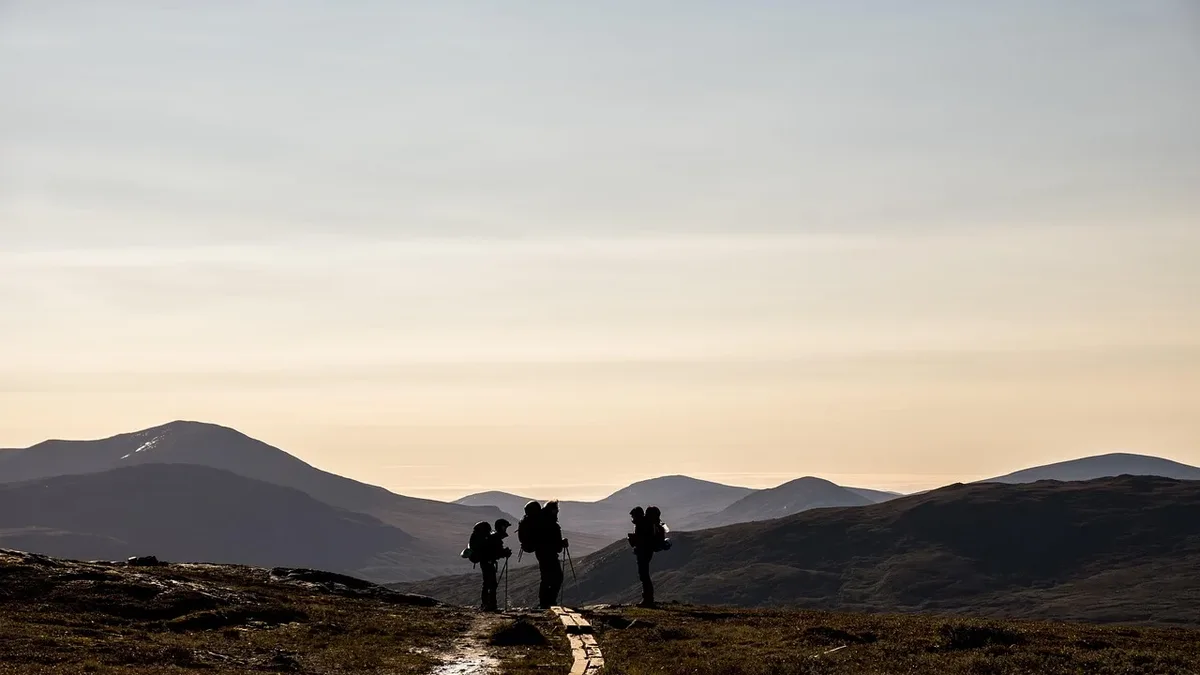
The author argues that thru-hiking is the best way to immerse oneself in a new landscape, requiring at least two weeks to slow down and connect with a place. Their journey on the GR11 through the Pyrenees involved handling confusing trail markings, steep snowfields, and loose scree.
Lakes, Snow, and Gavarnie
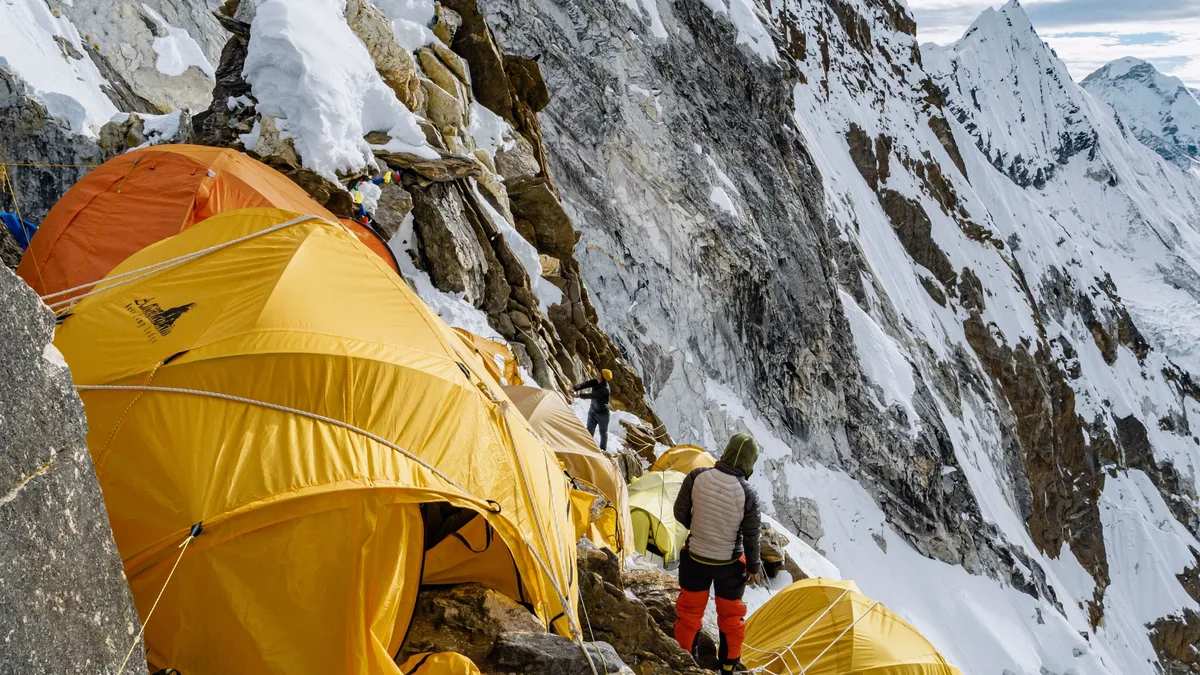
The trek entered the Pyrenees National Park, a highlight characterized by mornings crossing snowfields and afternoons beside glacier-blue lakes. The route included an alternate path over Cuello de Tebarray, described as arguably the most technical pass on the GR11. The climb involved slushy snow, loose scree, and Class 3 and 4 terrain, requiring the use of a chain bolted into rock near the summit.
The descent from the pass was covered in more slippery scree. The hikers were later relieved to encounter afternoon snowfields soft enough for secure footing. A subsequent climb into the cirque at Gavarnie provided one of the hike's most spectacular moments. The team celebrated with ice cream and took their only zero day on the 500-mile journey, which coincided with the U.S. Fourth of July.
The Hidden Pass and Trail Rhythm
Back on trail, a steep climb led to the Hourquette de Héas, a hidden pass. The descent was brutally steep and filled with sketchy scree. After resupplying in Parzán, the hikers joined a large international group of GR11 hikers camping along a river. The author notes they had fully acclimated to the trail's relentless rhythm by this point.
Trail Stink and Homesickness
The physical demands of the hike eventually triggered an episode of homesickness during an early morning climb. The author processed the feeling by listening to country music. They reflected on the magnitude of completing the Pyrenees after already hiking the Hayduke Route earlier in the year, with over a thousand miles still planned across several continents.
Hygiene also became a significant issue. Persistent humidity prevented clothes from drying. The author remarked, "I smell like a hamster cage, a mix between dirt, woods, and living in my own filth." Their hiking partner, Lane, recalled a previous analogy where they smelled like a sweaty, dirty children's play area.
Into the Alpine Lakes
The route continued over a pass around 8,900 feet, passing beautiful alpine lakes before one of the trip's steepest descents into a V-shaped valley. The author slipped twice but felt confident from prior experience on the Hayduke Route. Later, a frantic hiker warned them that there were only boulders ahead and no campsites.
The team pushed on and found a grassy area to sleep within 30 minutes. The author learned a key backcountry lesson: "Don’t let someone else’s fear cramp your style." A following morning offered solitude among the alpine lakes before a technical descent to Lac de Mar. They camped beside another lake inside the national park that night.
The Best Town Day
An early morning climb led to a road walk into Espot, which the author calls their best town day of the entire trail. They visited the market, had lunch in the town center, and checked into an affordable hotel known for its traditional Spanish breakfast.