Supreme Court to Rule on Big Bend Border Wall Construction
The U.S. Supreme Court will decide whether border wall construction can resume in Big Bend National Park, a ruling that could irreversibly damage the fragile desert wilderness and disrupt tourism-dependent local communities.
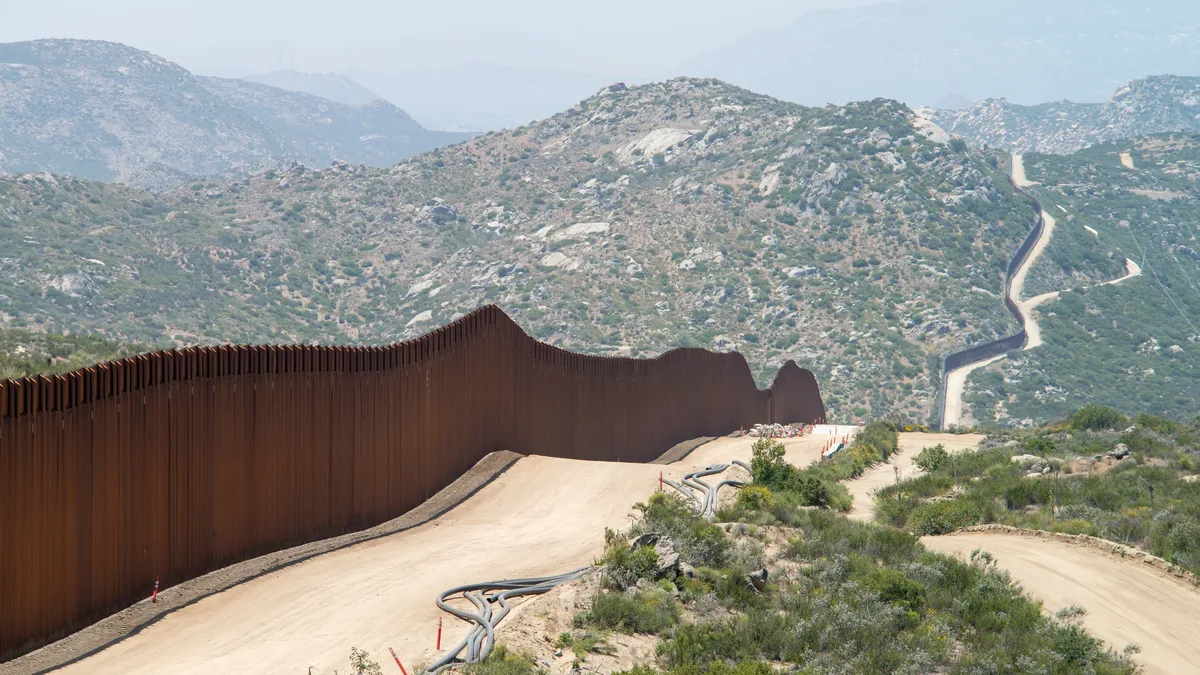
The Supreme Court will rule on whether to allow border wall construction to resume in Big Bend National Park. The Trump administration asked the justices on October 29 to override a federal judge who halted the work on October 2.
Environmental and Tourism Risks
Construction threatens the fragile Chihuahuan Desert ecosystem. It could cause irreversible damage to hydrologic function, vegetation, and soils. Biological soil crusts, which prevent erosion, can take around 100 years to regrow according to a U.S. Forest Service report.
Increased construction traffic has already led to more wildlife deaths along access roads. The project also risks damaging historic sites and threatening river access. Local economies in towns like Terlingua, Presidio, and Marfa, which depend on wilderness tourism, face destruction.
U.S. District Judge Kathleen Cardone noted when halting construction that Big Bend had the lowest apprehension rate per mile of any southern border sector. The Supreme Court's decision could determine whether work resumes across a vast stretch of West Texas wilderness, including Big Bend National Park and Big Bend Ranch State Park.
Construction Logistics and Delays
In late September, a week before the court injunction, U.S. Customs and Border Protection voluntarily paused part of the project. The agency instructed Barnard Construction to execute an orderly demobilization on the Big Bend 3 wall project spanning 56 miles of the Rio Grande. Barnard holds a $960.4 million contract for this work.
The pause was prompted by Barnard seeking more money due to a lack of real estate clearance and road access. CBP specifically ordered a halt to logistics associated with Chispa Road access. Barnard had been in discussions with Jeff Davis and Presidio county officials for months about a road use agreement. Jeff Davis County officials declined to vote on such an agreement on September 14.
Presidio County Commissioner Deirdre Hisler stated that CBP is struggling to get enough landowner agreements to proceed. Hisler said the contractor's request for additional money after receiving a nearly billion-dollar contract raises serious concerns about the project's overall viability.
Legal and Community Opposition
Plaintiffs in the Supreme Court case include the Center for Biological Diversity, Friends of the Ruidosa Church, and a local river guide. Their attorneys argue that CBP's own voluntary pause on construction contradicts the administration's claim that an emergency ruling is necessary for national security.
The Trump administration contends that delaying construction imperils security by leaving a 300-plus-mile gap in border defenses that could attract cartels. Construction plans include roughly 17 miles of smaller vehicle barriers inside Big Bend National Park and 30-foot walls elsewhere in the sector.
Local rafting guide Billy Miller warned that the construction would transform a wilderness tour into a tour of the military-industrial complex. The Supreme Court's decision on whether to allow construction to resume in Big Bend National Park is now pending.