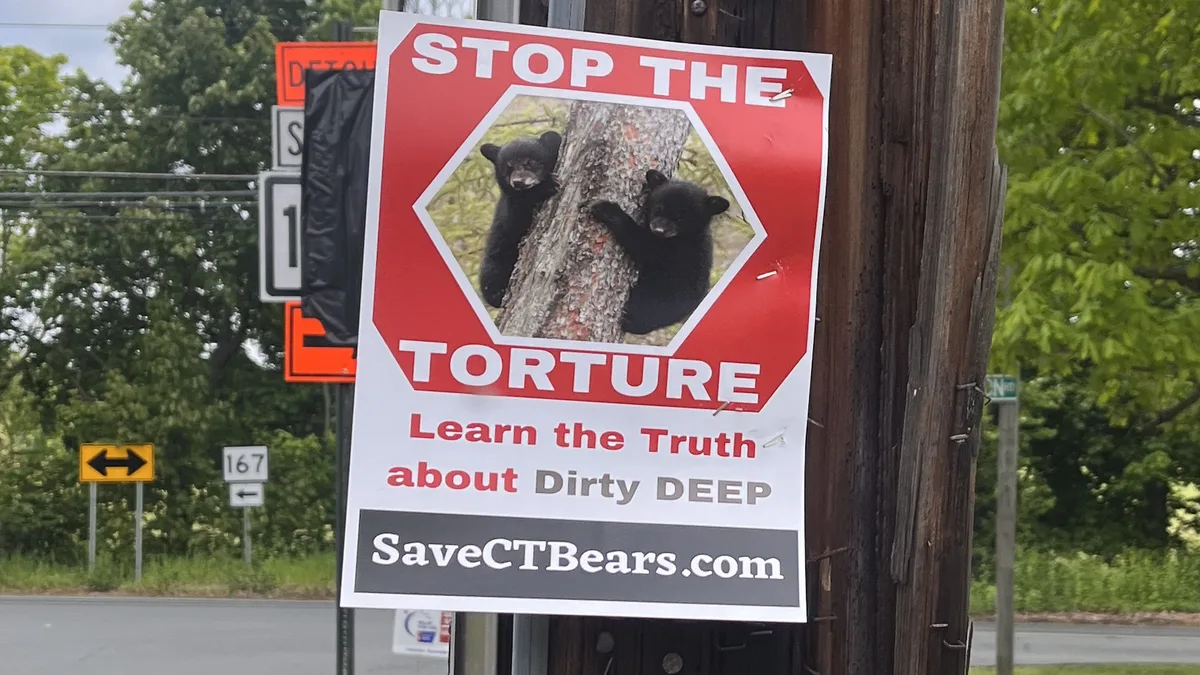
Bear Protection
Origin and history
Bear protection as a dedicated category of outdoor gear originates from North America, specifically the forested and mountainous regions of the United States and Canada. Its development accelerated in the latter half of the 20th century, coinciding with increased human recreation in wilderness areas with high-density bear populations. Early methods were often improvised and based on anecdotal evidence, such as carrying bells or relying on firearms. The systematic engineering of bear spray, a key component, began in the 1980s, evolving from earlier tear gas formulations used by law enforcement. Parallel development focused on physical barriers, with bear-resistant food containers becoming a mandated piece of equipment in many parks by the 1990s. This evolution was driven by a growing understanding of bear behavior and the need for non-lethal deterrents that could prevent harmful encounters for both humans and bears.
What it is for
Bear protection gear is designed to prevent dangerous encounters with bears and to provide a means of defense if prevention fails. Its primary purpose is to allow humans to safely travel, camp, and store food in bear habitat without attracting or provoking wildlife. Bear-resistant food canisters and hanging systems aim to eliminate food odors and physical access, thereby removing the primary attractant that leads to bear habituation. Deterrents like bear spray are intended as a last-resort defensive tool to stop an aggressive or charging bear by creating a temporary barrier of irritant chemicals. This gear also serves to protect the bears themselves, as habituated animals that obtain human food often become problem animals and may be euthanized. Ultimately, the correct use of this gear is a critical component of responsible backcountry travel in designated bear country.
Pros and cons
A significant pro of modern bear protection is the proven efficacy of tools like EPA-approved bear spray, which studies show is highly effective at stopping bear attacks when deployed correctly. Bear-resistant containers provide a reliable, weatherproof method for securing food and scented items, far surpassing older techniques like tree hangs in many environments. The cons include the substantial weight and bulk of certified bear canisters, which can be a significant burden on long-distance hikes and may lead some to consider non-compliant alternatives. Bear spray carries the risk of user error, such as accidental discharge, forgetting to remove the safety tab, or failing to account for wind direction, rendering it useless. A common mistake is placing excessive confidence in one element, like carrying spray but being lax with food storage, which is the root cause of most negative encounters. Individuals often regret choosing bear protection gear that is too small for their group's food supply or opting for unapproved "odor-proof" bags that bears easily compromise.
Who it suits
This gear suits anyone obtaining a permit for travel in designated bear country, such as the backcountry of parks like Yellowstone, Glacier, or the Boundary Waters Canoe Area Wilderness. It is mandatory for backpackers, hunters, and anglers accessing routes where regulations explicitly require bear-resistant food storage methods. It particularly suits solo travelers or small groups who cannot maintain a constant lookout and need reliable, passive protection for their camp. The gear also suits individuals with a disciplined approach to backcountry routines, as its effectiveness depends entirely on consistent and correct use. It is less suited for those unwilling to carry the extra weight or for trips in areas where bear activity is historically negligible and regulations do not mandate it. Ultimately, it suits the ethical outdoorsperson who prioritizes both personal safety and the conservation of wildlife by minimizing human-bear conflicts.
Latest Bear Protection news
Latest reporting
Colorado Bear Euthanized After Ingesting Trash Bags
A black bear in Durango was euthanized by Colorado Parks and Wildlife after its intestines were blocked by trash, highlighting a record year for bear
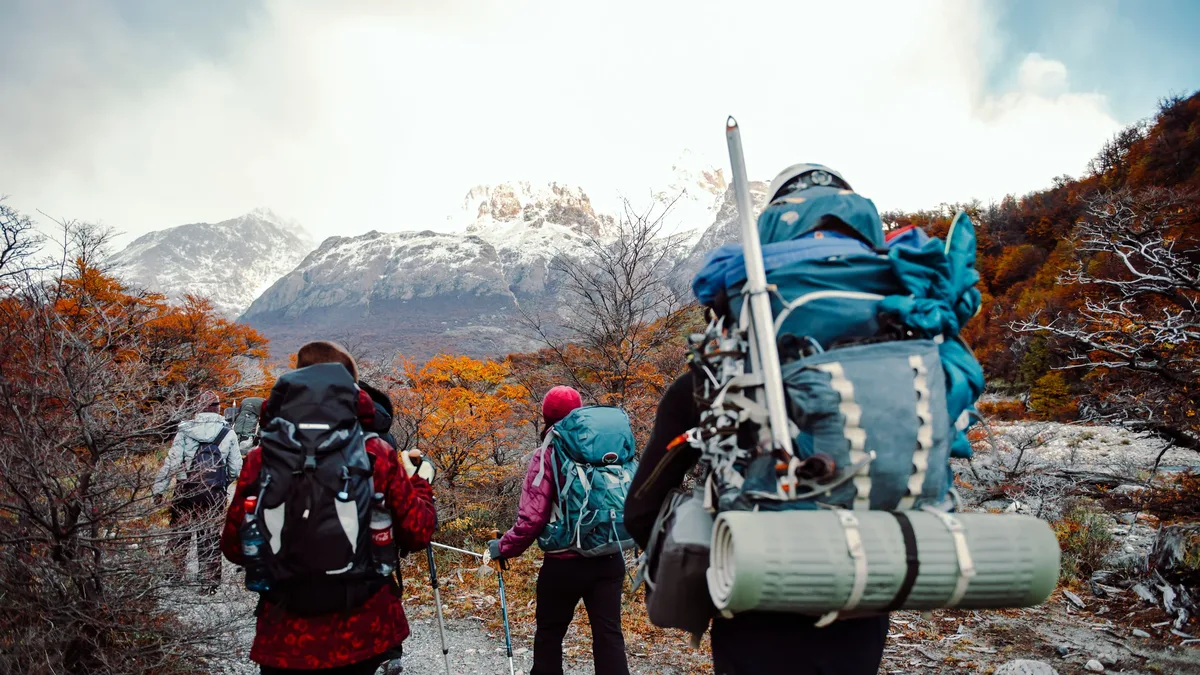
Editors' Top Picks for Late Summer Hikes
Backpacker magazine's editors highlight four new pieces of gear for hikers, including a trail trash system, a modular bear canister, a water filter...
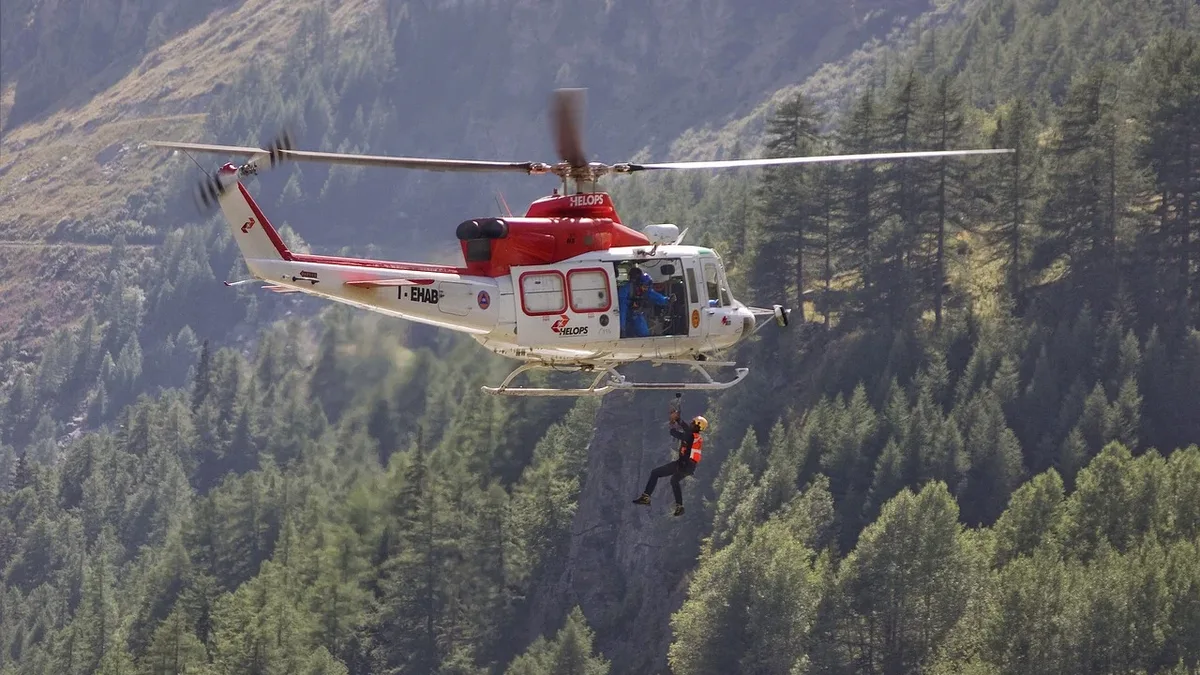
Appalachian Trail hiker rescued after Bear
A 29-year-old hiker fell from an overlook on the Appalachian Trail in Pennsylvania on Saturday and was rescued the next morning after calling 911.
Hiking Umbrellas: Trail Test Verdict
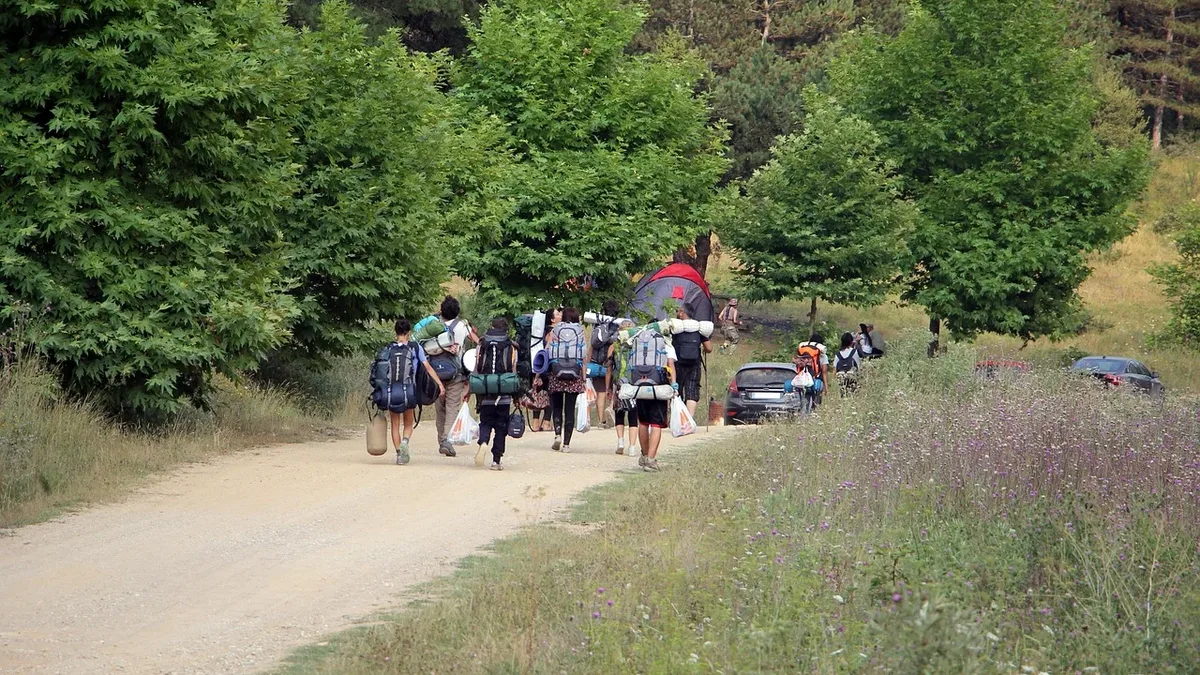
Backpacker magazine tested ultralight hiking umbrellas, finding they offer versatile sun and rain protection, especially in shadeless environments...
Day 9: Alkali Creek Trailhead to Bear Butte
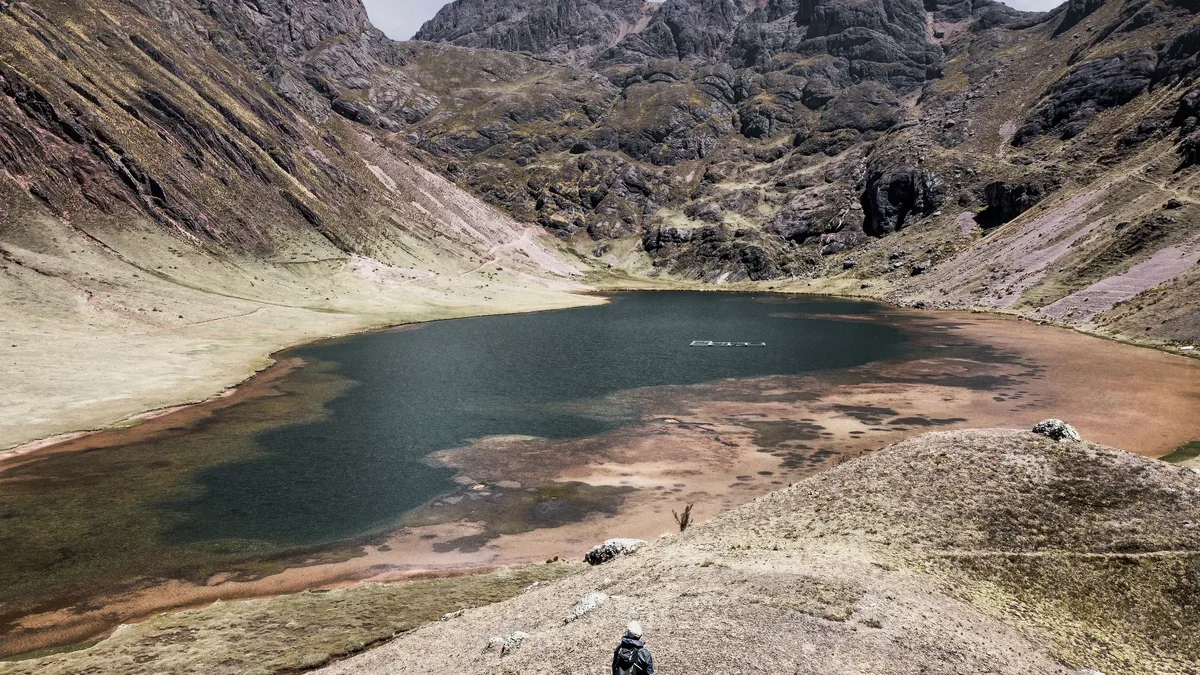
Hikers face unexpected challenges on the final day of their adventure.
JMT: Days 13-16
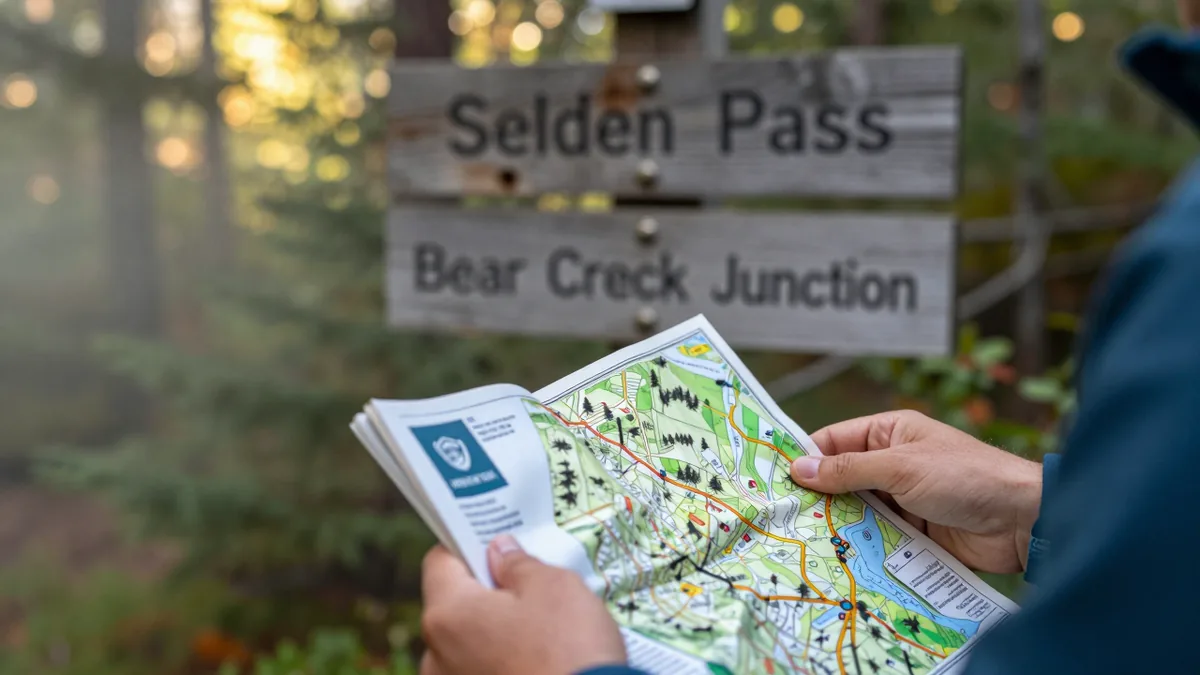
The author continues their journey on the John Muir Trail, covering days 13-16 from Evolution Lake to Vermillion Valley Resort. The route takes them...