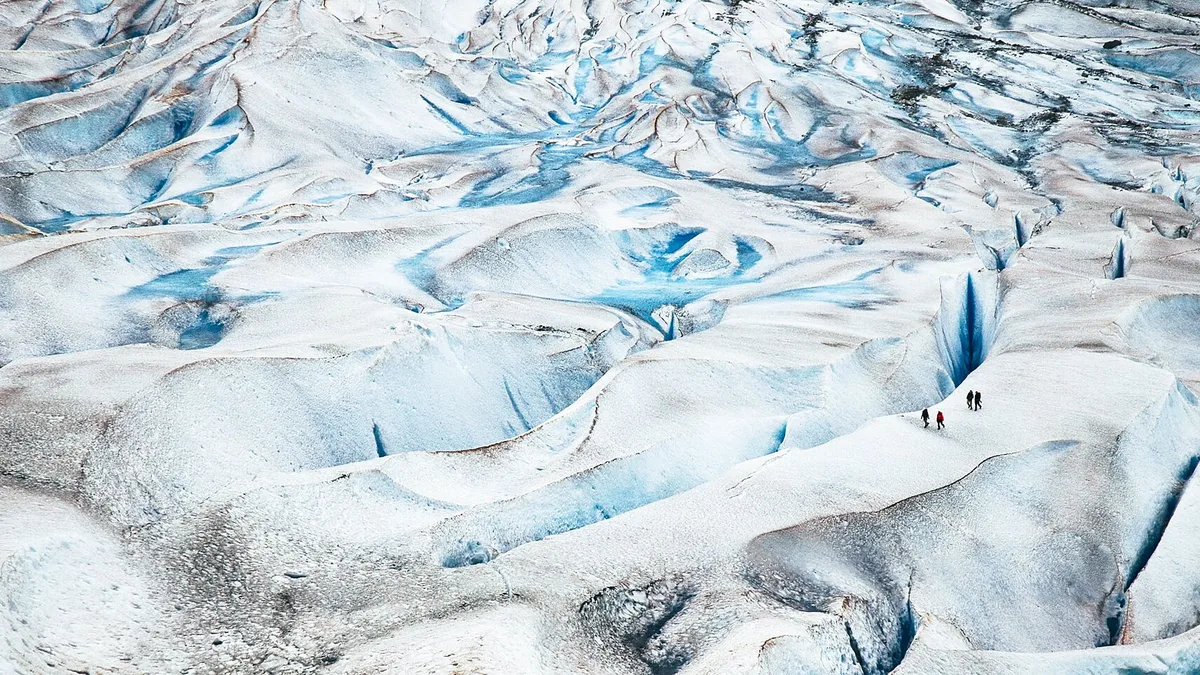
Alpine And Glacier Travel
| Route name | Alpine And Glacier Travel |
|---|---|
| Permit required | Yes |
| Skill level | Advanced |
| Terrain type | Alpine and glacial |
| Typical season | Summer to early autumn |
| Objective | High-altitude summit or traverse |
| Key hazards | Crevasses, rockfall, weather |
| Essential gear | Rope, harness, ice axe, crampons |
Origin and history
Alpine and glacier travel originates from the mountainous regions of central Europe, particularly the Alps, where it developed as a necessary practice for exploration, hunting, and trade. Its formalization as a recreational and scientific discipline began in the 18th and 19th centuries during the Golden Age of Alpinism. Early practitioners were local guides and pioneering climbers who developed the initial techniques for navigating complex glacial terrain. The need to cross glaciers to access high peaks necessitated the creation of specific equipment and safety protocols. This body of knowledge was systematically documented and taught by alpine clubs, which formed across Europe in the mid-19th century. The techniques have since evolved into a standardized global skill set essential for mountaineering in any glaciated range, from the Himalayas to the Andes.
What it is for
Alpine and glacier travel is a set of technical skills and practices for safely moving across glaciated mountain terrain. Its primary purpose is to enable passage over glaciers, which are dynamic landscapes featuring crevasses, icefalls, and moraines. The core techniques allow climbers to access high-altitude routes, alpine climbs, and remote peaks that are otherwise unreachable. It is fundamentally a risk-management discipline, providing the methodology to identify and mitigate hazards like hidden crevasses or unstable seracs. The practice is also essential for scientific research, allowing glaciologists and other researchers to work directly on ice fields. Furthermore, it serves as the foundational skill set for more advanced alpine climbing, where efficient and safe glacier transit is a prerequisite for any summit attempt.
Pros and cons
A primary advantage of proficient alpine and glacier travel is the access it grants to some of the world's most spectacular and remote wilderness areas. The skills instill a high degree of self-reliance and the ability to make critical safety decisions in a hazardous environment. Mastery of these techniques significantly reduces objective danger for a climbing team, particularly through crevasse rescue preparedness. The main con is the substantial and continuous risk involved; even with expert execution, the terrain is inherently unstable and subject to sudden changes in weather or snow conditions. A common mistake is underestimating the physical and mental endurance required, leading to fatigue-induced errors late in the day. Individuals often regret choosing this path when they lack adequate mentorship, leading to dangerous gaps in knowledge about route-finding, rope team management, or crevasse rescue. The commitment required in terms of time, cost for equipment and guides, and ongoing practice is another significant drawback for casual enthusiasts.
Who it suits
This discipline suits individuals who are committed to mountaineering as a serious long-term pursuit and who possess a methodical, risk-averse mindset. It is appropriate for those who derive satisfaction from problem-solving in a demanding physical environment and who accept that progress is often slow and deliberate. Aspiring alpinists who aim to climb major glaciated peaks must become proficient in these skills as a non-negotiable foundation. It also suits organized groups, such as climbing clubs or guided parties, where protocols and teamwork are paramount. The practice is ill-suited for those seeking spontaneous adventure without formal training, or for individuals uncomfortable with prolonged exposure to objective hazards that cannot be entirely eliminated. It demands a person who is willing to invest in continual learning and practice, far beyond an introductory course.
Latest Alpine And Glacier Travel news
Latest reporting
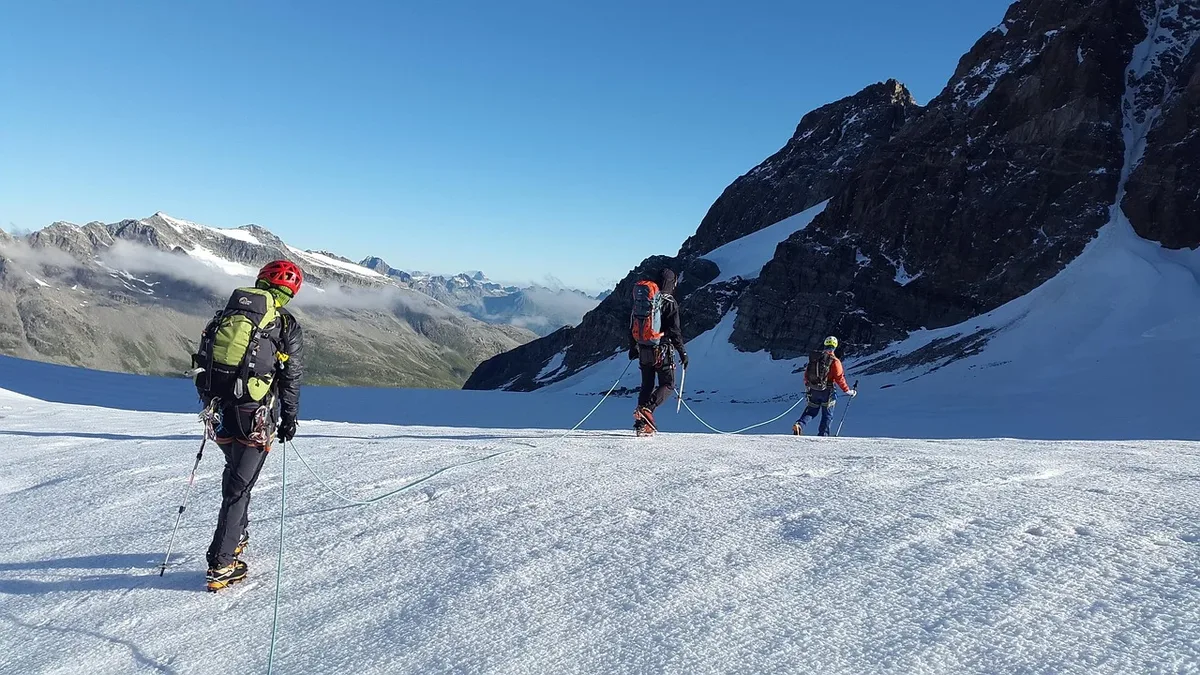
Russian Team Seeks Funding for New Everest Route
An all-Russian team, led by Andrey Vasiliev, is seeking funding to pioneer a new alpine-style route on Everest without oxygen or support next spring.
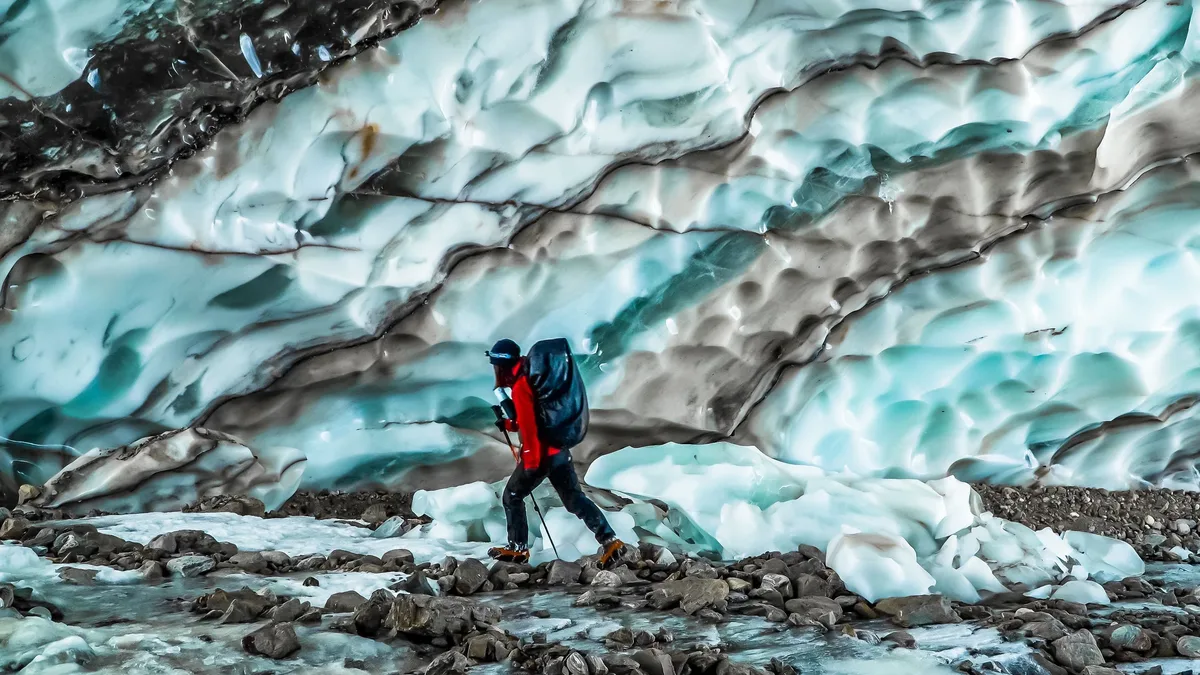
PCT Hiker Encounters Aggressive Mice, Glaciers in Washington
A Pacific Crest Trail hiker's journey through southern Washington featured aggressive wildlife, a glacier slide, and trail closures due to wildfires
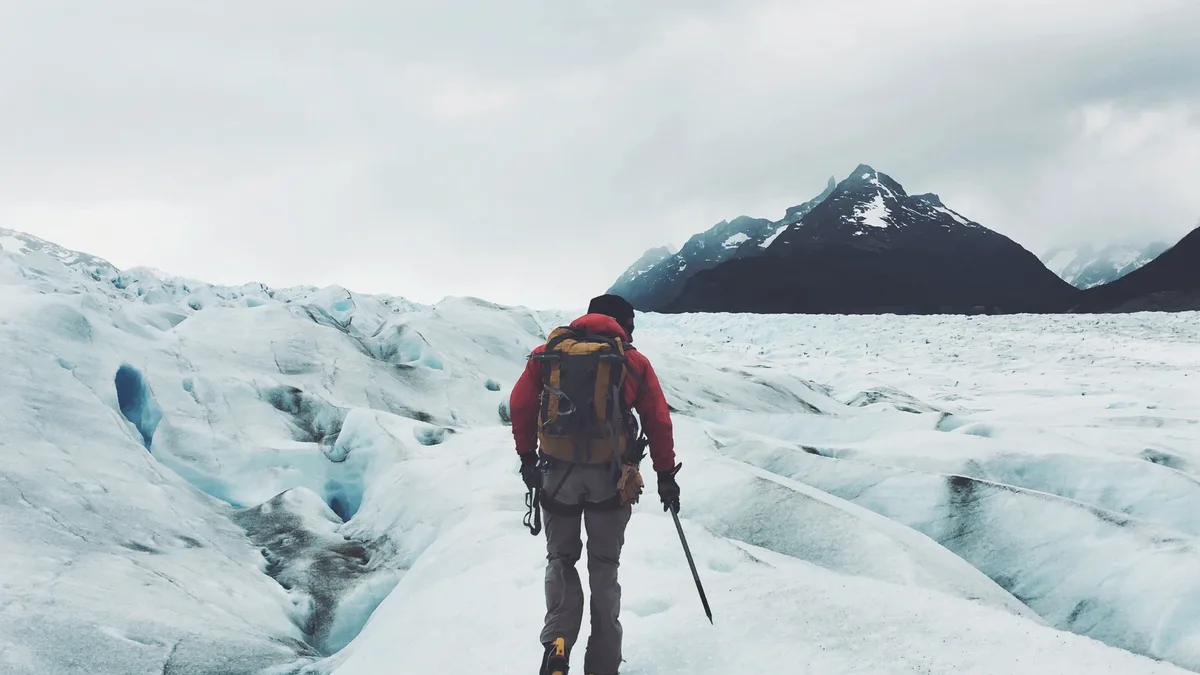
Hiker Battles Glacier Park's Rain and Wind
A Continental Divide Trail hiker endures relentless rain, hail, and fierce winds while crossing a high pass in Glacier National Park, facing severe...
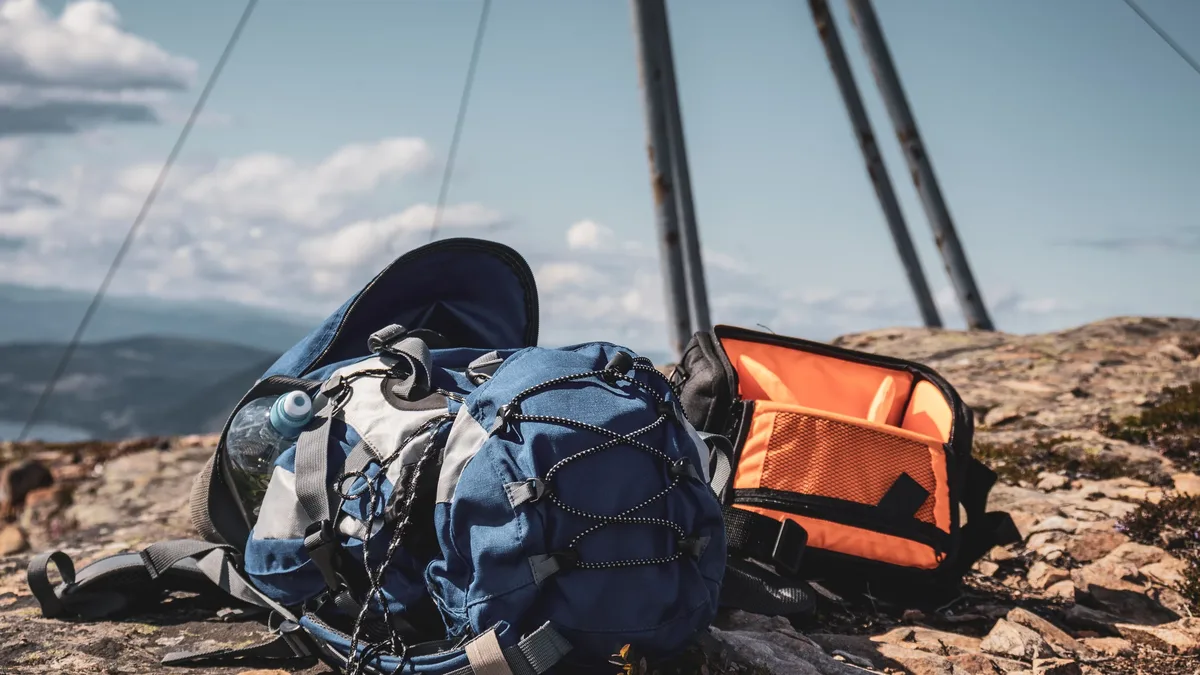
1963 Backpack Found on Melting Austrian
A German climber's backpack lost in 1963 was found on a melting Austrian glacier, showing how retreating ice reveals old mountaineering artifacts.
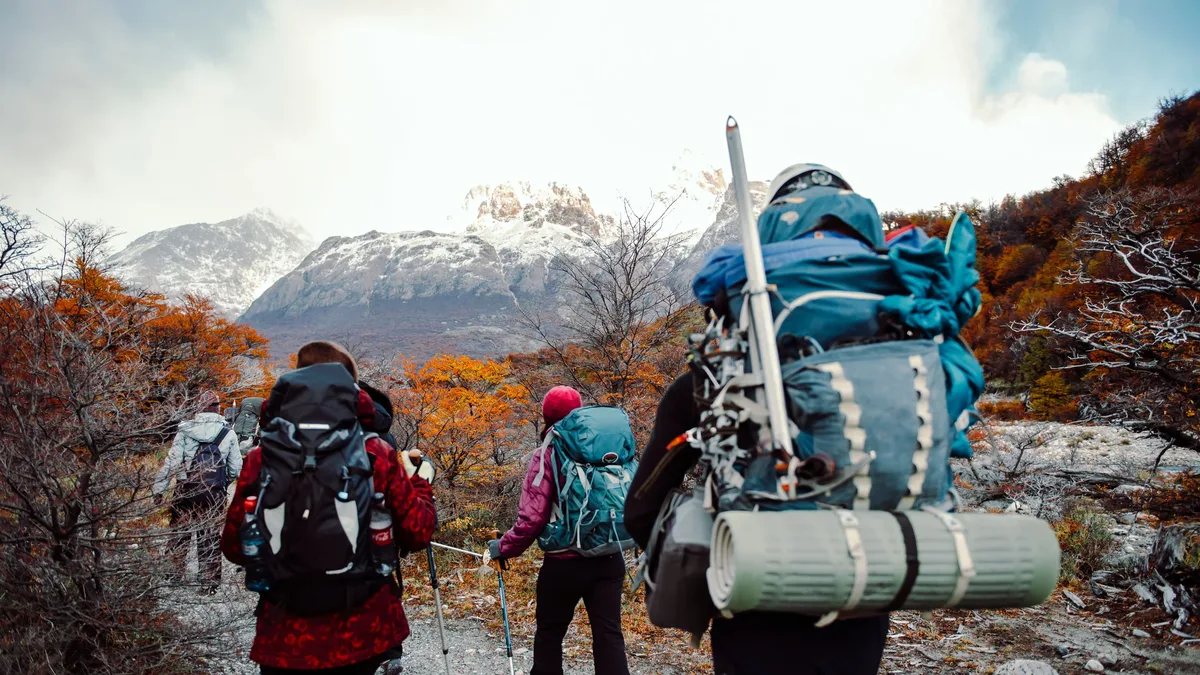
Long Trail Hikers Face Pre-Hike Travel Chaos
Hikers heading to Vermont's 273-mile Long Trail face travel mishaps like forgotten knives, lost boots, and major flight delays before reaching the...
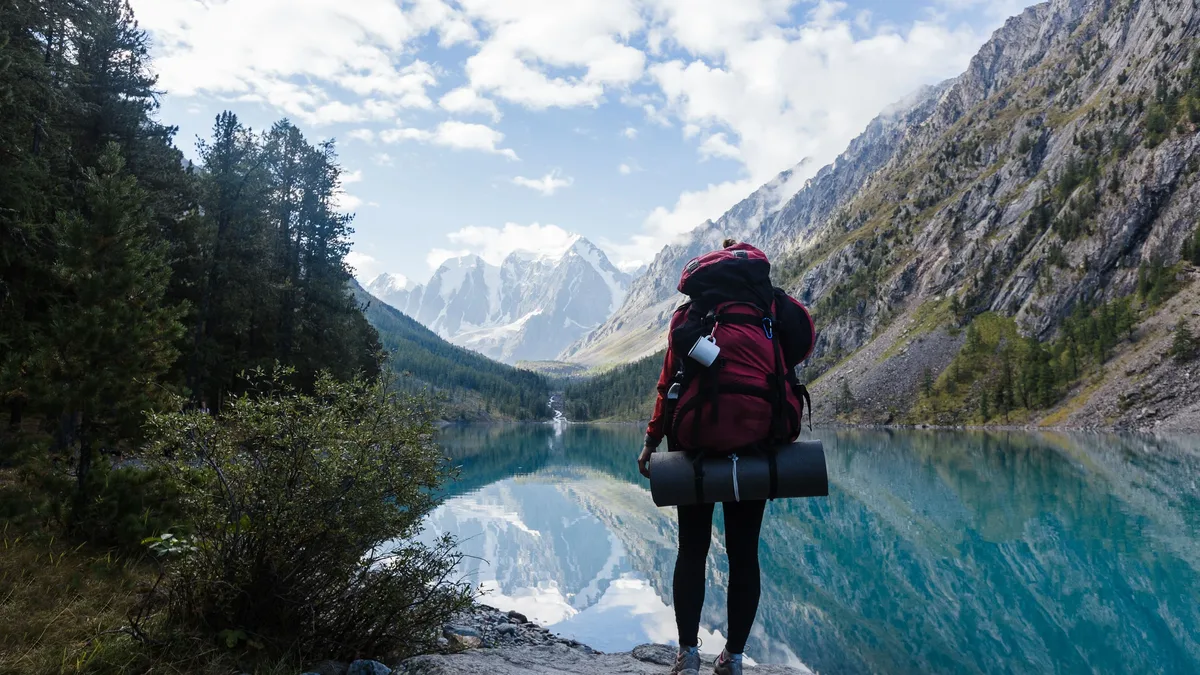
Conquering Colorado Trail's Collegiate West: Hope Pass, Lake Ann, and Cottonwood Passes
A thru-hiker tackles the challenging Collegiate West section of the Colorado Trail, navigating steep ascents, stunning alpine scenery, and unexpected...