Avalanche Terrain Avoidance
| Skill name | Avalanche Terrain Avoidance |
|---|---|
| Original use | To enable safe backcountry travel in mountainous snow climates |
| Key principle | Identifying and avoiding terrain capable of producing avalanches |
| Primary tool | The Avalanche Terrain Exposure Scale |
| Critical factor | Slope angle |
| Common mitigation | Route selection and terrain traps |
| Essential companion skill | Avalanche hazard assessment |
Origin and history
Avalanche Terrain Avoidance is a foundational safety protocol developed in the European Alps, with significant formalization occurring in the mid-20th century. Its principles evolved from centuries of empirical observation by mountain dwellers and guides who learned to read the landscape for inherent dangers. The catastrophic winter of 1950-1951 in the Alps, which triggered numerous large-scale avalanches across the region, served as a major catalyst for more systematic study. This period saw the beginning of organized avalanche education, moving knowledge from local, anecdotal wisdom to a teachable system. The methodology was further refined and propagated through North American mountaineering and ski guiding communities in the latter half of the 20th century. It is now a cornerstone of modern avalanche safety curricula worldwide, forming the essential first layer of a multi-faceted risk management strategy.
What it is for
Avalanche Terrain Avoidance is a strategic planning skill used to minimize exposure to avalanche hazard by selecting a safe route through mountainous terrain. Its primary function is to enable a party to recognize and entirely bypass avalanche-prone slopes, thereby eliminating the risk of triggering a slide or being caught in one. This skill is applied during the trip planning phase, using maps, photographs, and guidebooks to identify potential terrain traps, slope angles, and avalanche paths. It is also continuously employed during travel, requiring constant visual assessment to confirm or adjust the pre-planned route based on real-time snow and terrain observations. The practice is distinct from, and precedes, the use of tactical tools like snowpack analysis or rescue gear, as it seeks to avoid the problem altogether. It serves as the critical first decision in the avalanche risk management sequence, often determining the fundamental safety margin for an entire tour.
Pros and cons
The primary pro of Avalanche Terrain Avoidance is that it provides the most reliable form of risk management by completely removing the traveler from the zone of avalanche danger. This strategic approach conserves energy and mental focus that would otherwise be spent on complex snowpack tests or stressful travel through hazardous terrain. It is universally applicable, requiring no specialized equipment and being effective regardless of snowpack instability or forecast rating. A significant con is that strict adherence to avoidance can severely limit route options, potentially ruling out desirable lines or objectives and leading to frustration or peer pressure to compromise. A common mistake is the failure to correctly identify terrain features, such as underestimating slope angles or overlooking terrain traps like gullies and depressions that can magnify consequences. Practitioners sometimes regret relying solely on this skill when they encounter unexpected or complex terrain where simple avoidance is impossible, forcing them to employ less-practiced tactical skills under pressure.
Who it suits
This skill suits conservative recreationalists, such as hikers, snowshoers, and novice ski tourers, whose primary goal is safe passage through the winter mountains rather than riding steep slopes. It is essential for large groups or parties with mixed abilities, where managing complex rescue scenarios would be particularly challenging. Professional mountain guides rely heavily on terrain avoidance as a foundational principle to ensure client safety and manage group liability across diverse conditions. It is a critical competency for anyone traveling in avalanche terrain without formal rescue training or equipment, as it is their only viable risk mitigation strategy. The methodology is particularly well-suited for travel in familiar or well-documented areas where terrain features can be thoroughly studied in advance. It also suits educators and mentors who aim to instill a precautionary mindset in students before introducing more advanced avalanche forecasting and rescue techniques.
Latest Avalanche Terrain Avoidance news
Latest reporting
Himlung Himal Base Camp Avalanche Leaves 14 Missing
An avalanche triggered by heavy snowfall buried Himlung Himal Base Camp on September 27, 2026, leaving 14 Nepalese expedition staff missing and two...
Two Climbers Die in Manaslu Avalanche; Summit Push Underway
An avalanche on Manaslu killed two climbers as hundreds vie for the summit ahead of an approaching cyclone. Experts warn of dangerous conditions...
Hikers Transition from Arid West to Vermont's Green
A hiker's journal details a five-day segment on the Appalachian and Long Trails, moving from Massachusetts into Vermont, encountering changing...
PCT Hiker Logs 30-Mile Day on Flat Oregon Terrain
A Pacific Crest Trail hiker describes a fast, 30-mile day in Oregon with minimal elevation gain, detailing encounters with wildlife, scenic views of...
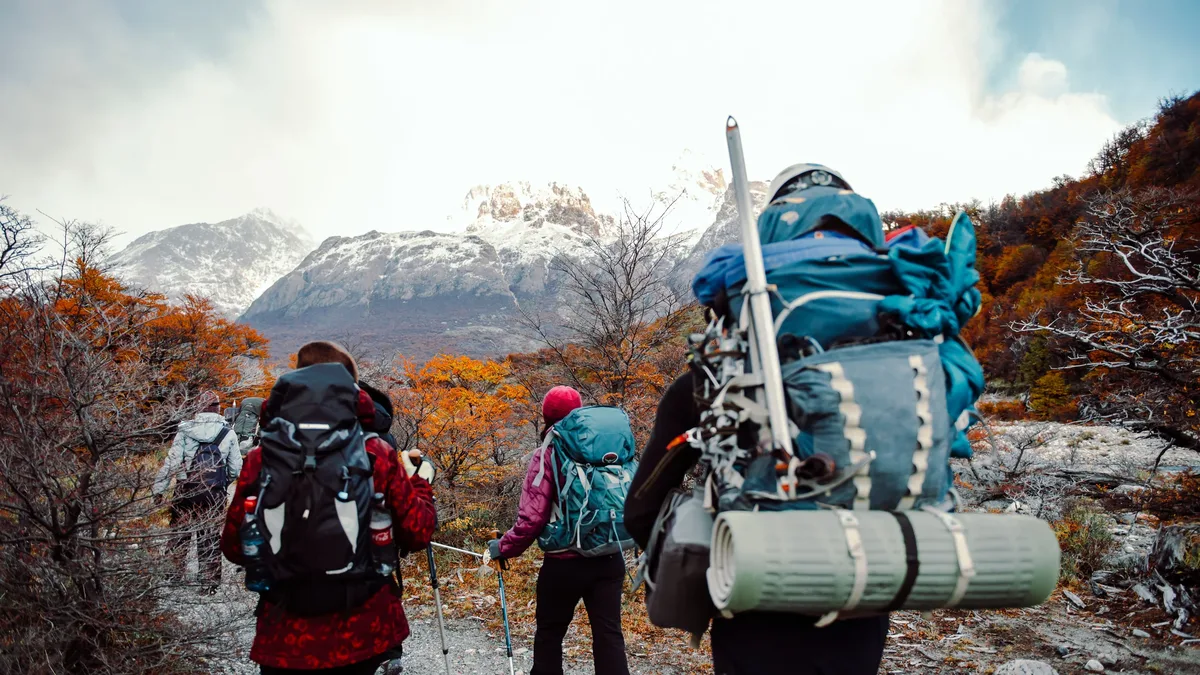
Russian Dust Challenges Thru Hikers on Pacific Crest Trail
A hiker's journal details Days 56-60 of a Pacific Crest Trail thru-hike, covering resupply in Etna, California, dusty conditions, and the demanding...
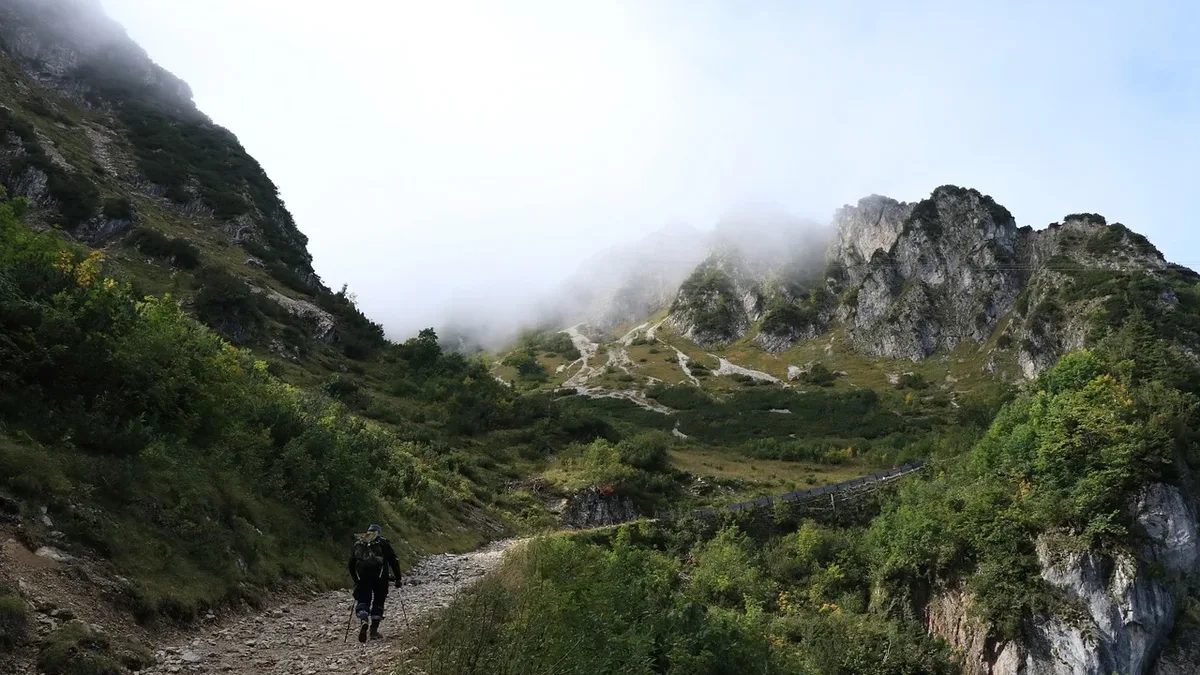
Obsidian Terrain and Lava Rock Challenge PCT Hikers
A Pacific Crest Trail hiker describes a memorable day crossing the Obsidian area, navigating a treacherous mile of lava rock, and hitching a ride...