Accessibility And Adaptive Access To Backcountry
| Permit name | Accessibility And Adaptive Access To Backcountry |
|---|---|
| Permit type | Adaptive access backcountry permit |
| Governing agency | U.S. National Park Service |
| Required skill level | Advanced backcountry travel |
| Permit purpose | To enable access for adaptive equipment and support personnel |
| Access method | Application and review process |
Origin and history
The concept of Accessibility and Adaptive Access to Backcountry originates from North America, with its principles gaining formal recognition in the late 20th century. Its development is closely tied to the broader disability rights movement, which achieved significant legislative milestones in the 1990s. The philosophy emerged from a growing recognition that traditional backcountry experiences were systematically exclusionary to people with physical, sensory, or cognitive disabilities. Early advocacy was often led by adaptive sports organizations and disabled veterans' groups seeking meaningful outdoor recreation. The framework was not created by a single entity but evolved through collaboration between accessibility experts, land managers, and disabled outdoors enthusiasts. This historical context is rooted in a shift from viewing nature as a place of rugged, unaided conquest to one of inclusive experience.
What it is for
This permit framework is specifically for managing human-powered travel into remote, natural areas where traditional infrastructure is absent. Its primary function is to grant legal passage while implementing systems that enable visitors with disabilities to plan and execute a trip with necessary supports. It governs the use of adaptive equipment, such as trail-friendly wheelchairs, sledges, or specialized communication devices, in fragile ecosystems. The permit process establishes protocols for group size, including support personnel like guides or aides, to ensure safety without causing undue environmental impact. It serves to educate all users on low-impact practices that are achievable with adaptive techniques, preserving the wilderness character. Ultimately, it is a tool for land agencies to balance preservation mandates with legal obligations for equitable access under laws like the Americans with Disabilities Act.
Pros and cons
A significant pro is that it legally validates the right to wilderness experience for a historically excluded group, fulfilling ethical and legal obligations for public land managers. It often leads to improved trail assessments and more thoughtful design of future facilities, benefiting a wider range of users with temporary injuries or age-related limitations. A major con is that the permitting process can be complex and require extensive advance documentation of need, which can itself be a barrier to spontaneous engagement with nature. Land managers frequently regret a common mistake: implementing the permit without adequate staff training, leading to uncomfortable interactions and inconsistent enforcement that frustrates all parties. The framework can sometimes create conflict between preservation purists and accessibility advocates, with each side regretting perceived compromises to their core values. Furthermore, the necessity for sometimes bulky adaptive equipment, even when permitted, raises genuine concerns about soil compaction, vegetation damage, and wildlife disturbance beyond that of standard foot traffic.
Who it suits
This permit framework suits individuals with permanent or temporary disabilities who possess the requisite outdoor skills and seek to apply them using adaptive methods. It is designed for those who have experience with their adaptive equipment in controlled settings and are prepared to troubleshoot mechanical issues in remote locations. The permit also suits organized groups, such as non-profit adaptive adventure programs, that provide trained support staff and structured expeditions for disabled participants. It is appropriate for land management agencies that are committed to moving beyond mere legal compliance to actively fostering inclusive stewardship. It does not suit individuals seeking a fully facilitated, resort-like experience, as the backcountry setting inherently retains physical demands and risks. Finally, it suits able-bodied companions who understand their role is one of support, not direction, ensuring the disabled individual remains the primary agent of their own journey.
Latest Accessibility And Adaptive Access To Backcountry news
Latest reporting

PCTA Crest Runners Conclude 2026 Season
Pacific Crest Trail Association Crest Runners have ended their 2026 season, which involved patrolling the backcountry, educating hikers on Leave No...
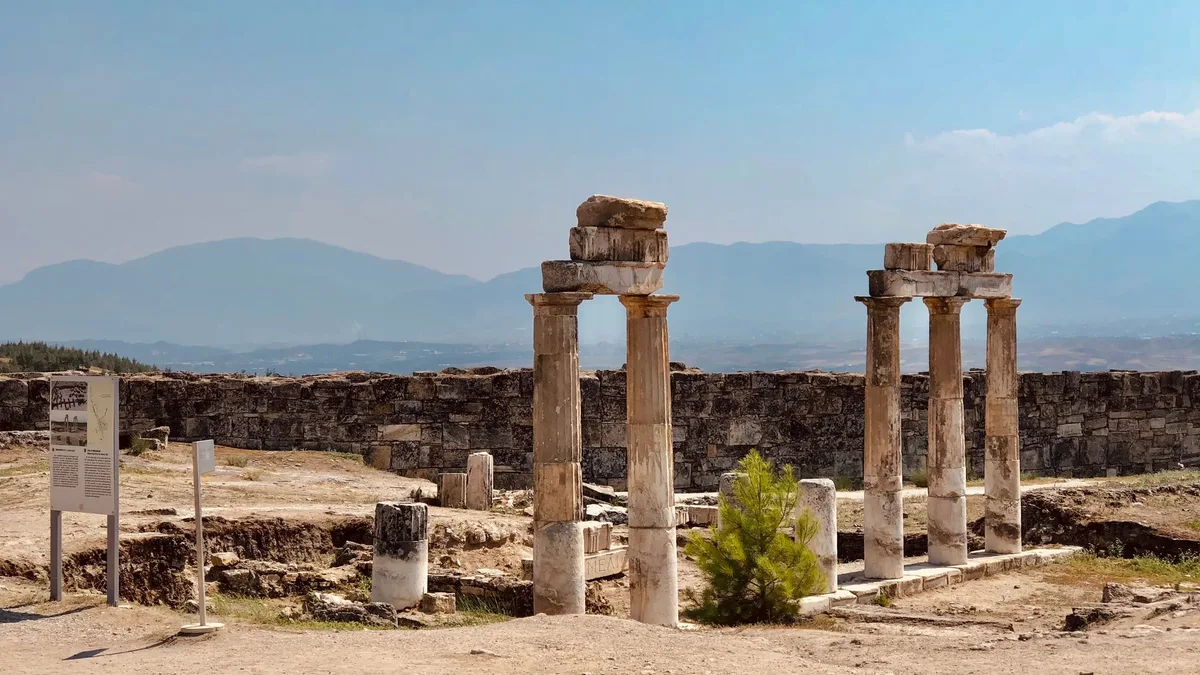
Six Backcountry Trails Lead to Ancient Ruins and Rock Art
A guide details six remote hiking trails in the American West that lead to significant archaeological sites, including Ancestral Puebloan ruins and...
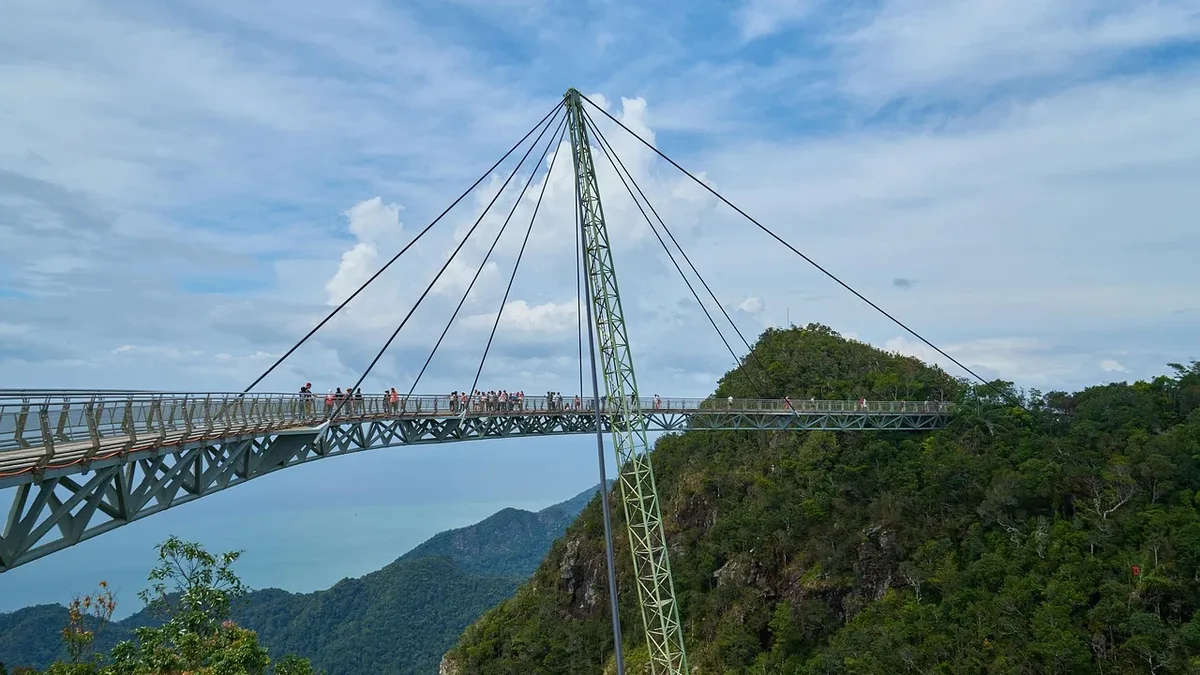
Fairfax Bridge Closure Blocks Access to Mount Rainier Routes
The indefinite closure of the Fairfax Bridge has cut off access to Tolmie Peak, the Carbon River area, and key Mountaineers teaching sites in Mount...

Access Fund Reopens Monument Lawsuit
Access Fund reopened its lawsuit against the Trump administration after a new proclamation removed over 80% of the Indian Creek climbing area from...

Amtrak Empire Builder Route for Thru-Hiking
Amtrak's Empire Builder train route between Chicago and Seattle offers hikers access to trails across seven states, with round-trip fares averaging...

Ancient Lakes Camping Closure Proposal Sparks Concerns Among Outdoor Enthusiasts
The Washington Department of Fish and Wildlife (WDFW) has proposed a ban on backcountry camping in the Ancient Lakes area, sparking concerns among...