Six Backcountry Trails Lead to Ancient Ruins and Rock Art
A guide details six remote hiking trails in the American West that lead to significant archaeological sites, including Ancestral Puebloan ruins and rock
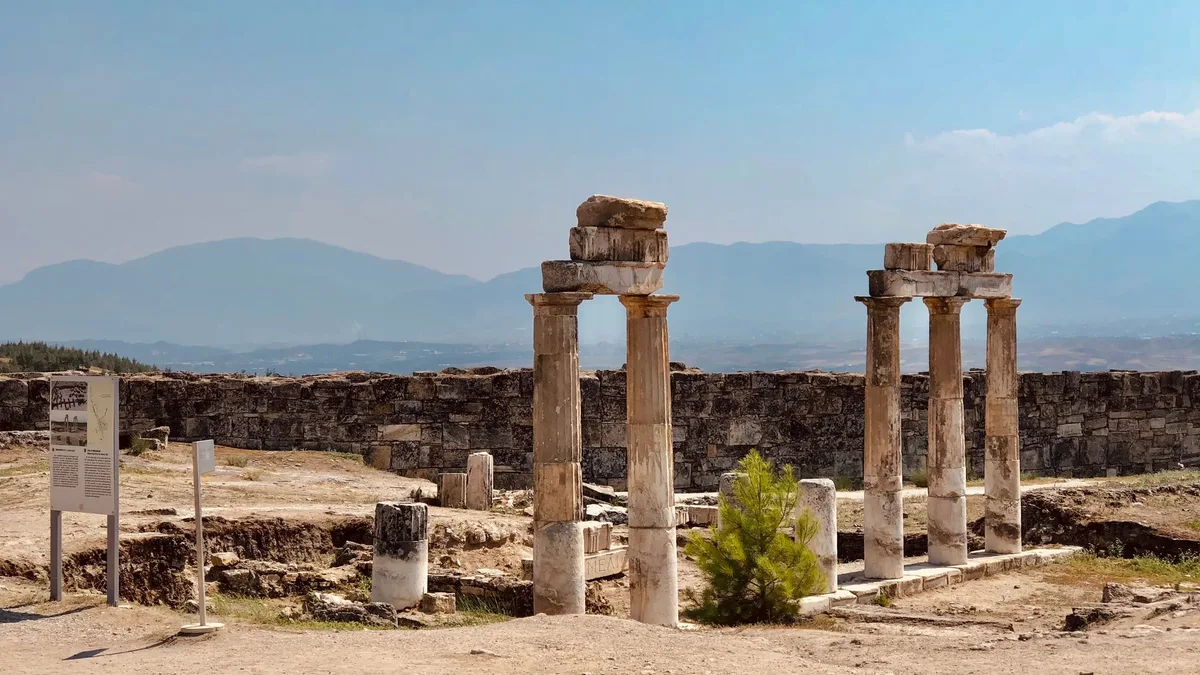
A new guide highlights six backcountry trails in the American West that lead hikers to ancient ruins and sacred rock art. The list, compiled for Backpacker, focuses on secluded sites away from crowded national parks.
Well-known destinations like Mesa Verde can get busy. The author seeks quieter, more meditative journeys into the past. These trails require more effort to reach, taking visitors deep into protected wilderness areas.
Respect for these cultural sites is most important. A ranger from Bears Ears National Monument told Backpacker that rock art and dwellings remain sacred to Native communities. Visitors should treat them with the reverence accorded to churches or temples. Touching structures or removing artifacts causes severe damage. Hikers must follow local rules, stay on trails, and practice Leave No Trace principles.
Salt Creek Canyon Trail
Located in Canyonlands National Park, Salt Creek Canyon offers a thru-hiking route packed with history. Hikers will find numerous Ancestral Puebloan granaries, a large cliff dwelling, and well-preserved petroglyphs like "America Man." Ancient pottery shards are scattered on the ground. Water sources are unreliable, making early spring the preferred season. Numerous side trails lead to natural arches and additional ruins.
| Attribute | Detail |
|---|---|
| Trail Length | 22.5 miles (one way) |
| Permit Required | Yes, for camping |
| Dogs Allowed | No |
| Fee | $35 park entrance fee |
House on Fire and Moon House Ruins
These two sites are located near each other within Bears Ears National Monument. The House on Fire Ruin is an iconic structure built into a sandstone alcove. The rock formation above it resembles flames. The hike to the ruin itself is short, but it can be extended along Mule Creek. This is one of over 100,000 known archaeological sites in the monument.
Nearby, the Moon House Ruins feature a room painted with a moon phase calendar. The trail involves some scrambling and uses rope handlines. A distant view of the ruins is available on the approach. Visitation is capped at 20 people per day.
| Trail Name | Length | Permit Required | Dogs Allowed |
|---|---|---|---|
| House on Fire | 2.1 to 6.4 miles out-and-back | Yes, with fees | Yes |
| Moon House Ruins | 4.5 miles out-and-back | Yes, with fees | No |
Canyons of the Ancients and Hovenweep
In southern Colorado, the Sand Canyon Loop traverses the Canyons of the Ancients National Monument. The 11.8-mile circuit passes sandstone caves and offers views of several mountains. Unmarked Puebloan ruins dot the landscape, requiring a keen eye to spot. Dispersed camping is allowed, with an emphasis on using existing sites.
The Hovenweep Trail is a 12.4-mile out-and-back route starting in Utah and crossing into Colorado. It passes notable ruins like "Twin Towers" and offers sweeping monument views. The area is also known for rare reptile studies. Hovenweep National Monument does not allow dispersed camping but has a 31-site campground near the trailhead.
| Trail Name | Length | Permit Required | Dogs Allowed | Fee |
|---|---|---|---|---|
| Sand Canyon Loop | 11.8-mile loop | No | Yes | None |
| Hovenweep Trail | 12.4 miles out-and-back | No | Yes | $20 entrance fee |
Keet Seel Guided Hike
The Keet Seel hike in Arizona is unique for requiring a guided tour. It leads to the largest Ancestral Puebloan structure in the state. The National Park Service offers seasonal guided overnight trips in spring and fall. The 17.2-mile out-and-back route is considered very strenuous, involving a significant canyon descent and climb. Only 20 visitors are allowed per day. Guides provide historical context about the ruins and the people who built them. Applications for the trips must be made well in advance through the NPS.