Bear Safety
| Recall required | Yes |
|---|---|
| Permit type | Lottery-based |
| Route type | Backcountry wilderness |
| Primary hazard | Grizzly bear presence |
| Skill level | Intermediate to advanced |
| Key equipment | Bear-resistant food canister, bear spray |
| Season | Summer to early autumn |
| Carry capacity | Multi-day backpacking |
Origin and history
Bear safety as a formalized set of wilderness skills originated in North America, particularly in the United States and Canada, during the mid-20th century. Its development was driven by the expansion of human recreational activities into remote bear habitats, such as national parks in Alaska, the Rocky Mountains, and the Pacific Northwest. Prior to this period, encounters were often managed through lethal removal, but growing ecological understanding and conservation ethics prompted a shift. The formalization coincided with the rise of modern backpacking and the establishment of long-distance trails in the 1960s and 1970s. Key agencies like the National Park Service and provincial wildlife departments began systematizing research on bear behavior to create public guidelines. This body of knowledge consolidates indigenous practices, biological research, and hard-earned experience from guides and outfitters into a teachable discipline.
What it is for
This skill set is for preventing dangerous encounters with bears and for managing an encounter should one occur, with the ultimate goal of protecting both human and bear life. It is applied in backcountry travel, camping, and any activity in bear country to minimize the likelihood of surprising or attracting a bear. Core practices include the proper storage of food and scented items using bear-resistant containers or hang techniques to eliminate food conditioning of wildlife. It also encompasses trail etiquette, such as traveling in groups, making noise in dense brush or near loud streams, and understanding how to identify fresh bear sign like tracks, scat, and diggings. The skill includes the strategic use of bear spray, including its accessibility, range, and deployment under stress. Furthermore, it provides a critical decision-making framework for differentiating defensive from predatory encounters and the appropriate, often counterintuitive, responses to each.
Pros and cons
The primary pro is a significant reduction in the risk of injury or death during a bear encounter, as proven methods like proper food storage and carrying bear spray dramatically improve outcomes. This skill set also protects bears, as habituated or food-conditioned bears often must be euthanized, making these practices a cornerstone of conservation. A major con is the substantial burden of vigilance and the weight penalty of necessary equipment, such as certified bear canisters, which can be cumbersome and add pounds to a pack. Many practitioners regret choosing cheaper, non-certified "bear-proof" bags or neglecting to practice deploying bear spray before a trip, leading to fumbling in a crisis. A common and dangerous mistake is the misapplication of encounter strategies, such as playing dead during a predatory stalk or slowly backing away from a defensive bear that is already charging. Furthermore, an over-reliance on any single tool, like bear bells which are largely ineffective, creates a false sense of security that can lead to carelessness in other critical areas like food management.
Who it suits
This skill suits anyone traveling on foot, by bike, or on horseback through established bear country, such as the routes within gated permit systems for backcountry zones in parks like Yellowstone, Denali, or the Boundary Waters. It is essential for solo travelers, who are at higher statistical risk, and for groups including guides who bear a legal and ethical responsibility for client safety. The discipline particularly suits systematic individuals who can adhere to strict camp protocols without lapses, even when fatigued or in poor weather. It is less suited for those unwilling to carry the requisite equipment or for individuals who cannot manage fear rationally, as panic reactions often override trained responses. The skill is a mandatory component for obtaining permits in many high-density bear areas, where rangers verify understanding of regulations as a condition of entry, effectively gating the route to the unprepared.
Latest Bear Safety news
Latest reporting

Ultralight Hikers Add Weight Back for Comfort and Safety
Thru-hiker Ayesha Cording explains why experienced ultralight backpackers often add weight back to their packs, detailing specific gear swaps made...
Colorado Bear Euthanized After Ingesting Trash Bags
A black bear in Durango was euthanized by Colorado Parks and Wildlife after its intestines were blocked by trash, highlighting a record year for bear
Editors' Top Picks for Late Summer Hikes
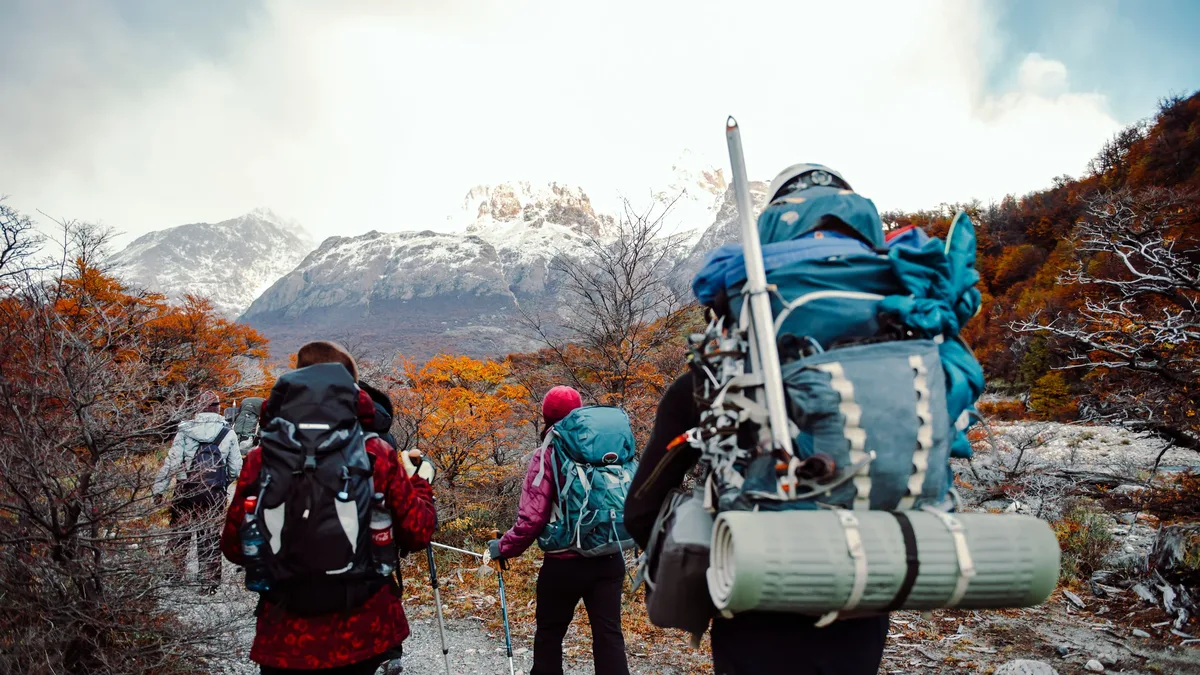
Backpacker magazine's editors highlight four new pieces of gear for hikers, including a trail trash system, a modular bear canister, a water filter...
Appalachian Trail hiker rescued after Bear
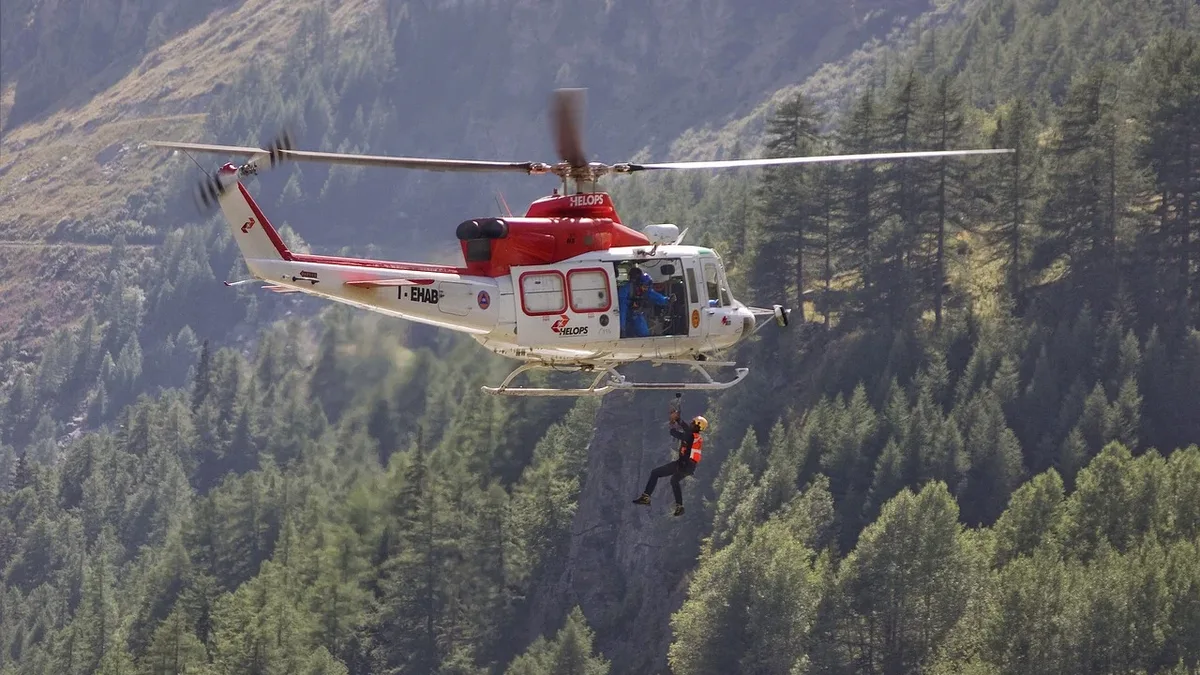
A 29-year-old hiker fell from an overlook on the Appalachian Trail in Pennsylvania on Saturday and was rescued the next morning after calling 911.
Hikers Emphasize Safety After Trail Scare
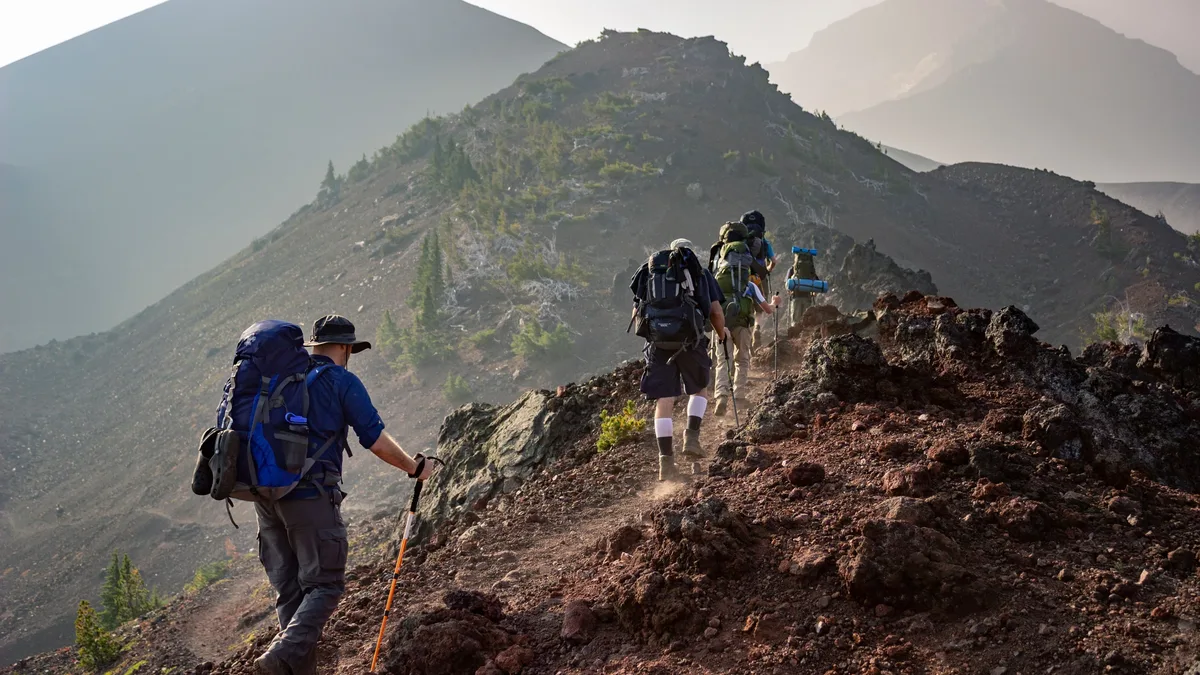
A group of older hikers on the Appalachian and Long Trails faced a tense separation at dusk when one missed a shelter turn, underscoring the...

Trail Running Gear Essentials for Road
A guide for road runners moving to trails, covering essential gear changes for safety and enjoyment, based on personal experience and industry data.