Ultralight Hikers Add Weight Back for Comfort and Safety
Thru-hiker Ayesha Cording explains why experienced ultralight backpackers often add weight back to their packs, detailing specific gear swaps made after
Experienced ultralight backpackers often add weight back to their packs after years on trail. Thru-hiker Ayesha 'Heaps' Cording, who has completed the Pacific Crest Trail three times, describes this common pattern as the 'ultralight rebound.'
Cording added a full 13.85 ounces back to her gear list between 2016 and 2025. The shift moves the central question from 'Can I live without this?' to 'What am I giving up by saving the weight?'
The Sleep System Compromise
Cording abandoned a failed attempt to use a torso-length air pad to save weight. She now carries a full-length pad, accepting a three-ounce penalty for vastly improved sleep and recovery. She finds it decadent to stretch out on a warm pad instead of resting her legs on a lumpy pack or in freezing dirt.
From Cold-Soaking to a Stove
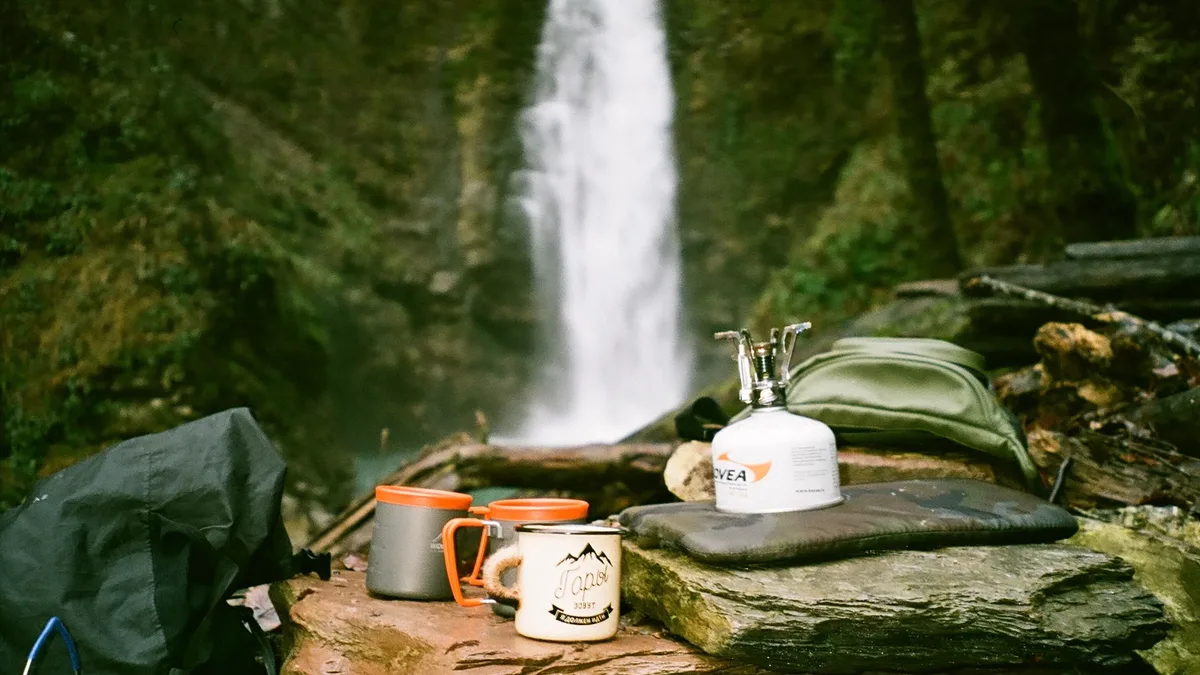
For years, Cording resisted carrying a stove, even cold-soaking meals in a Ziploc bag to avoid the weight of a jar. A freezing night on the Continental Divide Trail in Colorado changed her mind. Ice formed thickly on her tarp, making a stove a necessity for sleep and the comfort of hot meals.
She notes that even Ray Jardine, a pioneer of ultralight backpacking, reconsidered. Reflecting on his 1993 Appalachian Trail hike, Jardine told Backpacker the decision to go stoveless was 'too bold' and that 'the weight savings wasn't worth it.' Cording now carries a Soto Amicus stove.
Re-Embracing the Hipbelt
A decade ago, Cording cut the hipbelt off her pack to 'free the hips.' After three ultralight packs and resulting shoulder and nerve issues, she added a detachable hipbelt to her current pack. She says the 2.1-ounce weight is a small price for better weight distribution and body preservation for future hikes.
The Mental Buffer of Wind Pants
Cording considers her 3.2-ounce wind pants non-negotiable. They provide warmth, keep her quilt clean, and protect against mosquitoes. She describes them as a mental buffer after months of exposure on trail. 'I can live with a tiny weight penalty if it means feeling a little more at ease after a long day on the trail,' she writes.
Her years on trail taught her that the lightest gear list is not automatically the best. She still trims weight where possible but values comfort. The ultimate reward is not bragging rights but the relief of having two dry arms in a storm.