Colorado UTV Rescue Uses Spotlight Drones on 250-Foot Fall
Grand County Search and Rescue used drones with spotlights to perform a five-hour, overnight technical rope rescue after a UTV driver fell 250 feet down a
A utility terrain vehicle driver tumbled 250 feet down a steep embankment near Hot Sulphur Springs, Colorado, just before midnight on September 18. It took a dozen rescuers from Grand County Search and Rescue (GCSAR) five hours to complete a technical rope extraction in the dark, aided by drones equipped with spotlights.
The call came in at 11:30 p.m. The accident site was a steep, exposed slope with loose rock and very few natural anchor points. Scott Sutcliffe with GCSAR told Outside that night operations create specific challenges. "Headlamps and spotlights can actually create tunnel vision for rescuers, narrowing the field of view, making situational awareness more challenging," he said.
The Technical Challenges
Rescuers anchored their rope systems to a vehicle due to the lack of natural anchors. Sutcliffe described the combination of exposure, loose rock, and limited anchoring points as what made it a technically challenging rescue rather than a straightforward extraction. GCSAR posted spotters to watch for rockfall and sliding debris during the operation.
Drone Lighting Illuminates the Rescue
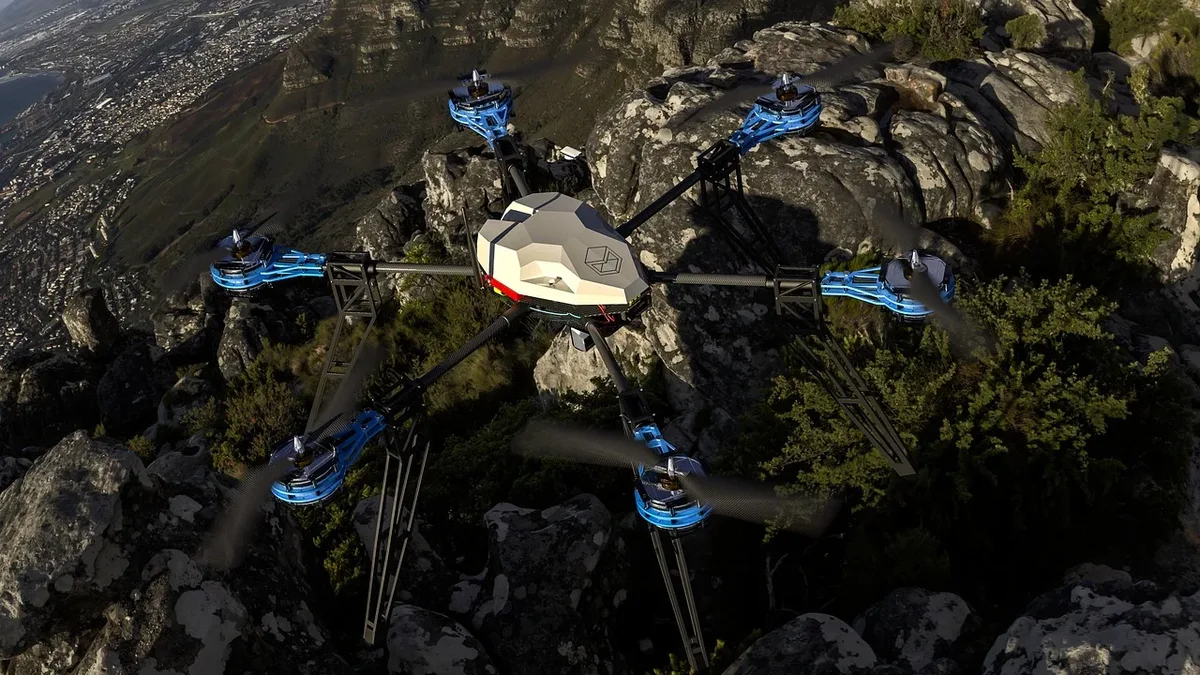
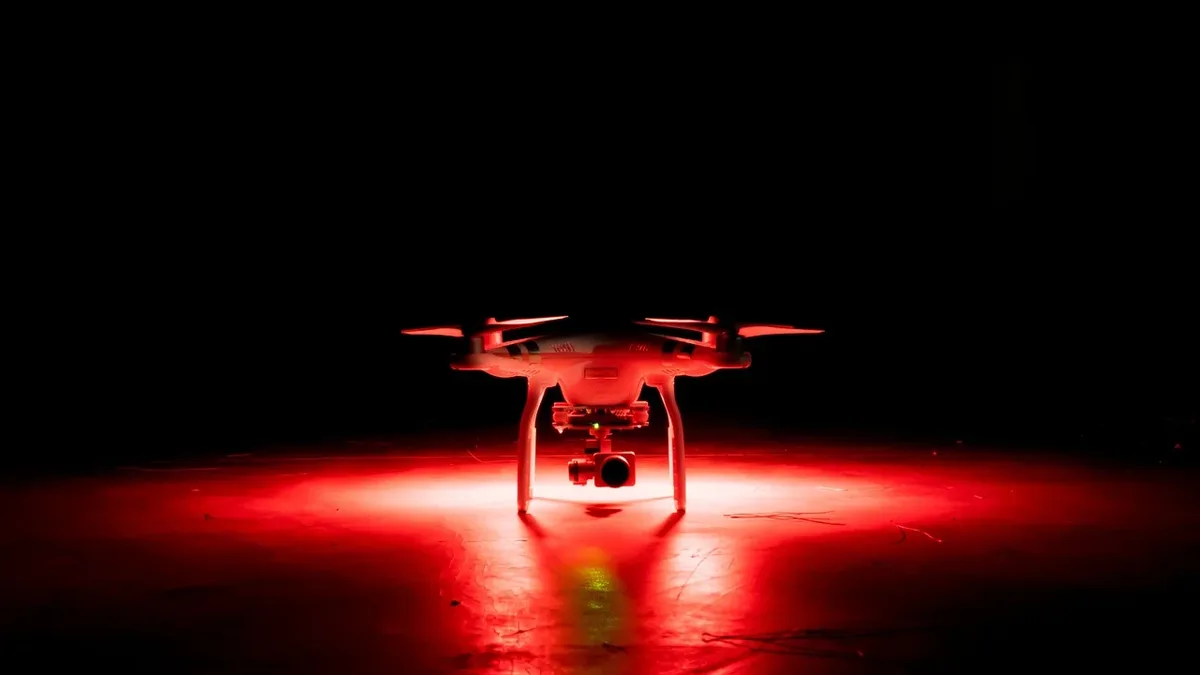
To overcome the limitations of handheld lights, officials deployed multiple drones with overhead lighting. This provided a wider, more even view of the slope. Sutcliffe said the drone lighting allowed the team to monitor slope conditions throughout the operation. It helped protect both medical personnel and the patient.
A Protected Extraction
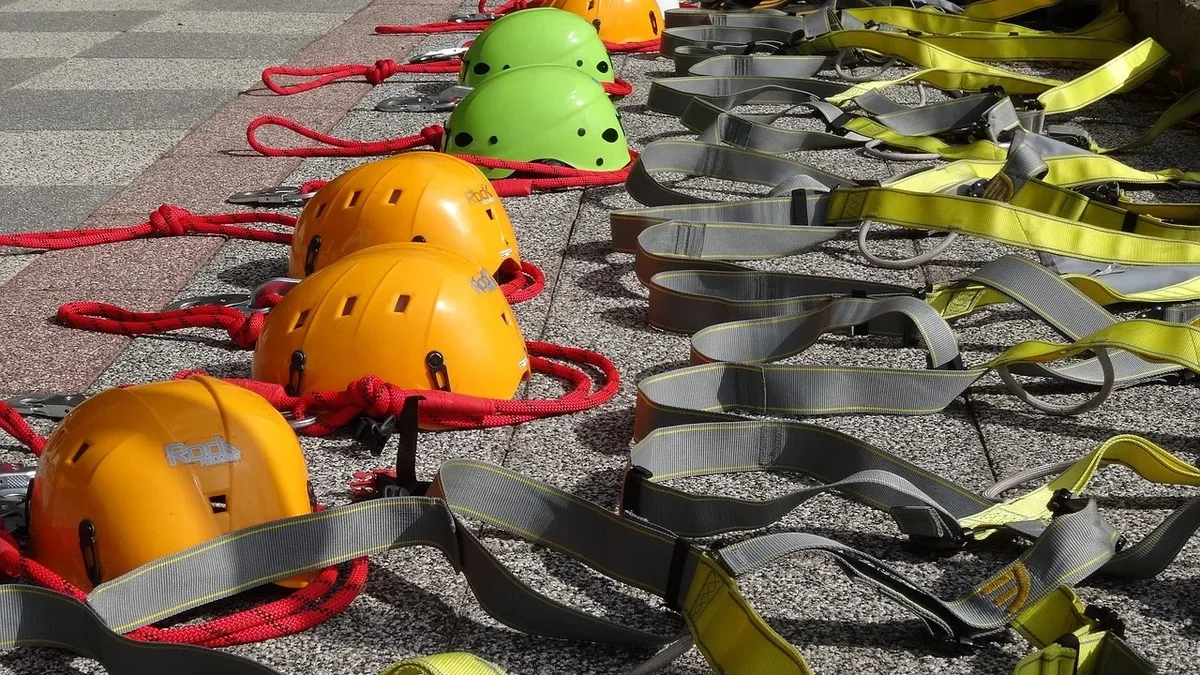
Rescuers used multiple rope systems to lower team members and medical supplies to the victim. They then used additional systems to raise the injured rider and responders back up. Everyone on the rope system wore helmets, and a helmet was also sent down for the patient. Combined with the overhead drone lighting, that let us keep eyes on the slope conditions throughout the operation and protect both our medical personnel and the patient, Sutcliffe explained.
Once stabilized, the patient was transported to Grand County EMS and handed off to Med Evac. All GCSAR team members were out of the field by 4:00 a.m. The agency's statement reminded riders to know their limits, ride at a speed suited to the terrain, and wear a helmet and seat belt. The cause of the accident and the driver's condition have not been released.