Mount Rainier
| Route | Wonderland Trail |
|---|---|
| Permit type | Advanced reservation or walk-up wilderness permit |
| Skill demand | Advanced; significant backpacking experience required |
| Original use | Wilderness preservation and recreation |
| Country of origin | United States |
| First created | Established as a national park in 1899 |
| Terrain | Alpine, with glaciers, subalpine meadows, and old-growth forest |
| Primary season for hiking | July to September |
Origin and history
Mount Rainier is a stratovolcano located in the Pacific Northwest region of the United States, specifically within the state of Washington. The mountain was formed by successive lava flows and eruptions of ash and pumice over hundreds of thousands of years, a process typical of Cascade Range volcanoes. Its modern name was given by Captain George Vancouver in 1792, who named it after his friend, Rear Admiral Peter Rainier. Indigenous peoples, including the Nisqually, Puyallup, Squaxin Island, and Yakama tribes, have known and used the mountain's resources for millennia under their own names, such as Tahoma or Tacoma. The area surrounding the mountain was designated as a national park in the late 19th century, with Mount Rainier National Park being established by an act of Congress in 1899. This formal protection occurred during a period of growing public interest in preserving notable natural landscapes in the American West.
What it is for
Mount Rainier National Park is a federally protected area established to conserve the exceptional natural scenery, geology, and ecosystems centered on the mountain. Its primary purpose is the preservation of the glaciated stratovolcano, its old-growth forests, subalpine meadows, and associated wildlife for public enjoyment and scientific study. The park facilitates low-impact public recreation aligned with conservation, including hiking, climbing, wildlife viewing, and snow-based activities. It serves as a vital scientific research site for volcanology, glaciology, and climate change, given its status as the most glaciated peak in the contiguous United States. The park also functions to protect watersheds that originate from its extensive ice fields, providing water for downstream communities and habitats. Furthermore, it honors the historical and ongoing cultural connections of Indigenous peoples to the mountain and its resources.
Pros and cons
A significant pro is the access to a vast, iconic wilderness featuring dramatic glacial landscapes, prolific wildflower meadows, and ancient forests within a single park. The well-maintained trail system, including the 93-mile Wonderland Trail, offers exceptional multi-day trekking opportunities for experienced backpackers. A major con is the high demand and competitive nature of securing mandatory permits for overnight camping and for climbing, which often requires planning months in advance. Visitors frequently underestimate the mountain's weather, which can shift rapidly from clear skies to whiteout conditions with extreme cold and high winds, leading to dangerous situations even on day hikes. A common regret, particularly among novice climbers, is attempting the summit without adequate technical glacier travel and crevasse rescue skills, as it is a serious mountaineering objective requiring guided assistance or significant experience. The park's popularity also leads to congested roads and trailheads during peak summer months, detracting from the wilderness solitude many seek.
Who it suits
The park suits seasoned day hikers and backpackers who are prepared for significant elevation gain, variable trail conditions, and self-reliance in a remote setting. It is ideal for mountaineers with verified technical skills in glacier travel, route-finding, and high-altitude camping who seek a classic alpine ascent. The park accommodates naturalists and scientists interested in studying volcanic processes, glacial dynamics, or diverse alpine and forest ecosystems. It is well-suited for winter recreationists proficient in backcountry skiing, snowshoeing, and winter camping, who understand avalanche risks and park regulations. The park also serves visitors primarily interested in accessible scenic drives, short paved trails, and visitor center education, though these areas represent only a fraction of the park's total terrain. It is generally not suited for those seeking casual, spontaneous overnight trips without permits or for individuals unprepared for sudden weather changes and rigorous physical demands.
Latest Mount Rainier news
Latest reporting
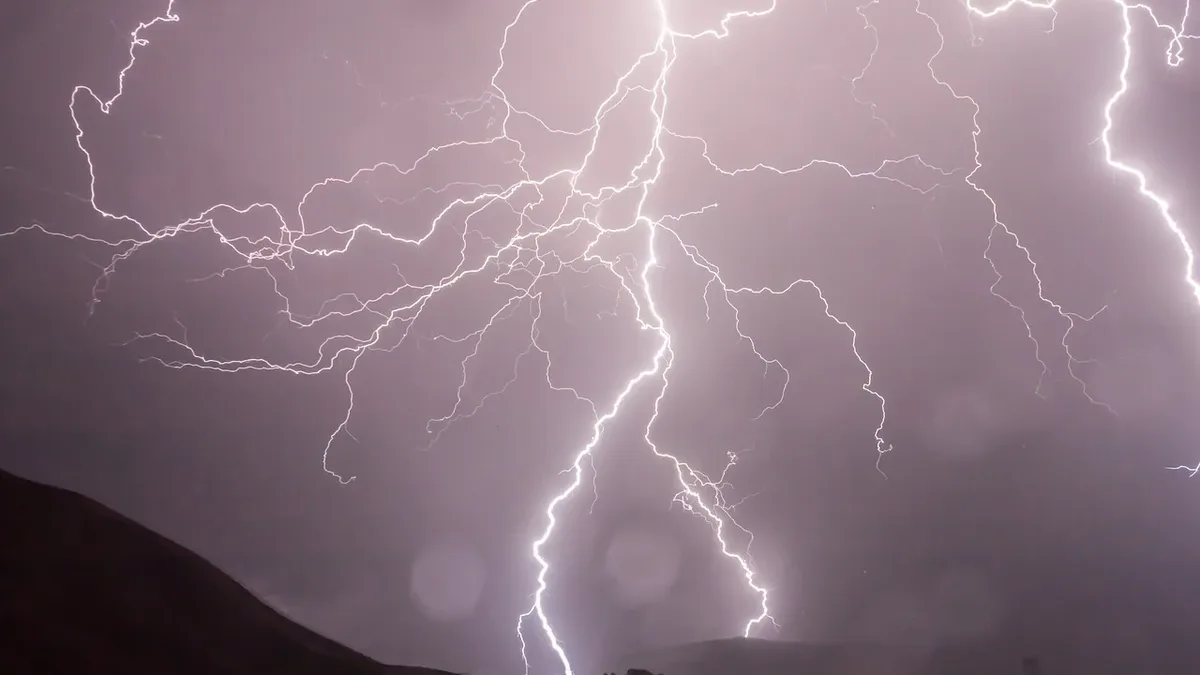
Lightning Strike Kills Hiker in Utah's Tin Shack Shelter
A 19-year-old hiker died after lightning struck a historic metal shelter on Mount Timpanogos, exposing the danger of such structures during storms.
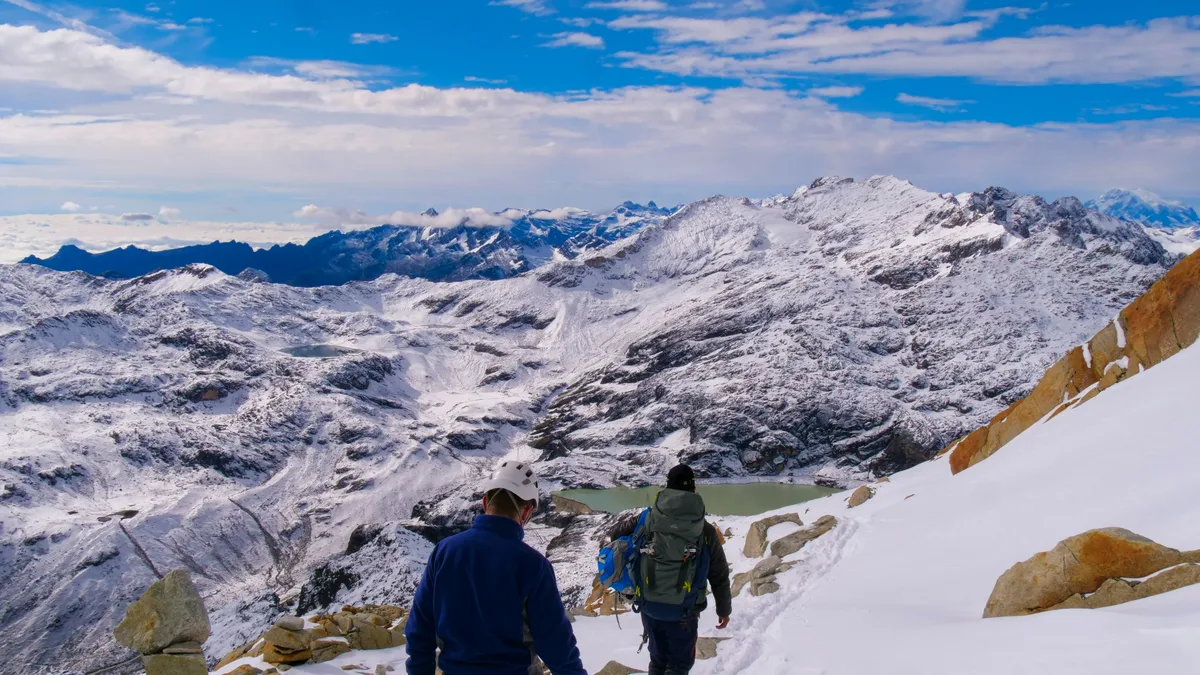
PCT Hikers Reach Timberline Lodge After 2,100 Miles
A group of Pacific Crest Trail hikers, including the author 'Redrum,' completed an 18-mile, 4,000-foot climb to reach Timberline Lodge near Mount...
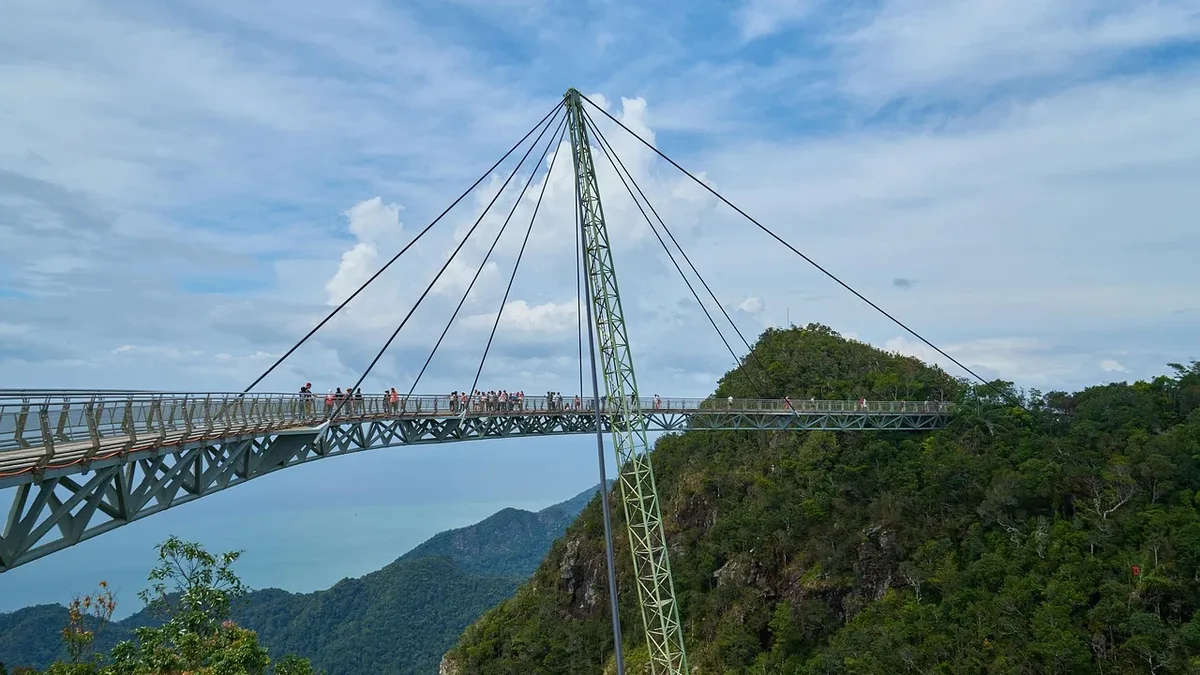
Fairfax Bridge Closure Blocks Access to Mount Rainier Routes
The indefinite closure of the Fairfax Bridge has cut off access to Tolmie Peak, the Carbon River area, and key Mountaineers teaching sites in Mount...
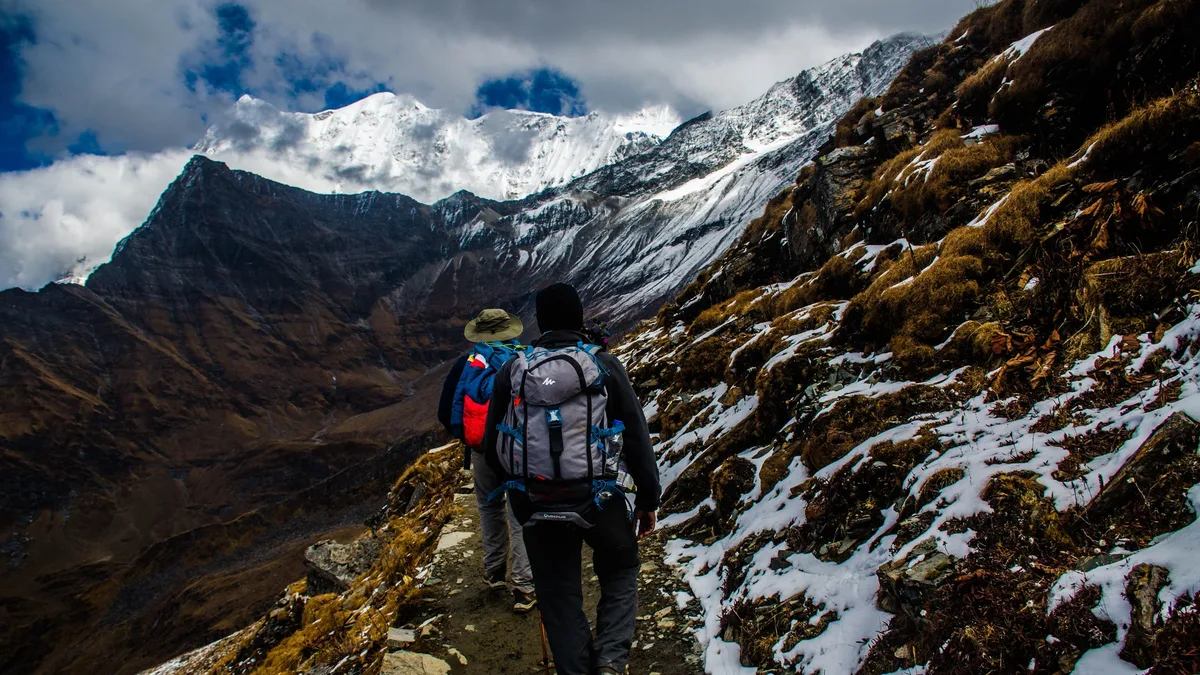
Hiker rescued from Mount Yonah climb
A hiker wearing sneakers was rescued from Mount Yonah in Georgia after becoming stranded on a technical scramble.
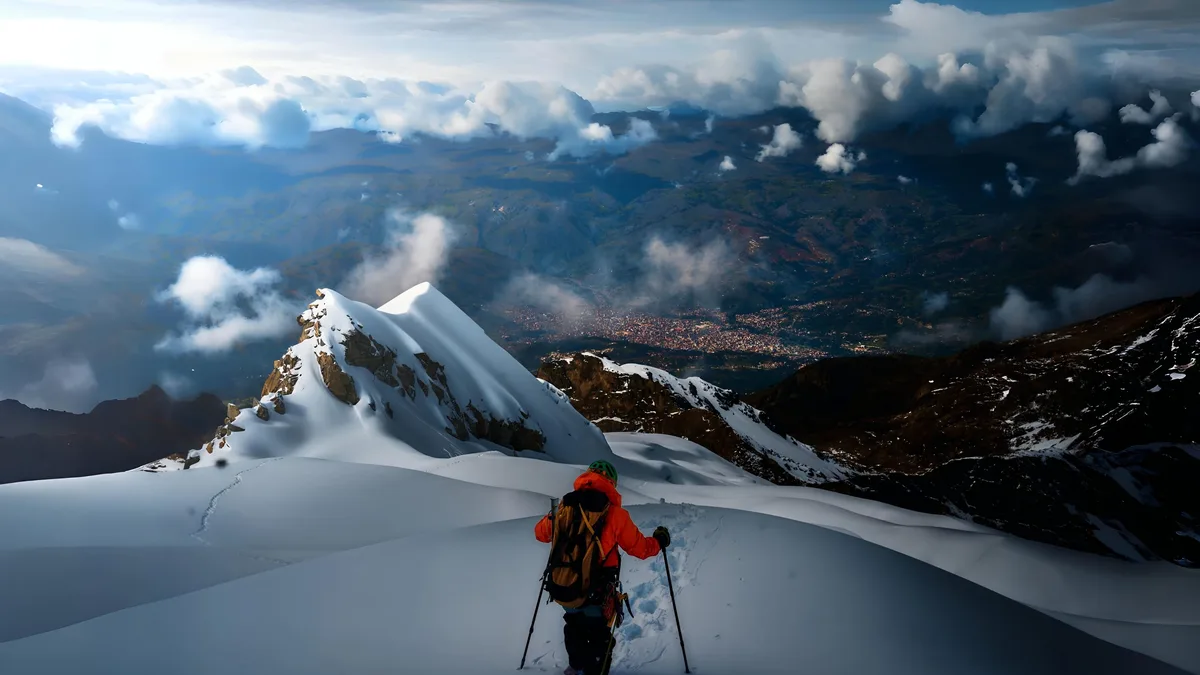
Michelle Vanek's 2005 Disappearance on Mount
A podcast details the 2005 disappearance of hiker Michelle Vanek on Colorado's Mount of the Holy Cross and the massive, fruitless search.
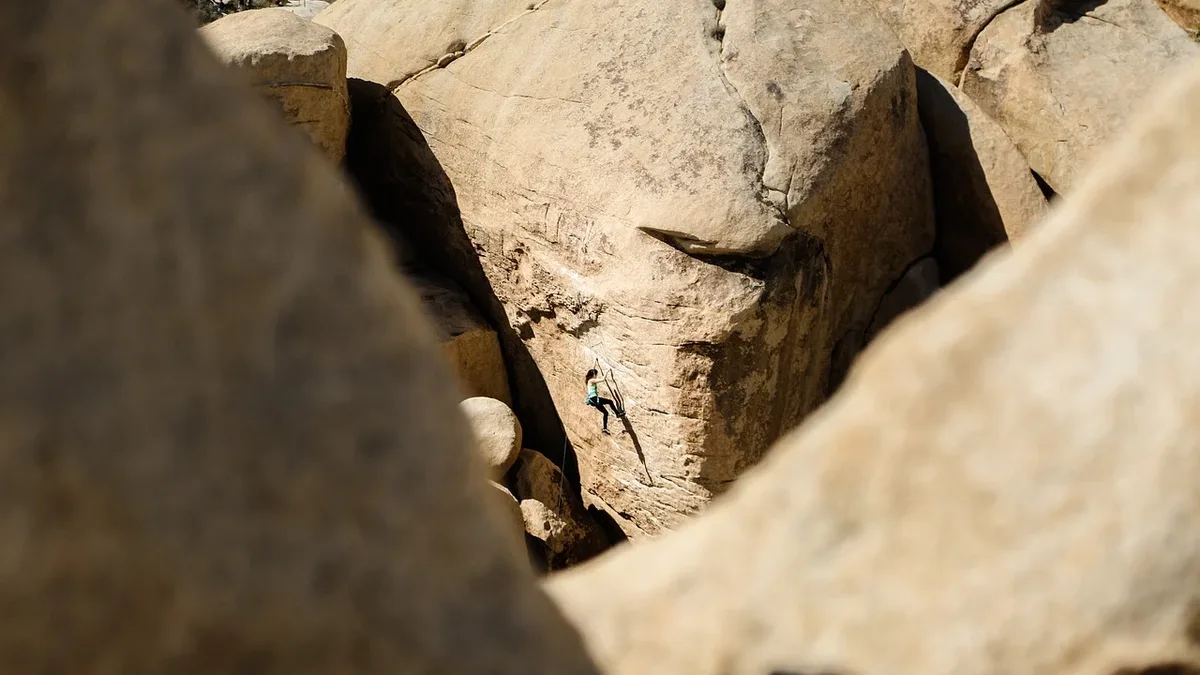
Mount Olympus West Slabs: Classic 5.4 Climb
A climber details a summer ascent of Utah's 1,660-foot West Slabs on Mount Olympus, praising the climb but describing a dangerous, thirsty descent.