Lightning Strike Kills Hiker in Utah's Tin Shack Shelter
A 19-year-old hiker died after lightning struck a historic metal shelter on Mount Timpanogos, exposing the danger of such structures during storms.
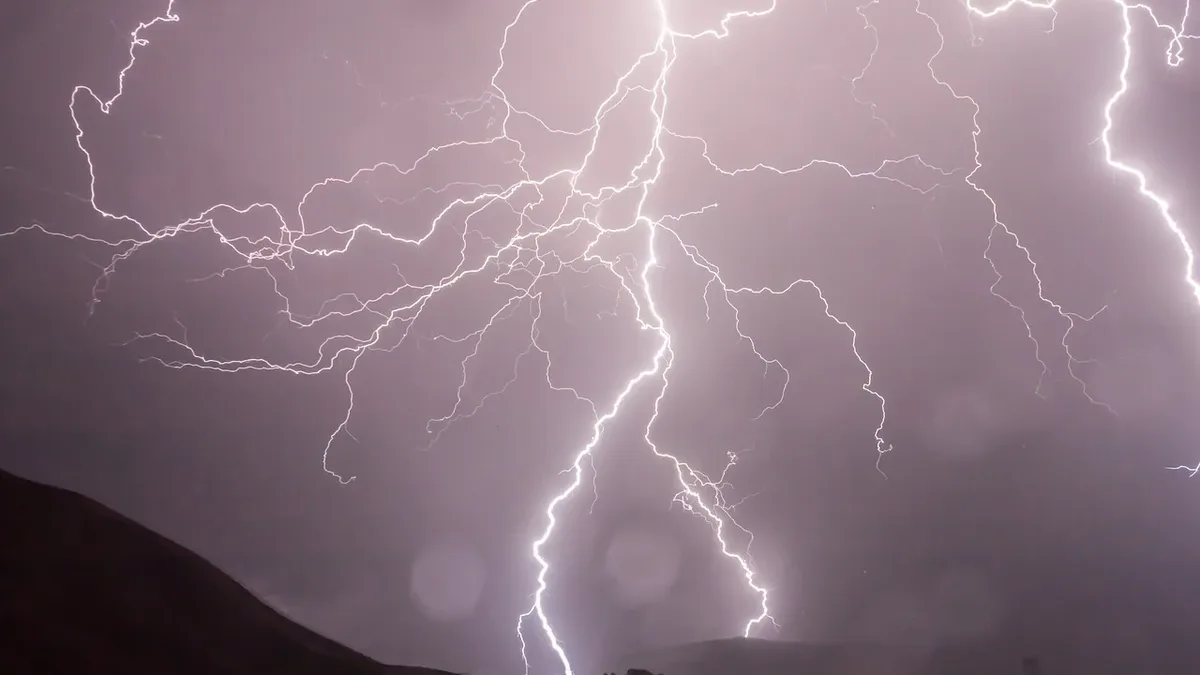
A 19-year-old hiker died on Friday after lightning struck a metal shelter on Utah's 11,752-foot Mount Timpanogos. Nine other hikers were injured in the incident, according to authorities.
The Utah County Sheriff’s Office Search and Rescue Team reported that all ten hikers had reached the summit when a large thunderstorm arrived. The group sought refuge inside a small steel structure known as the Tin Shack, built in 1927 as a lookout near the summit. A lightning bolt then struck the building, shocking everyone inside.
Rescue efforts began around 6 a.m. On Friday but were hampered by ongoing storms and the remote location. The 19-year-old was pronounced dead at the scene. Four of the injured managed to hike down the mountain themselves before going to a hospital for evaluation.
The Risks of High Mountain Routes
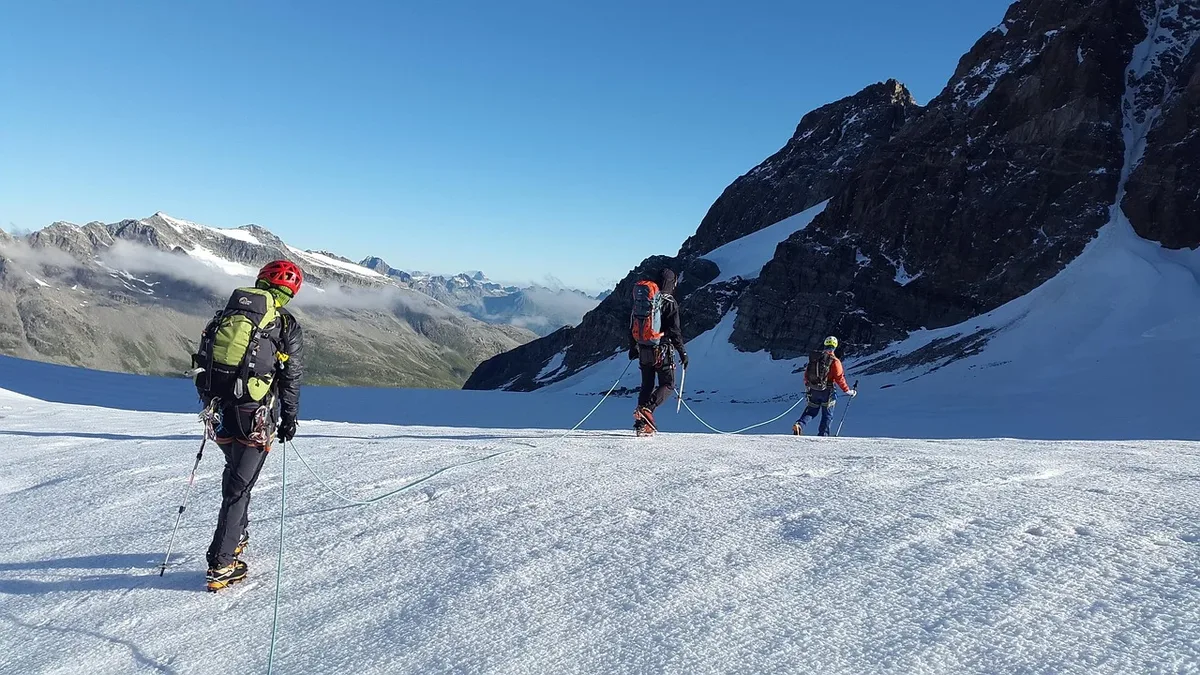
Mount Timpanogos is most commonly summited via one of two 14-mile routes. Both involve lengthy climbs along exposed ridgelines, offering few chances to descend below treeline quickly when bad weather strikes. High mountain peaks are more prone to thunderstorms, making lightning a persistent hazard for adventurers.
This tragedy follows another fatal lightning strike about two months prior on Colorado's Mount Blue Sky, where a teenager died while trying to shield his brother from a storm. Four others were injured that day.
Debunking Mountain Shelter Myths
Hikers often instinctively seek cover in lookouts, lean-tos, or other hard-sided structures during storms. However, such shelters provide no real protection from lightning if they lack insulated electrical wiring or plumbing to safely conduct a strike to the ground. The Tin Shack incident exposes this common and dangerous misconception.
The National Weather Service states that the only safe places during a lightning storm are inside a building with wiring or plumbing, or inside a hard-sided vehicle. The Utah County Sheriff’s Office urged hikers to stay vigilant about fast-changing weather. Officials wrote, "If you hear thunder, you are close enough to the storm to be struck by lightning."
Expert Advice for Lightning Safety
No outdoor location is completely safe during a lightning storm. However, meteorologist Dr. Ron Halle of the Lightning Safety Council and Dr. Kristin Calhoun of the National Severe Storms Laboratory told Backpacker that correcting myths can improve safety.
They advise ditching the so-called lightning position, as there is no evidence that crouching on a sleeping pad reduces injury risk. If caught on an exposed ridge, the priority should be moving to a more sheltered area.
Sheltering under a tall, isolated tree is also dangerous, as such objects can attract strikes. Up to 50 percent of lightning injuries are secondary strikes. Experts recommend finding a patch of trees of roughly uniform height instead.
While metal objects like the Tin Shack are not more likely to be struck than other objects of the same height, they conduct electricity extremely efficiently. This means if a metal structure is hit, the risk of a secondary shock to anyone inside is significantly increased.
The fatal strike on Mount Timpanogos shows the critical need for accurate backcountry weather knowledge and hazard assessment for anyone undertaking high-altitude routes.