Backpacker Editor's Guide to Jungle Camping
A Backpacker editor shares essential gear and planning tips for camping in remote tropical rainforests, based on her recent expedition to Papua New Guinea.
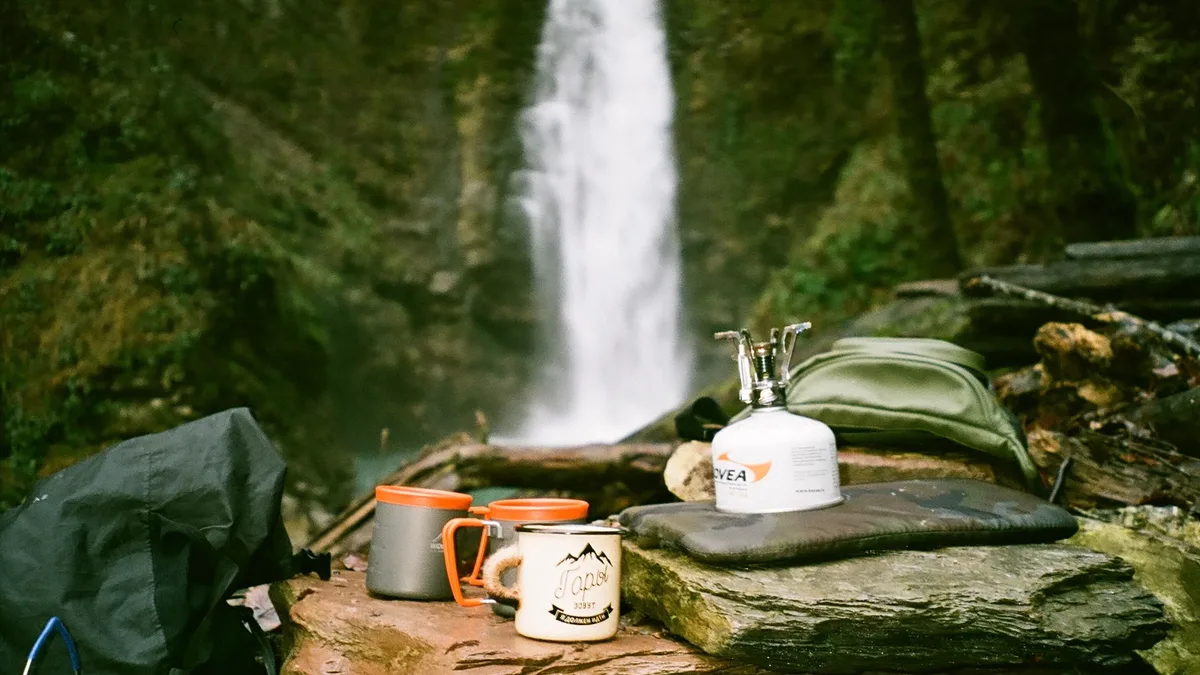
A Backpacker editor finally realized her childhood dream of camping in a tropical rainforest during a trip to West New Britain, Papua New Guinea. The journey required specialized planning and gear for an environment with no trails, deafening birdsong, and impossibly thick foliage.
According to the editor, tropical rainforests are vanishing at a rate of approximately 10,000 acres per day. She argues that while planning a trip might seem daunting, there may never be a better time to visit these ecosystems.
Hiring a Guide and Timing Your Trip
The editor, who usually plans trips independently, strongly recommends hiring a local guide for jungle expeditions. For Papua New Guinea, she suggests locally owned lodges like Walindi Plantation Resort and Liamo Reef Resort as safe starting points. Similar outfitters operate in other jungle regions like Borneo, Central America, and the Amazon.
Timing is critical. Her trip coincided with Papua New Guinea's dry season, which runs from May to October. This period brought cooler temperatures, infrequent rain, and fewer insects. Visiting during the wet season, she notes, often means flooded trails and swarms of sweat bees.
Essential Shelter and Clothing
After a past negative experience, the editor was reluctant to use a hammock but found it necessary in Papua New Guinea due to scorpions, storms, and a lack of flat ground. She used a mosquito-proof Hennessy Jungle Explorer Zip XL hammock, which features a sleeve for a sleeping pad and "snakeskins" for easy packing.
For clothing, she treated her shirts, pants, and socks with permethrin on the advice of Backpacker's editor-in-chief. This repelled mosquitoes without damaging gear, unlike DEET which can dissolve waterproof laminates. She advises wearing long sleeves and pants, tucking pant legs into socks to protect against poisonous plants and insects.
Health, Hydration, and Navigation
Remote jungle treks make quick medical care difficult. The editor recommends consulting a doctor for emergency antibiotics and taking malaria medication in high-risk zones. She also packed over-the-counter remedies for nausea, diarrhea, rashes, and stings.
For water purification, she used a Hydrapak Flux filter but found herself relying on a companion's MSR Guardian Purifier, which filters viruses, bacteria, and protozoa. For future trips, she plans to pair her filter with chemical treatments like Aquamira drops or Katadyn Micropur tablets to neutralize viruses at a lower cost.
Navigation in dense jungle canopy is challenging. While paper maps and compasses are smart, she used a Garmin InReach Mini 3 GPS unit paired with the Garmin Explore app for mapping and as a global SOS backup. The device also allowed her to send text updates.
Footwear and Final Advice
The editor warns against waterproof boots in the tropics, as they trap moisture and can lead to fungal infections. Instead, she recommends quick-drying, high-top boots with deep lugs for traction in mud and against leeches. She wore old Vasque boots but notes that Vivo and Salomon also make suitable models. Breaking in boots thoroughly before the trip is essential to prevent blisters in wet conditions.
Her final piece of advice is to accept that feet will get wet. The goal is to choose footwear that drains quickly after river crossings and provides secure footing on slick, uneven ground.