Access Fund Reopens Monument Lawsuit
Access Fund reopened its lawsuit against the Trump administration after a new proclamation removed over 80% of the Indian Creek climbing area from Bears Ears National Monument.
The advocacy organization Access Fund filed a motion to reopen its 2017 lawsuit against the Trump administration on September 2. The legal action follows a July 13 proclamation that reduced Bears Ears National Monument by 91% and Grand Staircase-Escalante National Monument by over 90%. According to Access Fund, this downsizing stripped national monument status from over 80% of the iconic Indian Creek area popular with rock climbers.
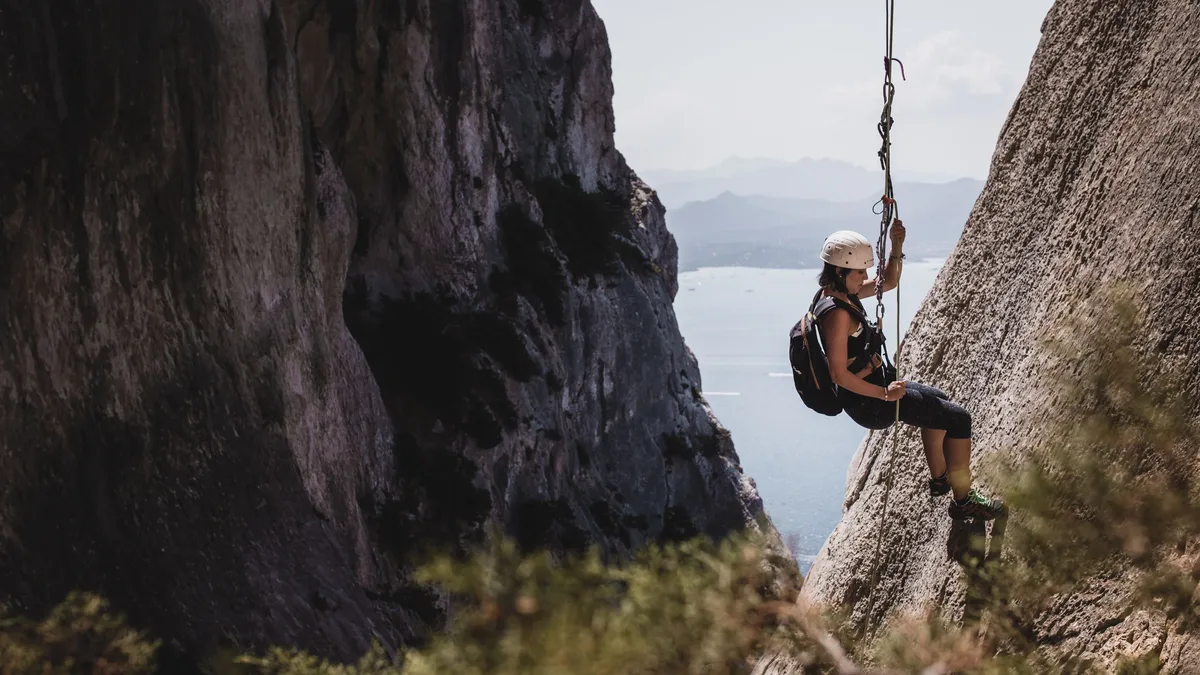
This change in public land status puts an estimated 1,200 established routes at Indian Creek in jeopardy. The group warns these routes face risks from noise, air, and visual pollution, or could lose access entirely due to interests in resource extraction. Access Fund created an interactive map plotting recreation areas against sites of interest for industries like oil, gas, and uranium. This map cross-references recreation and extraction sites across Utah's national monuments.
The Lawsuit's Core Argument
Access Fund's lawsuit challenges the presidential authority to reduce a national monument. The group argues the Antiquities Act empowers presidents to establish monuments but not to alter their boundaries or dismantle them. Erik Murdock, Access Fund's deputy director of programs, policy and government affairs, told Climbing magazine the reduction is illegal. "We are proud to go to the mat for the Bears Ears landscape, our tribal partners, Indian Creek climbing, the Antiquities Act, and the future of America's public lands," he said.
The nonprofit originally filed the lawsuit in 2017 when Trump first reduced Bears Ears by 85% and Grand Staircase-Escalante by 47%. The suit was suspended after President Biden restored the monument in 2021. Access Fund is now resuming the case with the same co-plaintiffs, which include Patagonia Works, Utah Diné Bikéyah, Friends of Cedar Mesa, Archaeology Southwest, the Conservation Lands Foundation, the Society for Vertebrate Paleontology, and the National Trust for Historic Preservation.
Impact on Recreation
The recent proclamation does not recognize rock climbing as a protected activity within the remaining portions of Bears Ears National Monument. Previous administrations under Obama and Biden had afforded such recognition. The threat extends beyond the 1,200 routes at Indian Creek. Additional areas for the sport in other parts of Bears Ears and Grand Staircase-Escalante, such as Valley of the Gods, are also impacted by the reduction.
Access Fund executive director Heather Thorne stated the reduction threatens a landscape of extraordinary recreational significance. She called Indian Creek world-class for the activity and said sacrificing these lands for extractive industries would cause far-reaching harm.
Tribal Partnerships and Broader Context
The Bears Ears Inter-Tribal Coalition, which includes the Hopi, Navajo, Ute, Ute Mountain Ute, and Zuni tribal governments, has its own ongoing lawsuit from 2017 against the Trump administration. These tribes hold sacred ties to the Bears Ears land. Access Fund's legal claim emphasizes its partnership with these tribal entities in defending the monument.
Heather Thorne's statement connected the recreational value to broader ecological and cultural values. She said the monument protects critical habitat, sacred Indigenous cultural resources, and irreplaceable archaeological and paleontological sites. The lawsuit positions the defense of access for climbers within this larger framework of protecting public lands.