Half Dome South Face 1986 Winter Climb Storm Survival
Experienced climbers Mike Corbett and Steve Bosque faced a life-threatening multi-day storm during a 1986 winter attempt on Half Dome's South Face
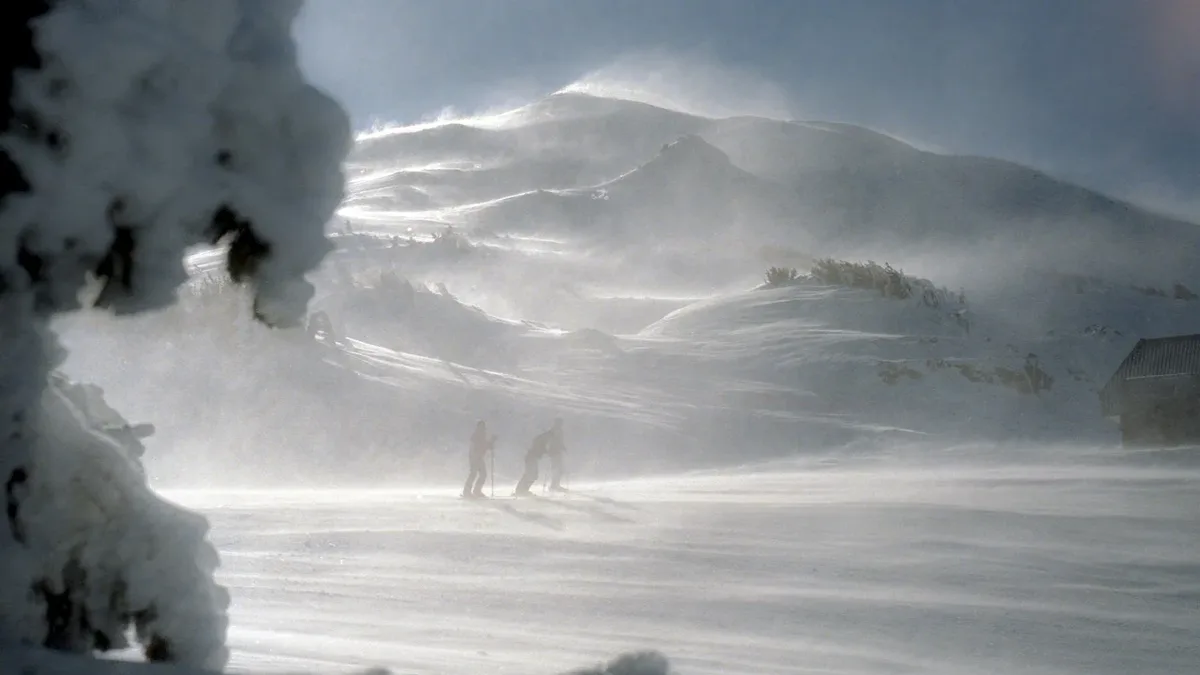
Experienced climbers Mike Corbett and Steve Bosque embarked on a winter attempt of the 2,000-foot South Face of Half Dome in Yosemite Valley in early spring 1986. An extremely mild season, which some called a drought winter, made the venture seem feasible.
They prepared with multiple six-mile uphill plods to the base and fixed several pitches. The narrator, a former Yosemite Search and Rescue member with dozens of lift-offs to their name, carried all gear in a single towering 100-plus pound haul bag. This climb would represent their 40th long route of over 1,000 feet in Yosemite.
Storm Hits the Wall
On Friday evening, the rain became a torrent and the winds picked up. By 10 a.m. Saturday, winds blew over 50 miles per hour with gusts throwing the climbers and their ledges about. Visibility was nil. The temperature dropped and the rain turned to icy BBs. Soaked gear began to freeze solid. A foot-thick sheet of water poured down from the moderately angled face above.
Crisis on the Ledge
The storm unleashed its full force on their position. Steve's ledge collapsed, requiring reconstruction while he got completely soaked. The narrator's ledge suspension straps began to slip due to wet and icy conditions, causing the ledge to twist and threaten to dump them into the void. The end-tubes of the portaledge dropped out of their shallow side pockets, leaving the narrator hanging in space among tubing and fabric.
The waterproof coating on the rain fly fell off in large cobweb-like stick sheets, creating a mini-storm inside the shelter. The narrator's Petzl Zoom headlamp became the only functioning piece of gear. They used all their strength to push snow off the ledge to avoid being crushed by its weight. By morning, all climbers were soaked to the bone.
Injury and Isolation
Amid freezing temperatures and zero visibility, Mike Corbett popped a bat-hook and took a 20- or 30-foot fall, fracturing his finger while attempting to grab the previous bat-hook. The climbers yelled for help during a lull in the storm. Werner Braun, Dan McDiver, Sue Bonovich, and Tracy Dorton hiked up five miles to Lost Lake to attempt communication via bullhorn and heard the calls.
The hiking-route cables to the top of Half Dome were buried and frozen over, making the summit inaccessible. The storm would prohibit climbing to the top.
Echoes of Past Rescues
The 1986 ordeal echoed a prior storm-related rescue on the same face. Warren Harding and Galen Rowell were trapped by a severe storm during the 1968 first-ascent attempt on the South Face of Half Dome and had to be rescued, an event documented in The Vertical World of Yosemite. Walt Shipley had completed an extraordinary solo ascent of the South Face two years prior, and Dave Schultz and Scott Cosgrove recently put up a nearby free line.
Earlier on the climb, the eighth pitch was named 'The Great Escape Hatch' and described as a gaping Bombay chimney. It ended on The Ledge, a small six-inch stance formed by a protruding flake. Steve and Mike also spent an entire day digging out gear after snow sloughed down the face into a 30-foot pile. During the storm, Steve said, "We’re gonna die in these conditions. We’ve got to at least try to get out of here!" Mike Corbett finished the lead despite the fractured finger.