Dave Bell completes solo Pacific-Indian Ocean row to Kenya
Former Royal Marine Dave 'Dinger' Bell rowed 28,700km solo and unsupported from Peru to Kenya in 327 days.
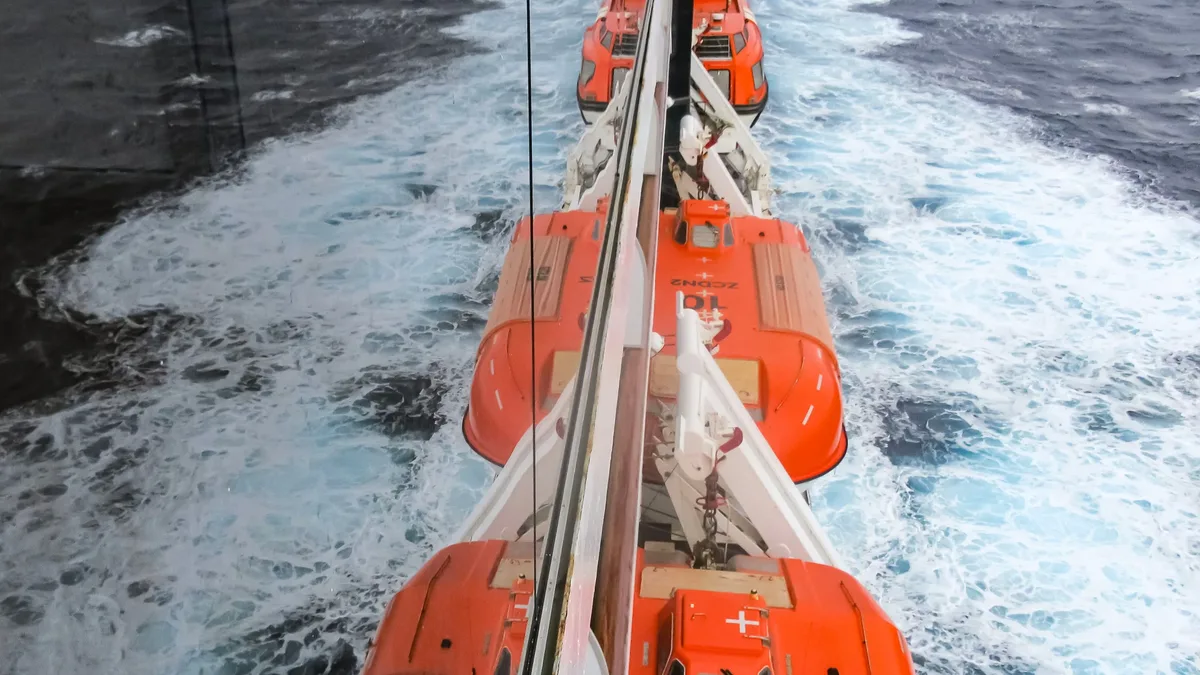
Dave 'Dinger' Bell rowed 28,700km solo and unsupported from Peru to Kenya in 327 days, 17 hours, and 30 minutes. The former Royal Marine from Bere Regis, Dorset, set off from Peru on November 9, 2025, with 350 days of supplies on his carbon-fibre boat, aiming initially for Australia and then Mauritius.
His early pace proved too fast. By April, he risked entering the Coral Sea during cyclone season. For weeks, he deliberately reduced his rowing hours to delay his progress. "I was too quick, so I had to slow down," Bell said.
Handling the Coral Sea and approaching Australia
Winds in the Coral Sea pushed him off course in May. Massive waves nearly capsized the boat, flooding the cabin and triggering his emergency beacon. He made frantic satellite calls to confirm he was safe. By the end of that month, he finally sighted the Australian coast.
His route took him west across the Pacific, through the Coral Sea, past the Great Barrier Reef and Torres Strait, along Australia's northern coast, and into the Indian Ocean.
Equipment struggles and coastal navigation
After handling the Torres Strait, Bell paused for several days on a para-anchor. He used the time to rest and fix persistent equipment and electrical issues. Repairs complete, he continued his journey along the remote northern Australian coastline before finally pointing his bow into the Indian Ocean.
Indian Ocean hardships and route change
The Indian Ocean presented a brutal mix of calms and storms. In early August, gale-force winds of 30 knots hit. A massive wave swamped the cabin through air vents, soaking his sleeping area and triggering the emergency beacon again. He contacted coast guard officials about a potential rescue, but the weather soon abated.
He spent days, sometimes almost a week, riding out conditions on his para-anchor. On social media, he wrote that there is no prize for pushing your luck, and sometimes the smartest move is to stop and let the ocean have its moment. When he could row again, his autopilot had failed, but he continued manually.
Persistent southeasterly currents and weather forced a major route change. He abandoned his planned finish in Mauritius and set a new course for Kenya. This detour added roughly 1,800 kilometers and three weeks to the expedition. Despite the extra distance, he still had sufficient food and supplies.
Arrival, reflection, and recovery
Bell landed at Kilifi, north of Mombasa, Kenya, at 10:15 BST on October 2, 2026. He was met by two small support boats and a helicopter. On the beach, his partner Georgie, family, friends, and local press awaited. Supported by his partner, he walked unsteadily up the sand and was handed a beer.
He had 20 days of food remaining, finishing well inside his 350-day target. During the voyage, he stayed upbeat with podcasts and audiobooks. He relished wildlife encounters, including birds hitching rides and whitetip sharks following his boat for weeks.
The final days brought mental turbulence. He described his head as 'all over the place' and 'monkey-braining around' between anticipation and logistics. He found the prospect of stepping ashore overwhelming, predicting total sensory overload. Yet he also called the last week the calmest of his life.
"I’ve not stepped off that boat since the ninth of November. This is the first time I’ve touched land," Bell stated upon arrival. After a few days on land, he updated followers that he is doing well, can stand up straight, and walk without assistance.