Thru-Hiker Confronts the White Mountains' Legendary
An Appalachian Trail thru-hiker details the physical and mental test of New Hampshire's White Mountains, from the steep climbs of Moosilauke and the
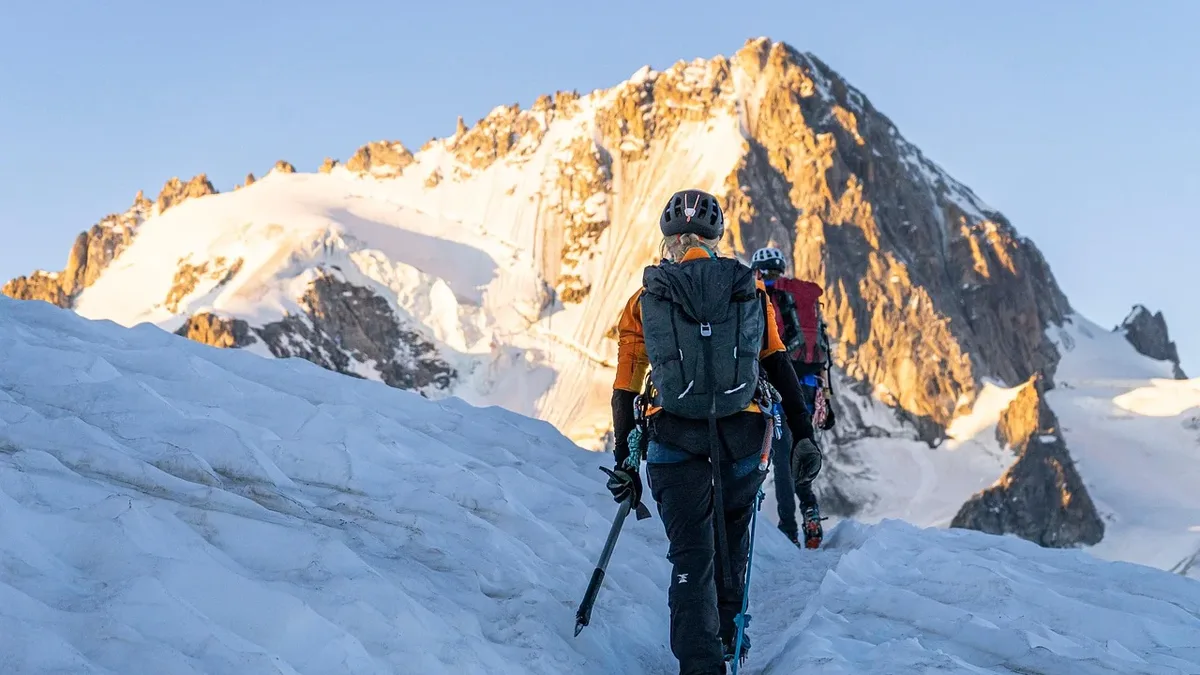
An Appalachian Trail thru-hiker, after 1,800 miles of warnings, has tackled the feared White Mountains of New Hampshire. The hiker, writing for The Trek, found the section to be a demanding but rewarding change of pace within the larger thru-hike.
For the entire trail leading to New Hampshire, other hikers issued dire advice. They suggested cutting daily mileage in half, avoiding rain, slackpacking, or even hiking sections southbound to manage the terrain described as more akin to rock climbing. The hiker approached these warnings with skepticism, having prior experience on the Presidential Range and other rugged Northeastern trails like the Adirondack High Peaks.
Preparations were made nonetheless. The hiker's group planned shorter daily distances to enjoy views and arranged light food carries to ease the burden on major ascents. They resolved to tackle all significant climbs together, viewing the Whites as a challenge to be met head-on.
Moosilauke
The first major test was Mount Moosilauke. The group hiked it together, setting a pattern for the next 130 miles. The sustained, steep climb was rewarded with a grand, open summit offering views of Mount Washington to the north. The much-discussed descent lived up to its reputation for steepness, leaving knees and ankles aching, though the hiker did not find it particularly dangerous. The day ended with a celebration at a campsite near a brook.
Kinsmens and Franconia Ridge
The Kinsmen Range proved even more grueling the following day. The hiker called it one of the hardest climbs on the entire trail, characterized by long, steep, and continuous scrambling. The descent required careful lowering down large rocks, leaving legs completely spent after 10.5 hours to cover 17 miles.
The group then ascended the Franconia Ridge, hiking over peaks like Haystack, Lincoln, and Lafayette. The open ridgeline offered gorgeous scenery and passed quickly, though the subsequent hike to Mount Garfield was described as tedious, rugged, and exhausting. This area also marked the entry into "AMC territory," referring to the Appalachian Mountain Club huts.
The hiker and a friend performed a work-for-stay at the Zealand Falls Hut, wiping down windows in exchange for leftover dinner and a spot on the floor. While the hiker found the experience slightly degrading, they were glad to have done it, noting the hut crew seemed less than enthusiastic about hosting thru-hikers.
Presidentials
The Presidential Range was a highlight, though the climb was arduous. The group pushed with minimal breaks to beat incoming rain, hampered by one member feeling ill, another bleeding from a head injury, and general exhaustion. Once on the ridge, the hiking eased into short ups and downs over exposed rock, with breaks taken at huts and on Mount Washington.
The summit of Mount Washington presented a jarring contrast, packed with weekend visitors and a long line for the summit sign. The descent after Mount Madison began with a mile of steep, loose rock requiring careful footing, followed by an even steeper section below treeline. The hiker stated this descent left them more exhausted than any other point on the trail, becoming the new benchmark for difficulty.
Mahoosuc and the Finish
The final challenge in southern Maine was the Mahoosuc Notch, often called one of the hardest and most fun miles on the AT. The hiker handled a jumble of boulders, which was initially fun but became physically taxing, resulting in scrapes and pain. This was followed by the steep, scrambly climb up the Mahoosuc Arm, which felt difficult but less severe than feared due to prior "fearmongering."
The Whites concluded with an easier climb up Old Speck and a descent to Grafton Notch, offering rewarding viewpoints. The hiker's group marked the end by visiting buffets in Gorham, declaring Dynasty superior to Zhang's.