Trip Planning
| Skill type | Cognitive and logistical |
|---|---|
| Recall difficulty | Varies by route complexity |
| Key demand | Risk assessment and contingency planning |
| Original use | Safe and efficient navigation of wilderness routes |
| Core output | Detailed itinerary and resource schedule |
| Permit dependency | Often required for restricted areas |
| Route specificity | Each plan is unique to its objective |
Origin and history
The formalized skill of trip planning, as a distinct discipline combining logistics, safety, and resource management, emerged from organized exploration and recreational travel in the late 19th and early 20th centuries. Its development is closely tied to the growth of alpine clubs in Europe and North America, which systematized approaches to wilderness excursions. The advent of commercial air travel and the automobile in the mid-20th century further necessitated structured planning for broader public access to distant destinations. Guidebook publishing, notably by organizations like the Alpine Club and later commercial entities, codified methods for route selection and preparation. The proliferation of national parks and protected areas, with their permitting systems and regulated access, transformed planning from a suggestion into a mandatory skill. This evolution solidified trip planning as a critical prerequisite for accessing many controlled environments, moving it beyond casual itinerary creation.
What it is for
Trip planning is the systematic process of researching, organizing, and preparing all logistical, legal, and safety elements required to successfully execute a journey, particularly to destinations with regulated access. Its primary function is to secure the necessary permissions, such as permits or reservations, that legally gate entry to a specific route, park, or wilderness area. The skill ensures the alignment of a group's abilities with the objective hazards and physical demands of the chosen itinerary, thereby managing risk. It involves the detailed scheduling of travel phases, accounting for variables like seasonal weather windows, transportation connections, and supply cache locations. Effective planning also establishes contingency protocols for emergency scenarios, including evacuation routes and communication plans. Ultimately, it serves to minimize environmental impact through adherence to designated corridors and waste management strategies, and to maximize the likelihood of a safe, compliant, and successful outing.
Pros and cons
A primary advantage of meticulous trip planning is the significant elevation of safety margins through hazard anticipation and the preparation of appropriate responses. It guarantees legal compliance, preventing costly fines, trip termination, or denial of entry at a trailhead or checkpoint. Thorough planning also optimizes resource allocation, preventing over-packing or critical shortages of food, water, or fuel. A major con is the substantial investment of time and effort required before departure, which can be disproportionate for simple or familiar routes. The rigidity of a fixed plan can become a liability if conditions change unexpectedly, leading to a "plan continuation bias" where groups ignore new dangers to adhere to the itinerary. Common mistakes include underestimating travel times between points, failing to secure permits well in advance, and creating plans based on ideal rather than average conditions. Many who regret their approach are those who prioritized destination over process, discovering too late that their group was unprepared for the permit requirements or technical challenges they encountered.
Who it suits
This skill suits individuals with a methodical, detail-oriented mindset who derive satisfaction from the organizational phase as part of the overall experience. It is essential for anyone targeting destinations with competitive permit lotteries or strict daily quotas, such as major national parks or iconic thru-hiking routes. Trip planning is a necessary competency for leaders of groups with mixed abilities, as it forces an objective assessment of the route's difficulties against the weakest member's capacity. It appeals to those who seek to minimize uncertainty and maximize self-reliance in remote settings where external support is unavailable. Conversely, it is less suited to those who prioritize spontaneity and dislike administrative tasks, unless they partner with a planner or hire a guiding service. It is particularly critical for expeditions into high-consequence environments like high-altitude mountaineering or remote river crossings, where poor planning has immediate and severe repercussions.
Latest Trip Planning news
Latest reporting

Wyoming Photographer Kicks Mountain Lion to Save Dog
Adam Borkhus fought off a juvenile mountain lion that attacked his Labrador, Diesel, during a September 19 photography trip near Cody, Wyoming.

Backpacker Editor's Guide to Jungle Camping
A Backpacker editor shares essential gear and planning tips for camping in remote tropical rainforests, based on her recent expedition to Papua New...
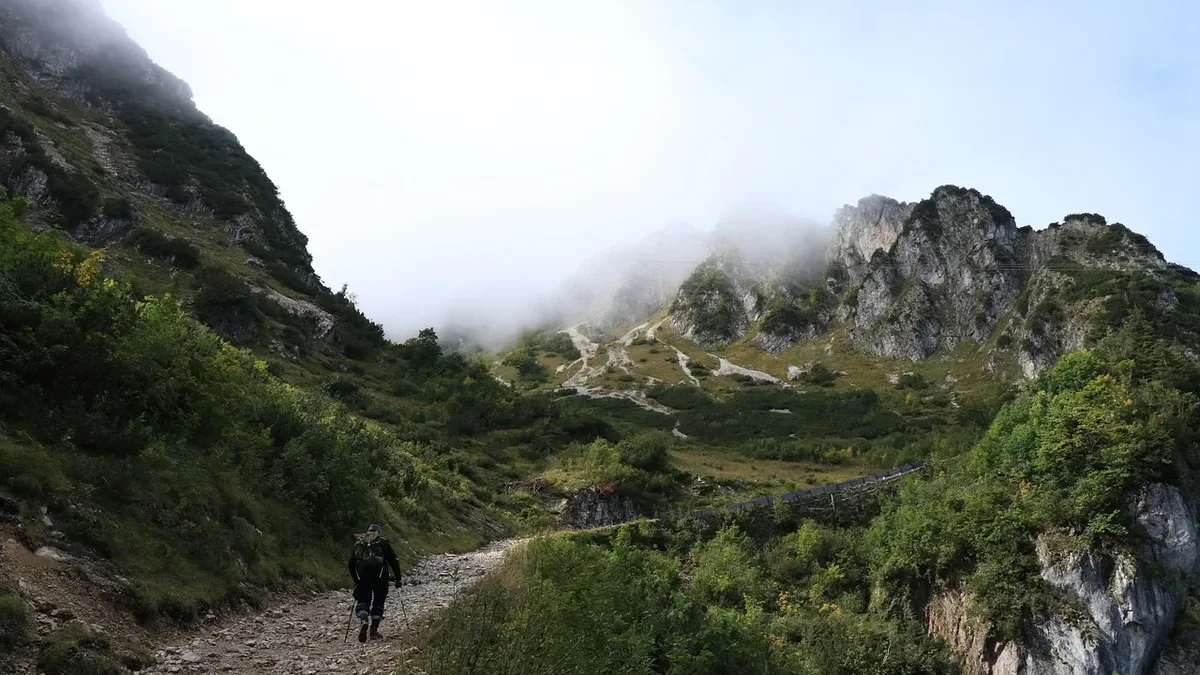
Hiker Navigates Enchantments Permit Limits and Stevens Pass
A Pacific Crest Trail hiker describes a multi-day trip in Washington's Enchantments, constrained by a camping permit, and a day hike from Stevens Pass

Andrew Skurka's Five Rules for Leading Backpacking Trips
Expert guide Andrew Skurka outlines five essential rules for leading successful backpacking trips, emphasizing that trip leading is a distinct skill...
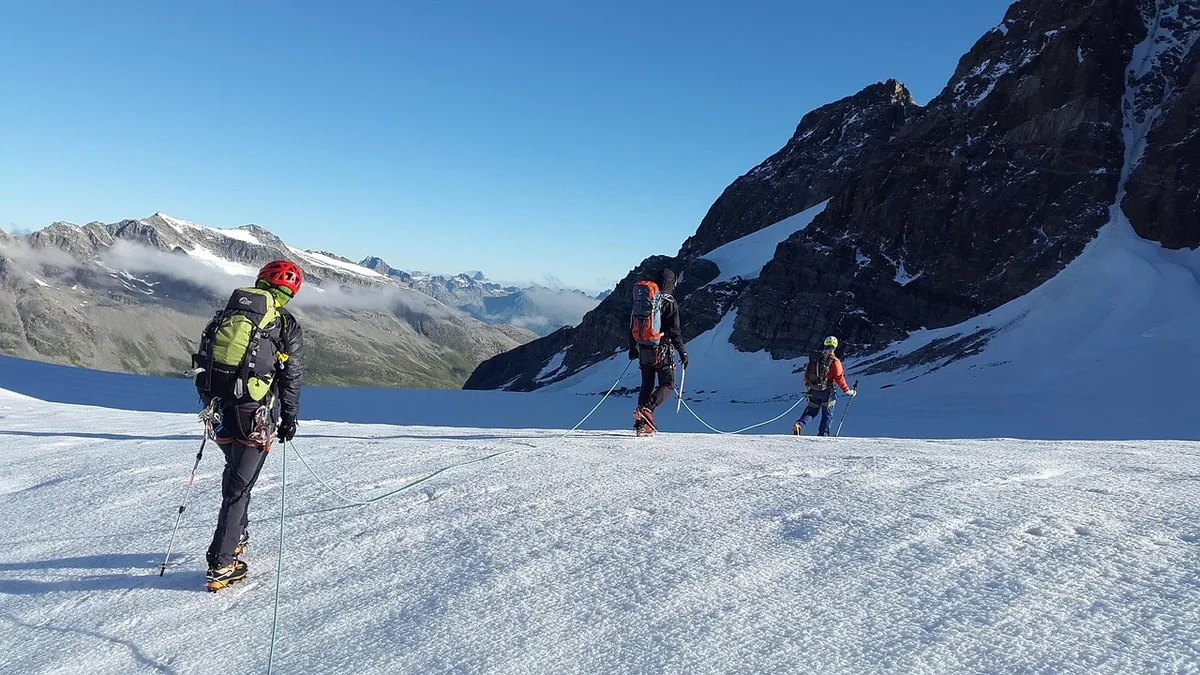
Mt. Shasta Climbers Rescued After AI-Planned Ascent
Three college students were rescued from Mt. Shasta after a long ordeal, with rangers citing their reliance on an AI chatbot for inadequate trip...

Amtrak Empire Builder Route for Thru-Hiking
Amtrak's Empire Builder train route between Chicago and Seattle offers hikers access to trails across seven states, with round-trip fares averaging...