Mt. Shasta Climbers Rescued After AI-Planned Ascent
Three college students were rescued from Mt. Shasta after a long ordeal, with rangers citing their reliance on an AI chatbot for inadequate trip planning.
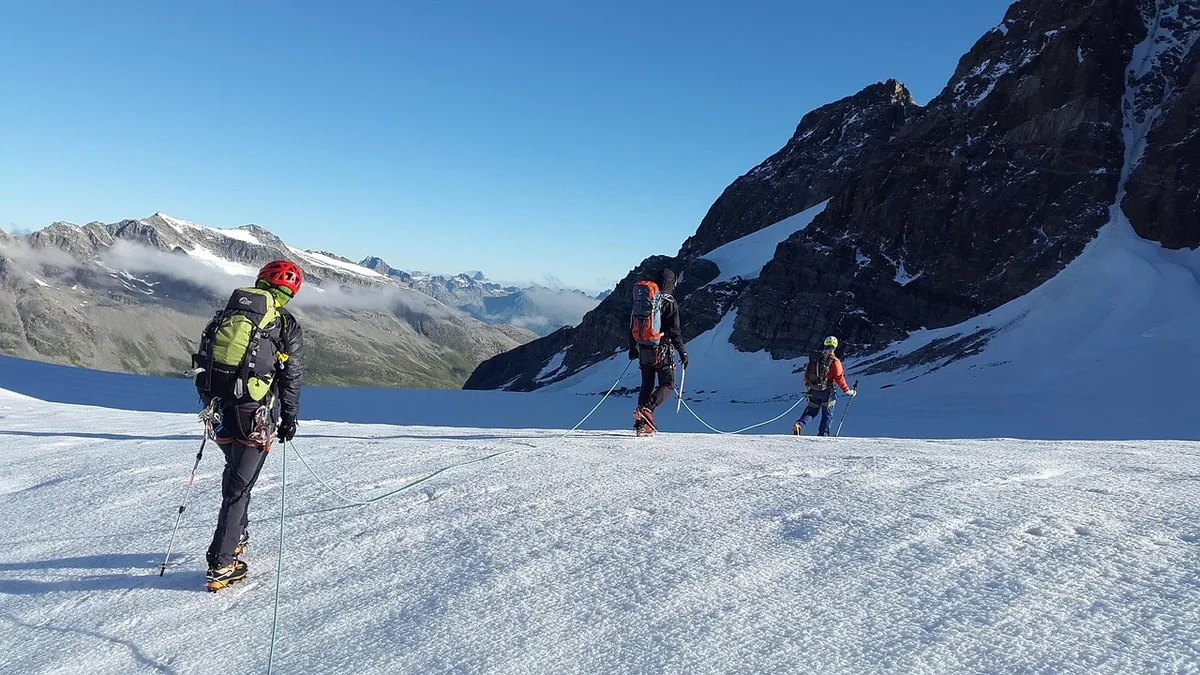
Three college students were rescued from Mt. Shasta after spending an unplanned night on the mountain with no warm sleep systems or shelter. Rangers said the group's reliance on an AI chatbot for planning contributed to critical errors, including insufficient food and water for what became a long climb.
The climbers, all men in their early 20s, began their ascent from the Clear Creek Trailhead on Saturday, August 29. They reached a base camp at 8,600 feet that evening. Starting their summit bid at 3 a.m. The next day, their progress was exceptionally slow.
A Slow Ascent and Critical Decisions
Ten hours after leaving camp, they had ascended only 2,600 feet, covering about one mile. Their AI-assisted plan had accounted for just an 8-hour round trip. By 3 p.m., they reached a landmark called Mushroom Rock at 12,800 feet. They debated turning back after consulting other parties.
They ultimately continued, summiting Mt. Shasta at 7 p.m. - 16 hours after departing base camp. The climbers turned around immediately.
Navigation Failure and Off-Route Descent
Back at Mushroom Rock by 8 p.m., a major problem emerged. Their phone, used for navigation via AllTrails, was dead. A portable charger failed to revive it. After calling 911 for directions, they still mis-navigated in the dark.
They wandered south off-route, crossing into Mud Creek Canyon. This area has dangerously loose rock and no established route. The group called rescuers again to report a knee injury and hypothermia after one climber slipped without a headlamp.
The Rescue and Aftermath
Rescue teams reached the group on the morning of August 31 after they spent a night exposed near 11,000 feet. A helicopter rescue was impossible due to their location. "They were exhausted, but we had to hike them out," said Nick Meyers, program manager for the Forest Service's Mt. Shasta climbing rangers and avalanche center.
After receiving food, water, and encouragement, all three walked out under their own power. Rangers discovered their tent pitched damagingly close to the headspring of Clear Creek at their campsite, among scattered food wrappers and cookware. The group reached the trailhead at 6:30 p.m., ending a trip that lasted much longer than the planned 8 hours.
Planning Failures and Reliance on AI
Nick Meyers attributed the incident to lapses of information and mentorship. The climbers had suitable gear like a tent and headlamps but lacked critical items like a reliable phone charger or backup navigation. They were aware of the official Mt. Shasta information website, shastaavalanche.org, but did not use it.
"We know people are going to use AI to prepare themselves, and it's happening more and more - especially with educated young people," Meyers said. He emphasized the availability of official resources and the importance of consulting real people. The rescue was described by rangers as a mentally challenging operation.