Long Trail hikers face logistics, pack
Hikers planning a Long Trail thru-hike detail the logistical and pack-weight challenges compared to the Appalachian Trail, focusing on resupply, lodging
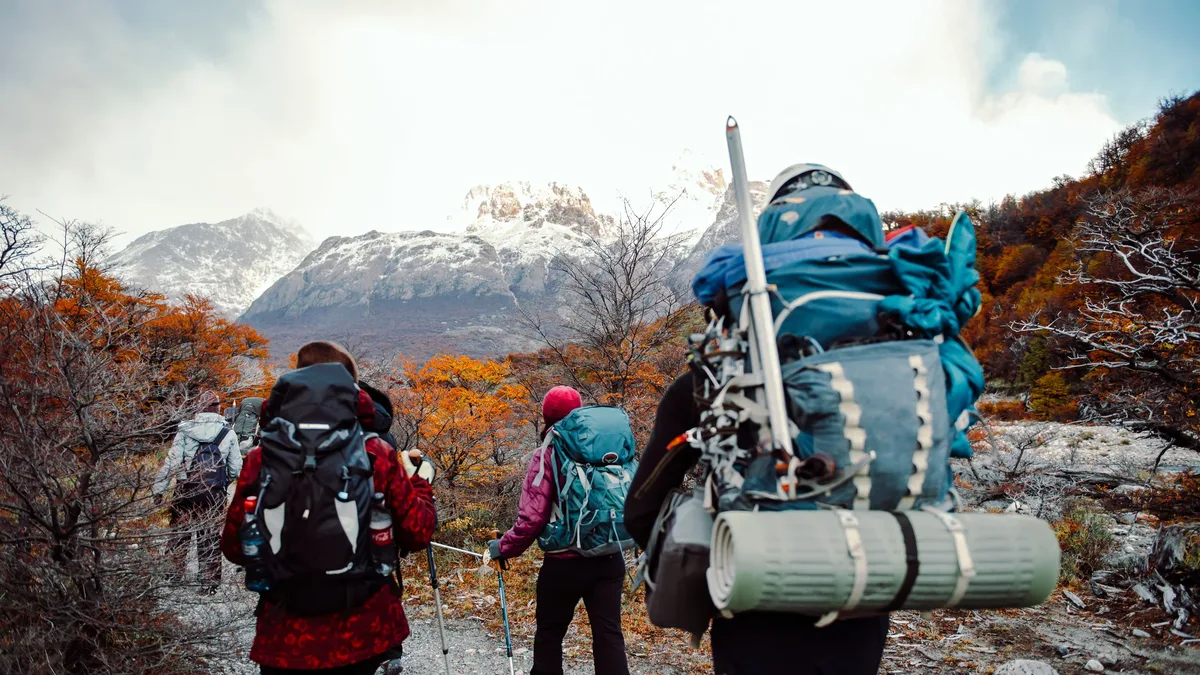
Hikers departing in a week for the Long Trail are grappling with pack weight and complex logistics, according to a personal account from The Trek. The planning process revealed stark differences in trail support compared to the Appalachian Trail (AT), which they hiked in 2025.
Major Logistics and Trail Differences
Logistics involve gear, food, sleep systems, and transportation. The hikers initially believed their planning was nearly complete, using leftover resupply boxes from their 2025 AT hike and familiarity with New England transit. They allocated two days for scheduling and two more for rearranging supplies, but this proved insufficient.
The free Long Trail End to Ender’s Guide from the Green Mountain Club was useful, though section numbering inconsistencies with the map caused confusion. Finding hostels, shuttle drivers, and viable hitchhiking points was more complicated and expensive than on the AT. The hikers also noted competition for reservations with autumn tourists, known as "leaf peepers."
A Contrast in Trail Culture
After days of research, the hikers secured a plan involving kind shuttle drivers and hostel operators. However, they observed that the primary market for these services in northern Vermont is urban visitors seeking relaxation, not thru-hikers needing showers, laundry, and food.
On the AT, trail towns have integrated hikers into their community identity and built systems to accommodate their rhythm. By contrast, the Long Trail experience feels like passing through a "normal" community, reminiscent of early thru-hiking days when hikers were a novelty.
Gear Adjustments for Weight Savings
With two planned food carries lasting eight days on the Long Trail, reducing base weight became critical. Their AT base weight was 12-14 pounds, with total pack weight typically 24-26 pounds, occasionally reaching the low 30s during long water carries.
| Item Category | 2025 AT Gear | LT Adjustment | Weight Impact |
|---|---|---|---|
| Warm Clothes | Grid fleece mid-layer | Switched to Alpha Direct hoodie, hat, mittens, wind shirt | New set: 10 oz (280g), similar weight to old fleece |
| Shelter | Big Agnes Copper Spur 3 tent | Switched to Durston Mid X Dome tent | Saved 1 pound |
| Power Supply | 30,000mAH power bank | Added a 10,000mAH Nitecore power bank | Added 5 ounces |
| Sleep System | Zinbivy bed | Added new pillows | Added 3 ounces |
The kitchen setup, featuring a Primus stove that uses 30% less fuel than Jetboil-style models, was unchanged. Scrutiny of other incidentals yielded minimal further savings.
Food Strategy and Calorie Management
The hikers' dehydrated dinner meals from their AT hike, at 500-600 calories each, were successful but maxed out on volume. They refined other meals to increase caloric intake without adding bulk.
Breakfast was boosted by 100 calories to a 450-calorie "power meal" designed for slow digestion. Lunch calories were increased by about 100 per meal through larger bean servings. To address a hiker's excessive weight loss on the previous trip, they plan to rely again on calorie-dense snacks, despite the weight penalty, to ensure sufficient healthy calories. The planning process centered on aligning town stops with food carry durations and pre-mailing winter gear like gloves and hats for later in the hike.