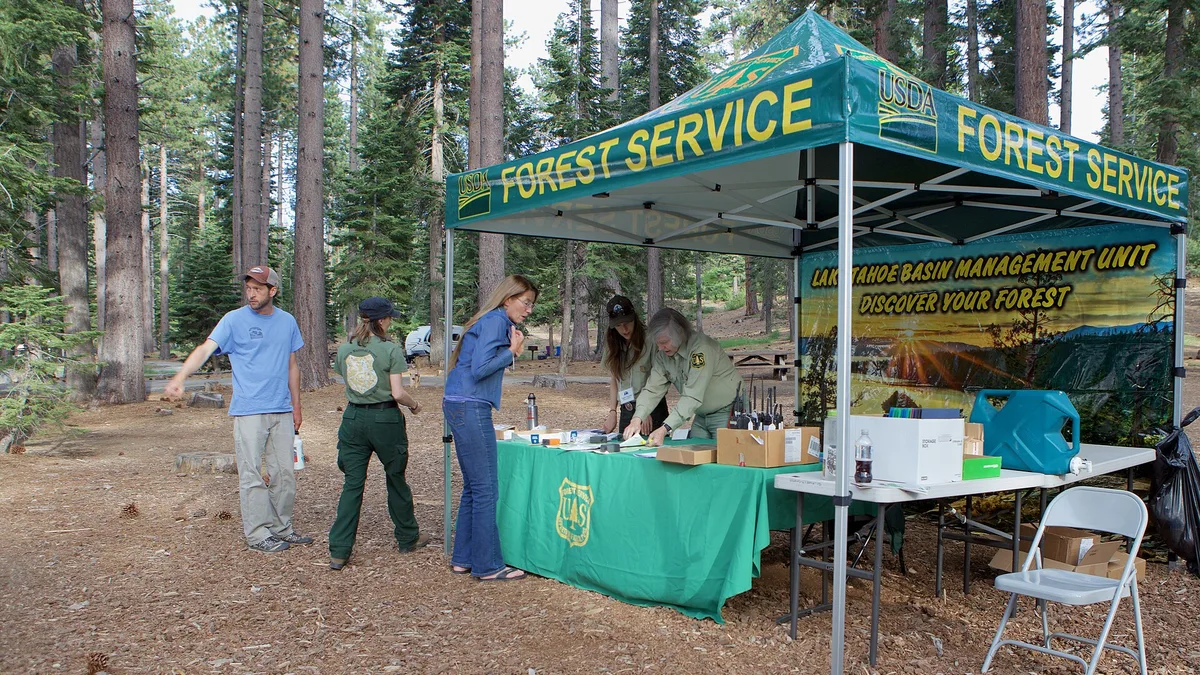
Wilderness First Aid
| Route | Backcountry trails and remote wilderness areas |
|---|---|
| Permit | Wilderness permit (varies by jurisdiction) |
| Skill demand | Intermediate to advanced outdoor proficiency |
| Original use | Providing emergency care in remote settings |
| First created | Late 20th century (as a formal discipline) |
| Core focus | Extended care and evacuation decision-making |
| Typical duration of training | 2 to 3 days (for basic certification) |
Origin and history
Wilderness First Aid is a formalized discipline that originated in the United States during the latter half of the 20th century. Its development is closely tied to the expansion of outdoor recreational activities and the recognized inadequacy of urban first aid protocols in remote settings. Key organizations, such as the National Outdoor Leadership School (NOLS) and the Wilderness Medical Society, were instrumental in its early systematization during the 1970s and 1980s. The foundational philosophy was established by medical professionals and seasoned outdoor educators who recognized the unique challenges of prolonged field care. This period saw the creation of standardized curricula that differentiated wilderness medicine from traditional first response. The evolution of these practices was driven by the need to manage injuries and illnesses hours or days from definitive medical care, using limited resources.
What it is for
Wilderness First Aid provides the knowledge and skills to manage medical emergencies in environments where ambulance response is delayed or impossible. Its primary purpose is to stabilize a patient and make sound decisions about evacuation versus continued care in a remote setting. The protocols specifically address common issues encountered in the backcountry, such as hypothermia, heat illness, traumatic wounds, and musculoskeletal injuries like sprains and fractures. A core component is training the responder to conduct a thorough patient assessment while considering environmental factors like weather and terrain. It emphasizes improvisation, using available gear to create splints, shelters, or litter systems for patient transport. Crucially, it includes guidelines for determining the urgency of evacuation and communicating effectively with rescue services, forming a critical bridge between the incident site and advanced medical care.
Pros and cons
A significant advantage of Wilderness First Aid training is the empowerment and confidence it provides to individuals traveling in remote areas, enabling them to handle crises that would otherwise be catastrophic. The systematic approach to patient assessment helps avoid missing critical injuries in stressful situations. However, a common mistake is the overconfidence it can instill, leading some to attempt overly complex interventions beyond their training level or to delay necessary evacuation. Those who regret choosing a shorter, more basic Wilderness First Aid course often find themselves unprepared for multi-day care scenarios or critical decision-making under severe environmental stress. A genuine con is that skills degrade quickly without practice, and the course itself is not a substitute for the deeper knowledge of a Wilderness First Responder or Wilderness EMT certification for leadership roles. Furthermore, the improvisational nature of some techniques can lead to error if fundamental principles are not thoroughly understood.
Who it suits
This training is suited for outdoor enthusiasts who venture into areas where cellular service is unreliable and distances from trailheads are significant, such as hikers, backpackers, and car campers in national parks. It is a fundamental requirement for individuals in non-professional outdoor leadership roles, such as scout leaders, field research assistants, or church group trip organizers. Participants in outdoor sports like kayaking, rock climbing, or backcountry skiing, where specific injury patterns are common, benefit greatly from the focused content. It is also highly appropriate for travelers visiting remote international destinations where local medical infrastructure is limited. The course is ideally undertaken by those willing to periodically refresh their skills and carry an appropriate first aid kit tailored to their activities. It is less suited for those operating in extremely high-risk, multi-week expeditions, for whom a higher level of certification is necessary.
Latest Wilderness First Aid news
Latest reporting
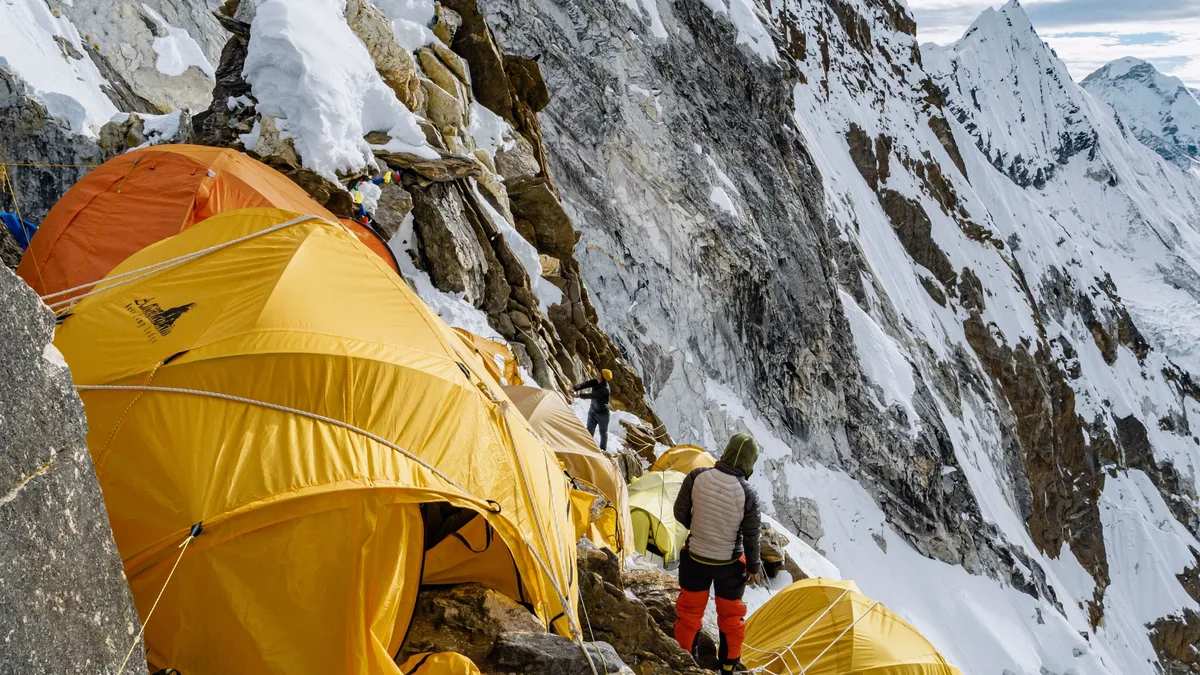
PCT Hiker Rescued After Winter Storm Collapses Tent in Goat
A hiker in his 20s was rescued from Washington's Goat Rocks Wilderness after a severe winter storm collapsed his tent, leaving him hypothermic and...
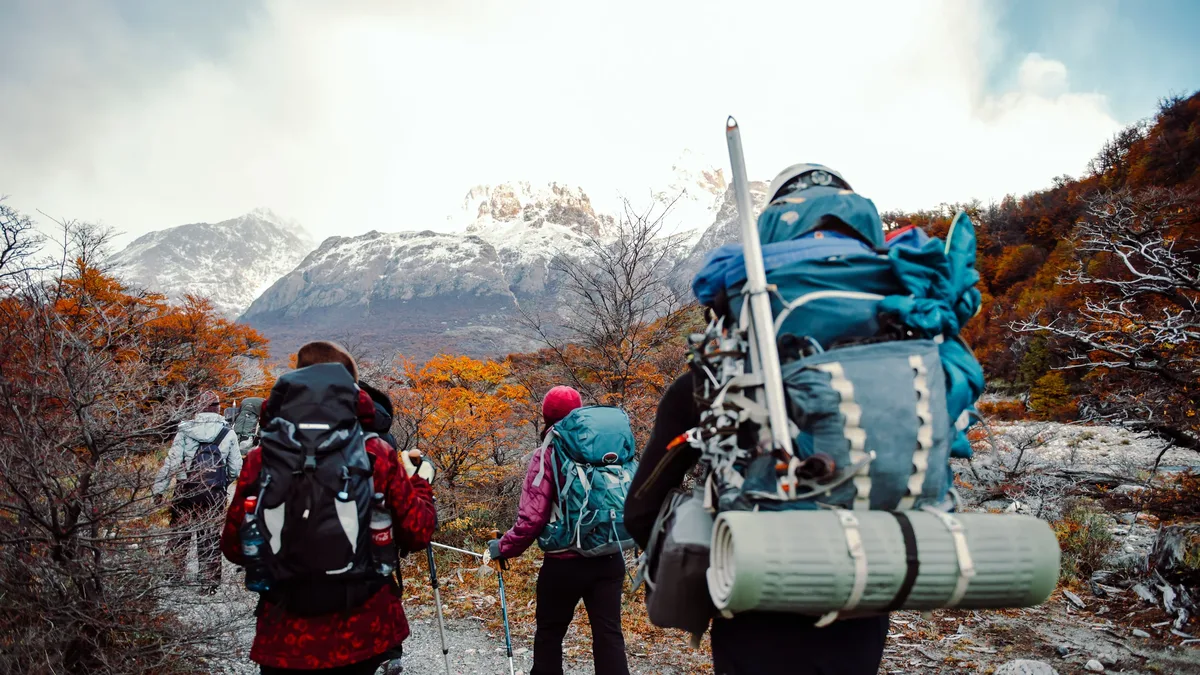
PCT Hikers Find Joy in Rain-Soaked Goat Rocks Trek
A group of Pacific Crest Trail hikers endure days of cold rain and fog through Washington's Goat Rocks Wilderness, discovering a focused camaraderie...
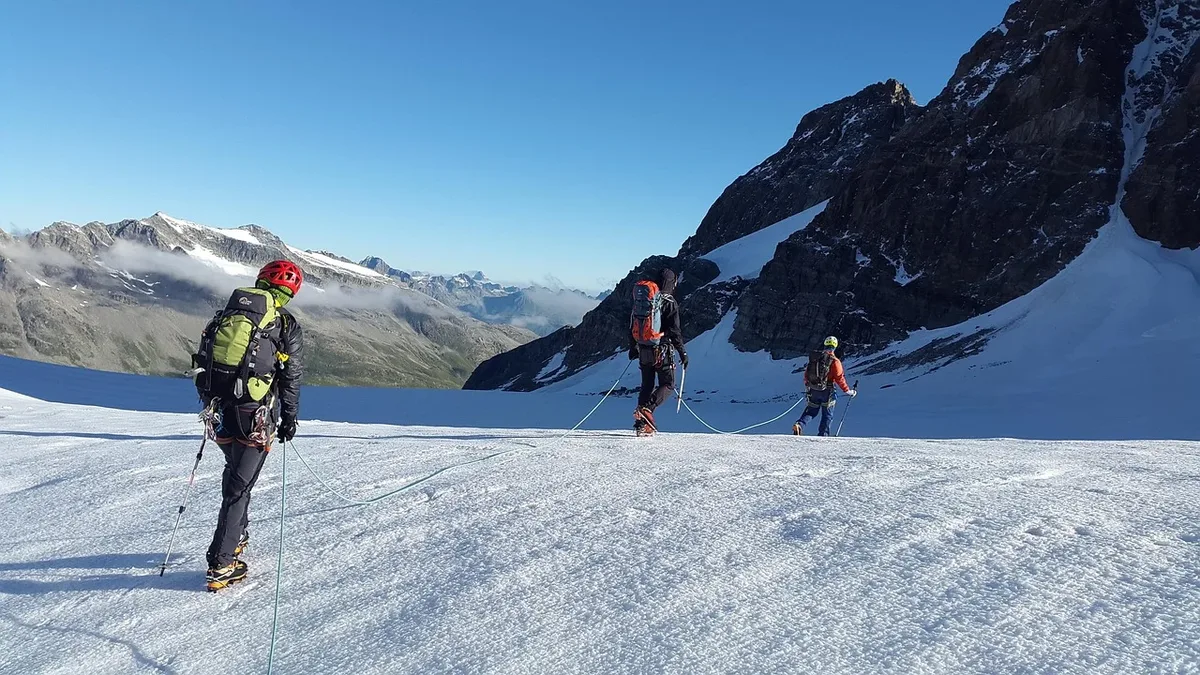
Huber's Team Claims First Ascent on Pakistan's Biacherahi
German climber Thomas Huber, with Spanish partners Victor Sans and Miquel Mas, has completed a new 600-meter route on Pakistan's 5,700m Biacherahi...

Arc'teryx Launches $1,200 Circular Hardshell Jacket
Arc'teryx introduces the Sperro SV, a $1,200 hardshell designed for long-term use and recyclability. The jacket is the first product under the...
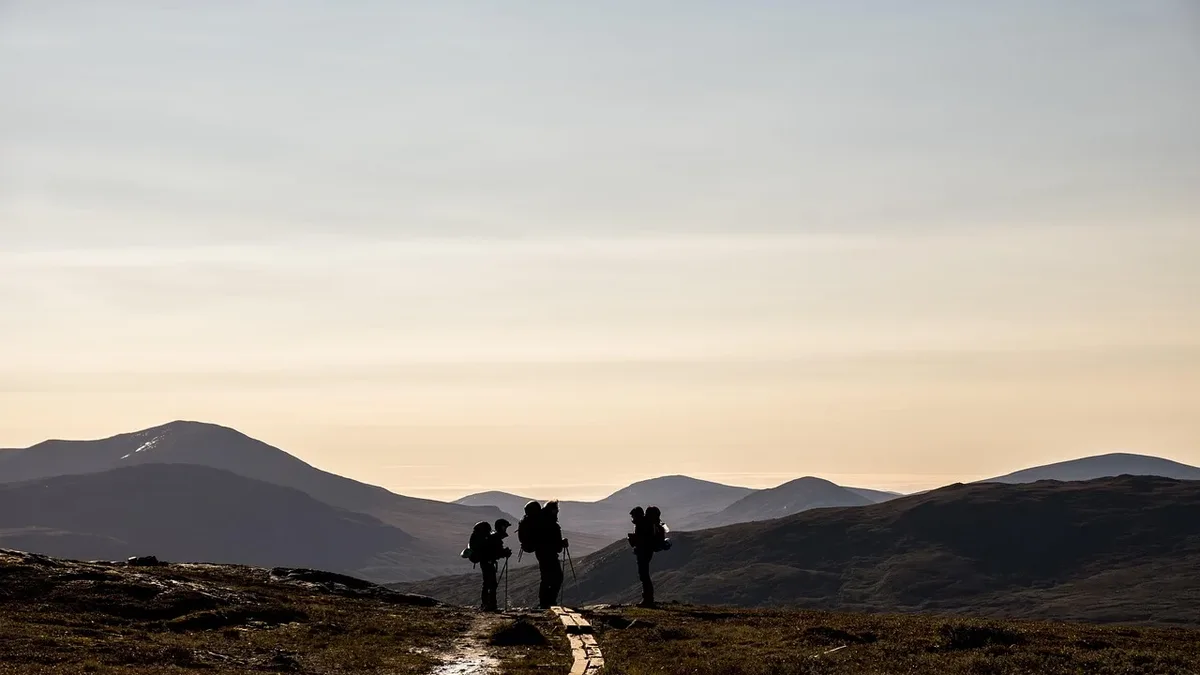
Mountaineers Offer Women and Non-Binary Navigation Course
The Mountaineers in Seattle will run a Wilderness Navigation course in November 2026 for women and non-binary participants and instructors, costing...

Mountaineers Seattle Offers Wilderness Navigation Course
The Mountaineers' Seattle branch will run a Wilderness Navigation course from October 30 to November 15, 2026.