Great Smoky Mountains
| Route | Appalachian Trail (section) |
|---|---|
| Permit required | No (for the trail itself) |
| Skill level | Beginner to intermediate (for day hiking sections) |
| Total length | Varies (section within the park) |
| Primary use | Hiking, backpacking |
| Terrain | Mountainous, forested |
| Notable feature | Highest point on the Appalachian Trail (Clingmans Dome) |
Origin and history
The Great Smoky Mountains are a major mountain range located in the southeastern United States, along the border between Tennessee and North Carolina. The name derives from the natural blue haze, caused by volatile organic compounds released by the dense vegetation, that often shrouds the peaks and valleys. For millennia, the region was inhabited by Cherokee peoples, who referred to the area as "Shaconage," meaning "place of the blue smoke." European settlers began arriving in significant numbers in the late 18th and early 19th centuries, establishing logging and agricultural communities. In the early 20th century, a movement to preserve the area from extensive logging gained momentum, spearheaded by individuals and auto clubs. This effort culminated in the formal establishment of Great Smoky Mountains National Park by the United States government in the 1930s, with the park officially dedicated in 1940.
What it is for
Great Smoky Mountains National Park is a federally protected area established to conserve the diverse natural and cultural resources of this portion of the Appalachian Mountains. Its primary purpose is the preservation of one of the largest remaining expanses of temperate deciduous forest in North America, which hosts exceptional biodiversity. The park serves as a vital sanctuary for thousands of plant and animal species, including the synchronous fireflies and the recovering black bear population. It functions as a living museum, protecting numerous historic structures, including log cabins, barns, and churches that illustrate Southern Appalachian mountain life from the late 19th to early 20th centuries. The park provides extensive opportunities for public recreation aligned with conservation, including hiking, wildlife viewing, fishing, and camping. Furthermore, it acts as a major scientific research site where biologists, ecologists, and climatologists study forest ecology, air quality impacts, and species adaptation.
Pros and cons
A primary advantage of Great Smoky Mountains National Park is its free entry, as it is one of the few major national parks that does not charge an admission fee, making it highly accessible. The dense forests and high peaks create a profoundly immersive natural experience with frequent wildlife sightings. A significant drawback is its immense popularity, which leads to severe overcrowding, particularly at iconic spots like Cades Cove, Newfound Gap, and Clingmans Dome during peak seasons, resulting in traffic congestion, full parking lots, and a diminished sense of solitude. Common mistakes include underestimating the terrain and weather, which can change rapidly, leading to unprepared hikers facing hypothermia or becoming lost. Many visitors regret choosing only the most famous, crowded stops and miss the park's deeper tranquility found on lesser-known trails, while others find the summer haze and humidity oppressive and the frequent low cloud cover at higher elevations can obstruct the famed panoramic views.
Who it suits
The park suits day-trippers and families seeking easily accessible scenic drives, picnic areas, and short, paved interpretive trails like the one to Laurel Falls. It is ideal for dedicated day hikers who can explore its mid-range trails to waterfalls, balds, and historic sites, provided they arrive early to secure parking. Backpackers with proper permits and wilderness skills are suited for its extensive backcountry campsite and shelter system, allowing for multi-day treks along the Appalachian Trail and other remote paths. Wildlife enthusiasts and naturalists are well-suited here, given the park's status as a biodiversity hotspot for salamanders, birds, and wildflowers. It also appeals strongly to history buffs interested in pre-Park settlement era, as the preserved mountain homesteads and mills offer a tangible connection to the past. The park is less suited for those seeking dramatic, arid mountain vistas or guaranteed clear weather, and it is a poor choice for visitors who dislike crowds or who prefer highly developed tourist amenities and nightlife.
Latest Great Smoky Mountains news
Latest reporting
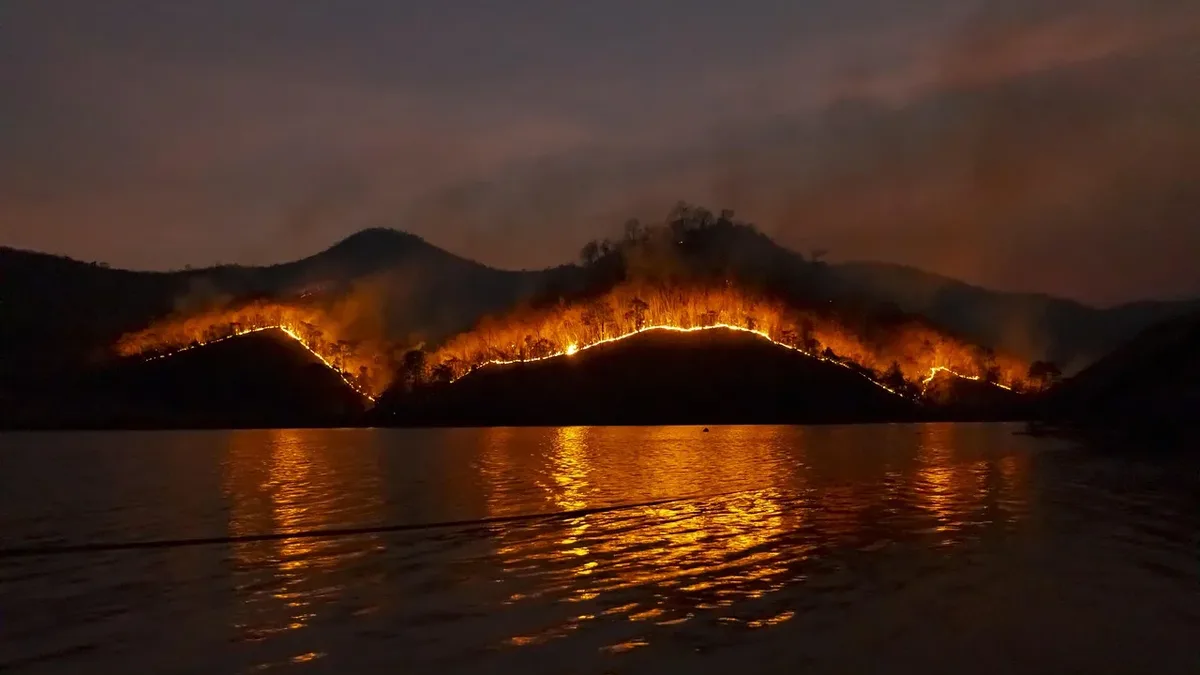
Wild River Fire Threatens Appalachian Trail in White Mountains
A human-caused wildfire in New Hampshire's White Mountains has burned over 865 acres near the Appalachian Trail, prompting trail closures and a major...

Thru-Hiker Confronts the White Mountains' Legendary Climbs
An Appalachian Trail thru-hiker details the physical and mental test of New Hampshire's White Mountains.
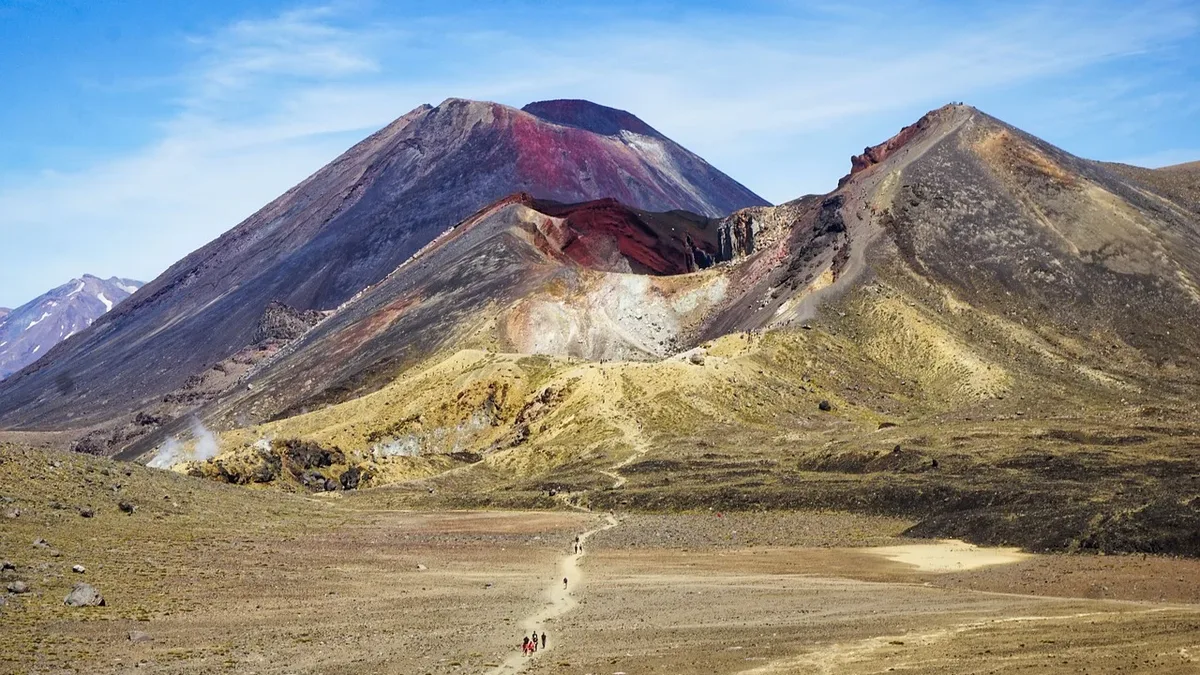
Hikers Transition from Arid West to Vermont's Green Mountains
A hiker's journal details a five-day segment on the Appalachian and Long Trails, moving from Massachusetts into Vermont.
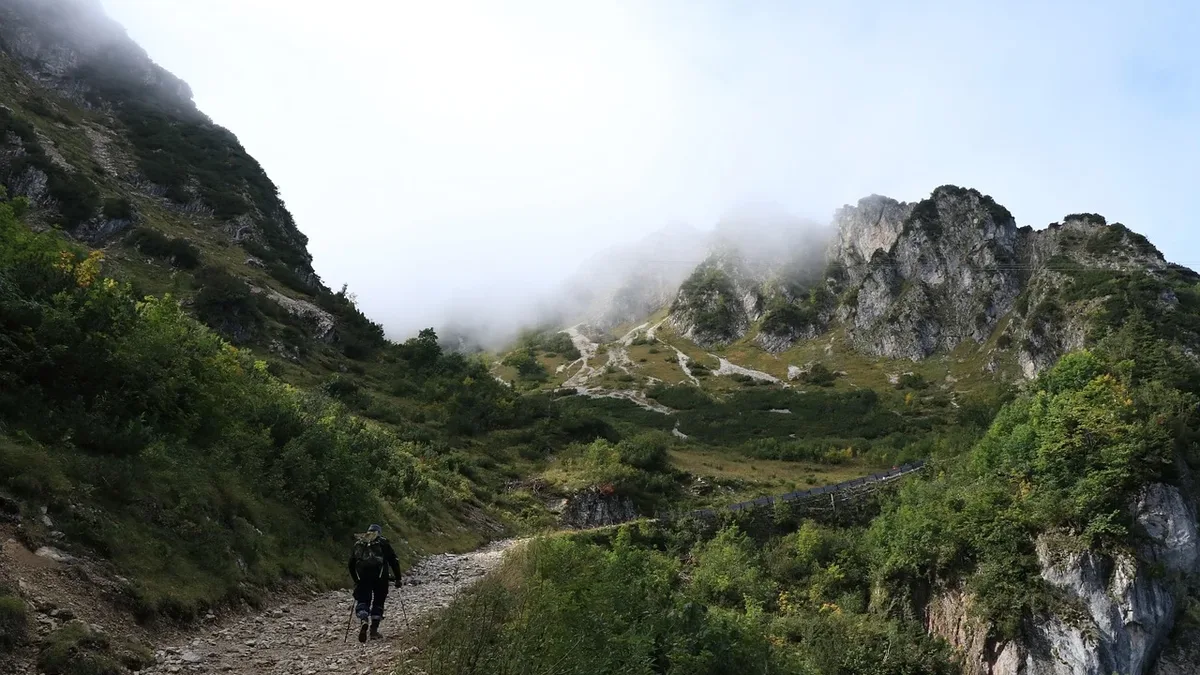
Thru-Hiker Survives White Mountains and Southern Maine
A thru-hiker recounts the extreme physical challenge and scenic rewards of the Appalachian Trail's White Mountains and Southern Maine sections.
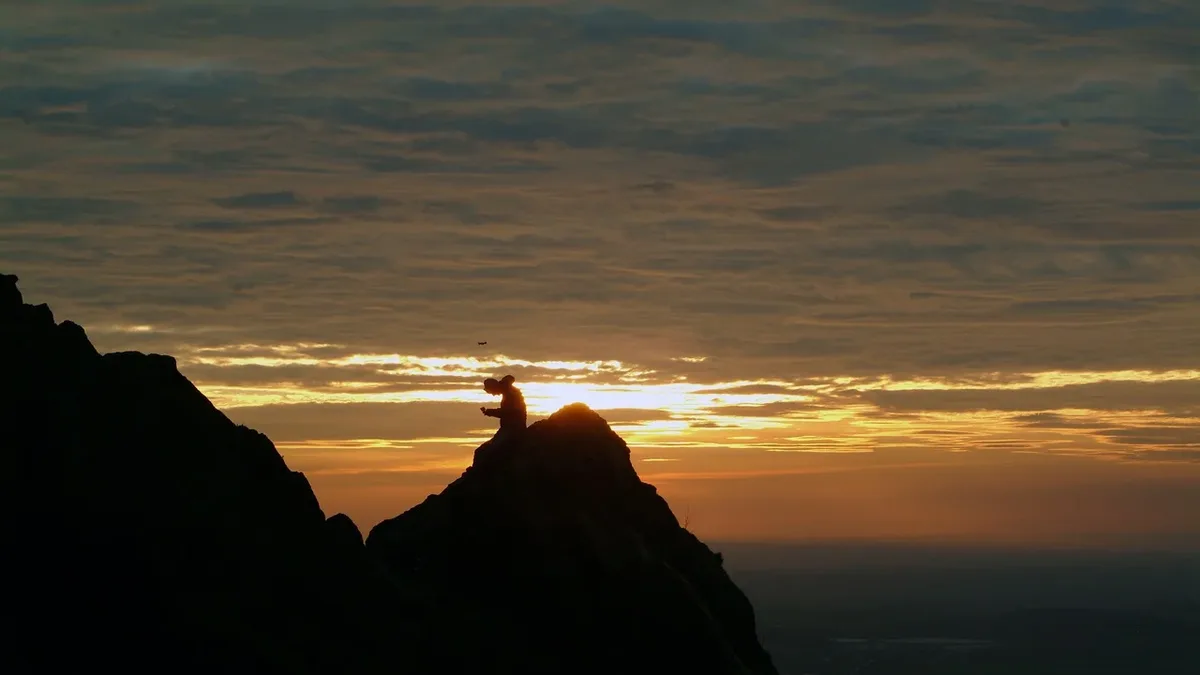
Killington Peak Sunrise: Final AT Moment
Turkenna, a thru-hiker on the Appalachian Trail, finished her 1700-mile trek by summiting Killington Peak at sunrise. The final day included a water...
The Great Crossing: ECT Hiker Prepares for Mountainous Terrain
A long-distance hiker embarks on the final days of the coastal section of the International Appalachian Trail, preparing for the challenging...