Thru-Hiker Survives White Mountains and Southern Maine
A thru-hiker recounts the extreme physical challenge and scenic rewards of the Appalachian Trail's White Mountains and Southern Maine sections, detailing
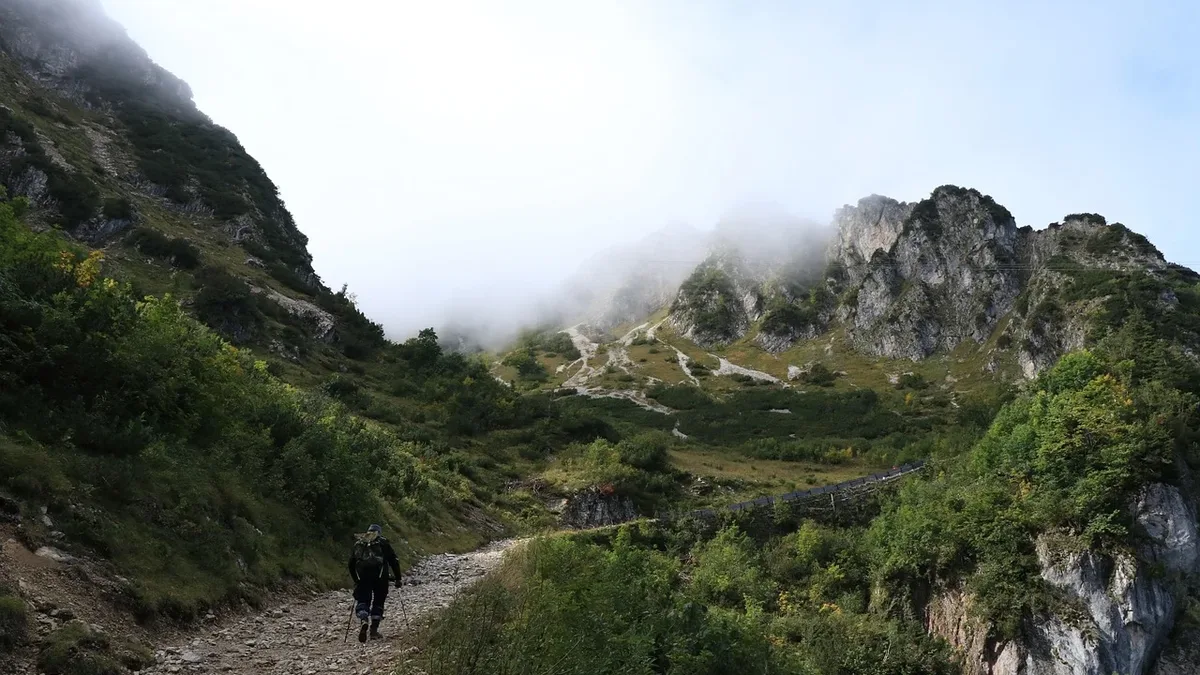
A thru-hiker known as Veto has crossed the 2,000-mile mark on the Appalachian Trail, with 150 miles remaining. The hiker is recovering in Carratunk, Maine, after handling what they describe as the trail's hardest section through New Hampshire's White Mountains and Southern Maine.
The Challenge of the Whites
The terrain in the White Mountains featured steep daily climbs and descents that tested the hiker's legs and slowed their pace to about one mile per hour in places. The area also reintroduced the hiker to tourism pressures, with limited campsites often occupied by weekend or section hikers. The Appalachian Mountain Club manages camping in the Whites, requiring fees for all sites, though thru-hikers can obtain a pass for reduced rates. The pass also provides access to leftover food at the system's reservation-only huts, where thru-hikers can sometimes work for stay.
Most peaks in the range exceed 4,000 feet, requiring careful weather planning. The hiker's group rescheduled their ascent of Mount Washington, known for extreme weather and recorded winds over 200 miles per hour, to avoid forecast thunderstorms. They used a shuttle to skip ahead and hike a safer section, returning later to complete the climb.
Highlights and Hardships
Specific climbs defined the experience. Mount Moosilauke served as the first major peak, encountered in heavy rain and bone-chilling wind. Franconia Ridge offered expansive views of the upcoming trail. The Presidential Range, including Mounts Washington and Madison, made for a demanding 15-mile day that lasted from 7:30 a.m. To 8:30 p.m. The Wildcat peaks involved difficult rock scrambles that again reduced speed to under a mile per hour.
After exiting the Whites, the hiker stayed at The Libby Hostel in Gorham, New Hampshire, where they reunited with an old trail friend named Jetlag.
Entering Southern Maine
Crossing into Maine brought a mix of triumph and loneliness, as the hiker's trail family, or 'tramily,' had dispersed in the Whites. Hiking solo, they immediately faced the severe challenges of Southern Maine. The 30 miles between the 1,900-mile mark and Grafton Notch were among the hardest endured.
The Mahoosuc Notch, a 0.8-mile boulder field, took nearly two hours to handle and involved perilous jumps and drops. It was followed by the steep climb of the Mahoosuc Arm. That 14-mile day required about 12 hours of effort. Despite the difficulty, the section offered panoramic views from peaks like Bald Pate Mountain, which the hiker found windier than Mount Washington.
The final obstacle before the current rest stop at the Sterling Inn was the Kennebec River. A seasonal ferry service, complementary for thru-hikers, provides the official crossing. The hiker is now preparing for the final push through the 100-Mile Wilderness to Mount Katahdin.