Grand Teton
| Route | Jenny Lake Trail to Cascade Canyon |
|---|---|
| Permit required | Backcountry camping permit |
| Skill level | Intermediate to advanced hiking |
| Primary use | Hiking and mountaineering |
| Notable feature | Teton Range views and glacial lakes |
| Season | Summer to early fall |
| Terrain | Mountainous with significant elevation gain |
Origin and history
Grand Teton National Park is located in northwestern Wyoming, United States. The park's establishment was a protracted process, beginning with local advocacy in the late 19th century. Initial protection came in the 1920s when the core Teton Range was designated a national park, though this original version was much smaller than the present park. Significant expansion occurred in the 1940s through the donation of key valley lands by John D. Rockefeller, Jr., who had been acquiring property for this purpose for decades. The present boundaries, encompassing both the dramatic mountains and the vital Jackson Hole valley, were finalized in 1950. This history reflects a classic American conservation narrative involving public sentiment, private philanthropy, and federal action to preserve a landscape from development.
What it is for
Grand Teton National Park is a federally protected area designated to preserve a singularly dramatic mountain landscape and its associated ecosystems for public enjoyment and scientific study. The park's primary purpose is the conservation of the towering Teton Range, the glacially-carved Jackson Hole valley, and the watershed of the Snake River. It protects critical habitat for a wide array of wildlife, including elk, bison, moose, pronghorn, and grizzly bears, maintaining vital migration corridors like the Path of the Pronghorn. The park facilitates scientific research on geology, ecology, and climate change within this relatively intact ecosystem. It provides a designated space for public recreation that includes hiking, climbing, fishing, boating, and wildlife viewing, managed to minimize impact on the natural resources. Furthermore, it safeguards numerous cultural and historic sites, from prehistoric Indigenous presence to early homesteading and ranching history.
Pros and cons
A primary advantage of Grand Teton is the immediate, breathtaking visual impact of the mountain range rising abruptly from the valley floor, offering accessible and spectacular scenery from many park roads. The park's compact geography allows visitors to view wildlife and grand landscapes within a relatively concentrated area, often on a single day's drive. However, this accessibility is a double-edged sword, leading to significant congestion at popular turnouts, trailheads, and visitor centers during the peak summer season, which can detract from the sense of solitude. The park's high altitude and rapidly changing mountain weather are common pitfalls; visitors who underestimate these conditions risk exposure, altitude sickness, or being caught unprepared in sudden storms. Those who regret choosing Grand Teton often are visitors seeking a remote, crowd-free wilderness experience in July or August without a plan to venture far from the main park loop road. A common mistake is focusing solely on the iconic mountain views while neglecting the rich but more subtle biological and geological stories of the valley, river, and wetlands.
Who it suits
Grand Teton National Park suits scenic drive tourists and photographers seeking iconic mountain vistas that require minimal hiking to access, particularly along the Teton Park Road. It is ideal for wildlife enthusiasts with patience and appropriate optics, as the valley meadows and riverbanks offer reliable viewing opportunities for large mammals and birds. The park is a premier destination for intermediate to expert alpine climbers and mountaineers aiming to tackle the classic rock and ice routes of the Cathedral Group. Dedicated backpackers willing to secure permits and navigate bear country regulations will find solitude and challenging terrain on the Teton Crest Trail and other backcountry routes. It also suits anglers and boaters interested in the Snake River's blue-ribbon trout fisheries and scenic float trips. Finally, the park is well-suited for visitors combining a trip with neighboring Yellowstone National Park, as it offers a more concentrated, visually dramatic mountain experience compared to Yellowstone's vast, geothermally-focused landscape.
Latest Grand Teton news
Latest reporting

Banff Festival Crowns Listen and The Navigator as Top Winners
The 51st Banff Mountain Film Competition awarded its Grand Prize to *Listen* for its environmental message, while *The Navigator* won the Adventure...
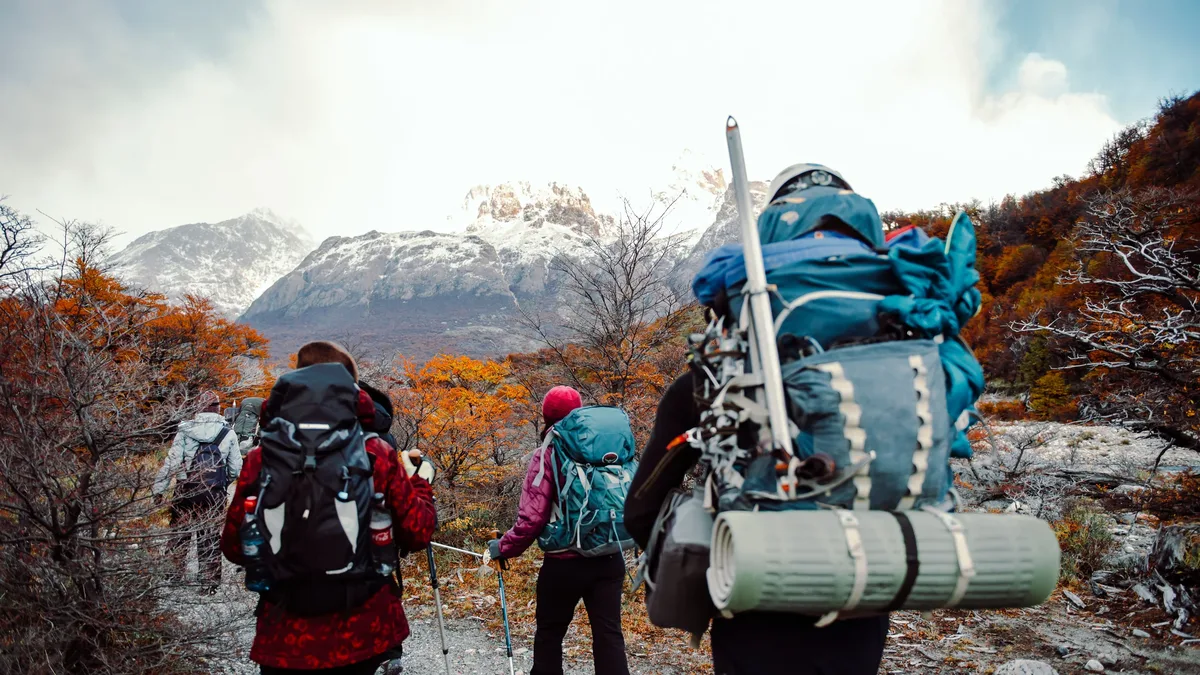
Arizona Trail hikers handle Grand Canyon closure to reach river
A group of Arizona Trail hikers used another backpacker's permits to descend into the Grand Canyon after the North Kaibab Trail section closed...
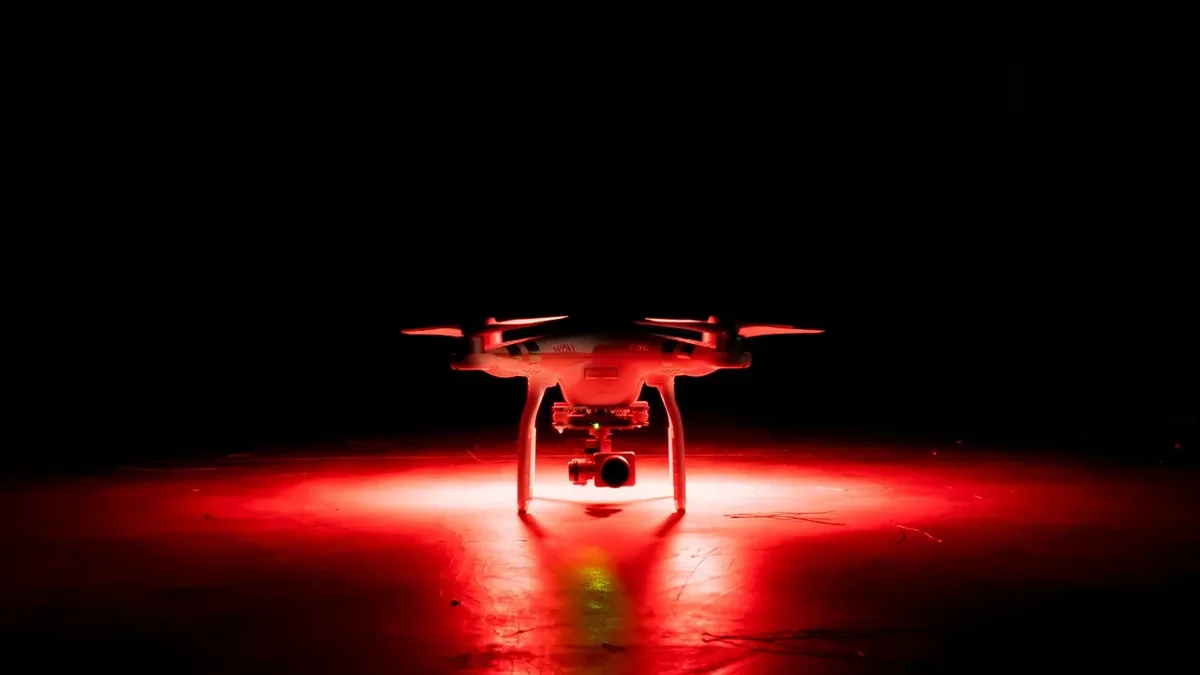
Colorado UTV Rescue Uses Spotlight Drones on 250-Foot Fall
Grand County Search and Rescue used drones with spotlights to perform a five-hour, overnight technical rope rescue after a UTV driver fell 250 feet.
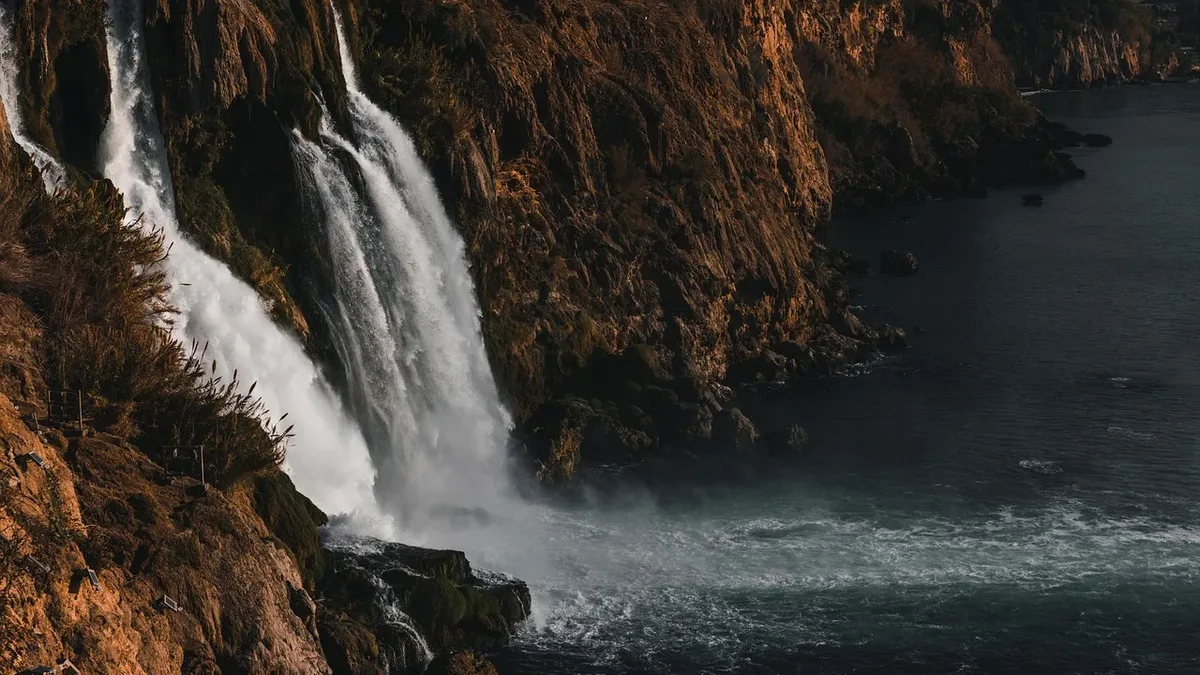
Mooney Falls Demands Permit, Skill, Nerve
A 200-foot waterfall in the Grand Canyon requires a $450 permit and a treacherous descent involving tunnels, chains, and ladders.
Starlink Satellites Darken National Parks
Starlink satellites are blinding night skies over Yellowstone and Grand Canyon, according to stargazing guide Alexandra Trunnell, who reports seeing...