Shackleton's Brother Suspected in Crown Jewels Theft
In 1907, as Ernest Shackleton neared the South Pole, his brother Frank became the prime suspect in the theft of the Irish Crown Jewels from Dublin Castle.
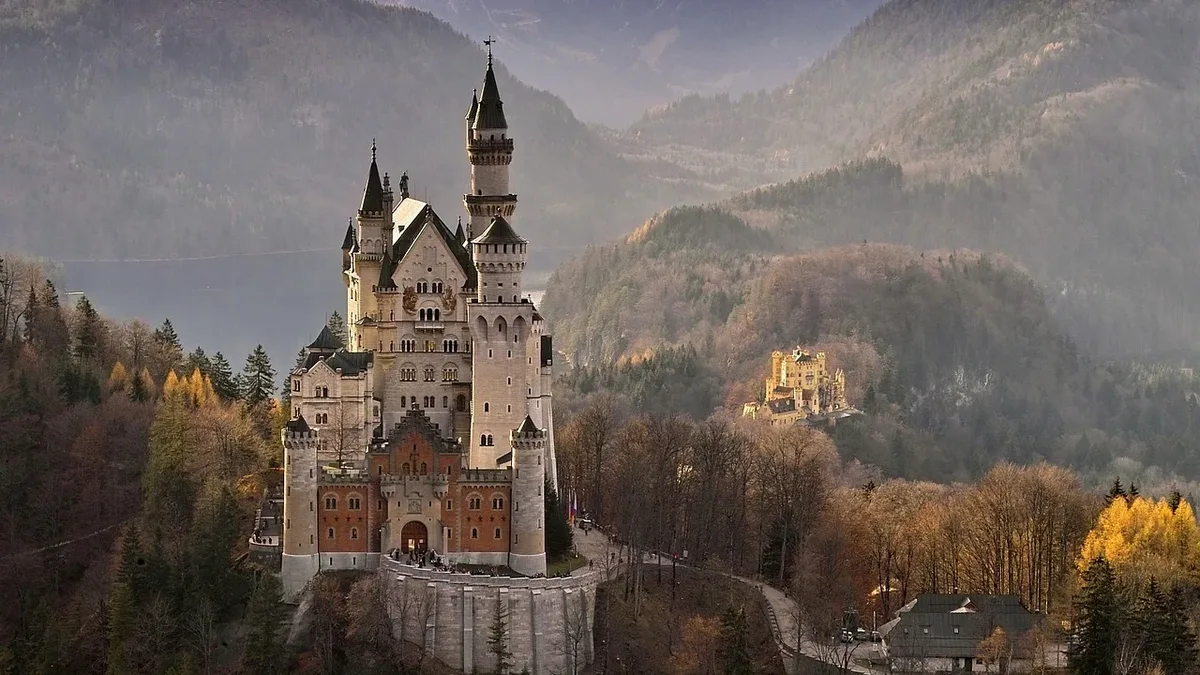
In July 1907, the Irish Crown Jewels were stolen from a supposedly secure library in Dublin Castle, and the prime suspect was Francis 'Frank' Shackleton, the younger brother of famed Antarctic explorer Ernest Shackleton.
Sir Arthur Vicars, the Ulster King of Arms responsible for the jewels, had stored them in an unlocked safe. He held private parties in the library where the safe was kept. One regular attendee was Frank Shackleton, who lived with Vicars and was deeply in debt.
The Disappearance
The cleaning lady, Mrs. Farrell, found the strongroom door open on July 6, 1907. Vicars discovered the safe unlocked and the jewels gone that afternoon. Police confirmed the thief had used a key. King Edward VII was furious, and Vicars was swiftly dismissed from his post. A commission was appointed to investigate.
It concluded the theft was an inside job. Vicars' lax security and frequent parties provided many opportunities. The commission had Vicars' written statement showing he suspected Frank Shackleton. Their coworker, Francis Goldney, also testified to his suspicion of Frank.
Frank Shackleton's Defense
On the stand, Frank Shackleton admitted he had frequently commented on how easy it would be to steal the jewels. He also made frequent allusions to certain powerful friends and connections. He testified that a letter from Vicars, which expressed hope Frank would cooperate since he 'evidently' knew the jewels' whereabouts, only referred to a false newspaper report.
Frank was a regular at Vicars' after-hours parties, which were also attended by prominent lords and government officials. The Dictionary of Irish Biography describes him as 'dapper and flamboyant.' He was living with Arthur Vicars, who had gotten him a sinecure as Dublin Herald and guaranteed several bills for him.
A Scandal Suppressed
The commission never charged Shackleton. Press reports soon revealed the drunken parties involved same-sex activity, which was illegal. If Shackleton was charged, he could implicate fellow attendees like the Lord Lieutenant's son and Edward VII's brother-in-law.
Ireland was nearing the 1916 Easter Rising, and trust in the British colonial government was low. Another public scandal at Dublin Castle was the last thing officials wanted. The commission's report suppressed Shackleton's name and omitted an earlier incident where the jewels were taken as a prank.
The Search and Theories
Sir Arthur Conan Doyle, a distant relation of Vicars, attempted to help by holding a seance. Spirits reportedly revealed the jewels were buried in a churchyard, but digging revealed nothing. The case later inspired Conan Doyle's Sherlock Holmes story The Bruce-Partington Plans.
In 1927, a Parisian jeweler contacted the newly independent Irish government, offering to sell the jewels back. The Irish Free State was not interested. A year later, the empty jewel case arrived in the mail without a note.
The commission could not confirm if Frank Shackleton was in Ireland at the time of the theft. Theories suggest an accomplice, Captain Richard Gorges. Vicars' half-brother, Pierce O'Mahony, claimed Shackleton and Gorges stole the jewels and took them to Amsterdam. Both men were quietly asked to leave the country. Gorges later allegedly bragged about his involvement while in prison for an unrelated crime.
A centenary report notes several relevant documents have since gone missing. The jewels, consisting of 394 precious stones, were likely broken up and sold anonymously. They were never recovered.