Search and Rescue Teams Face Record Callouts and Strain
Volunteer search and rescue teams across the U.S., particularly in mountain states, report being overburdened by high call volumes and financial pressures
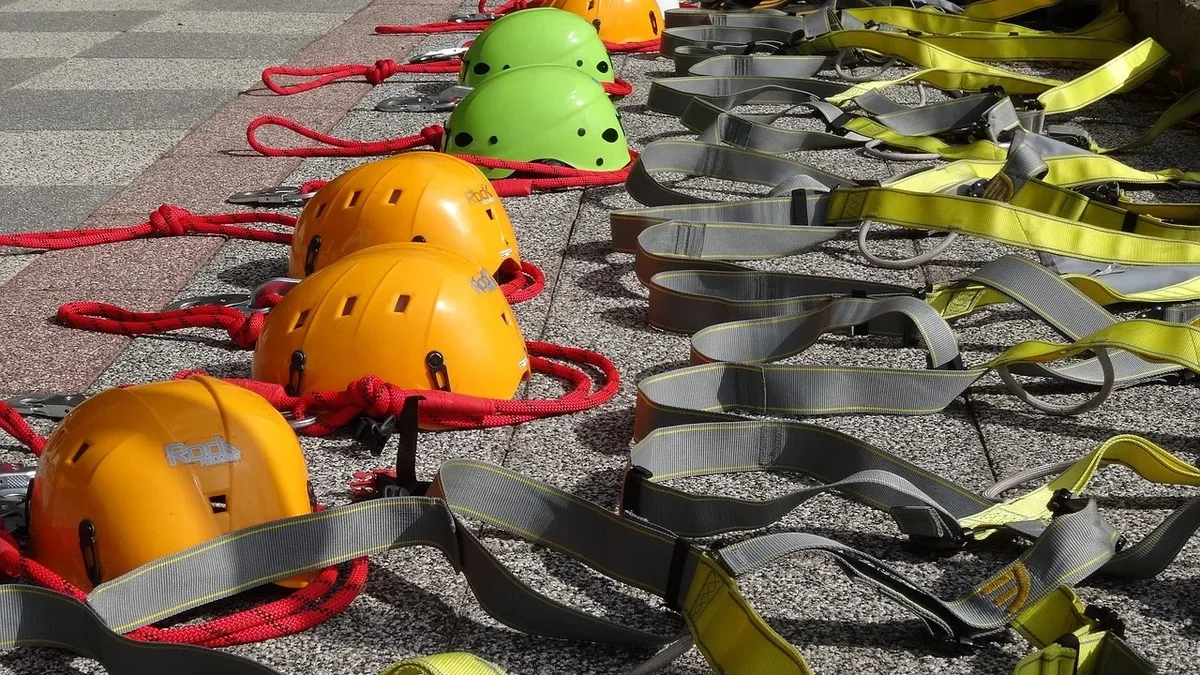
Volunteer search and rescue teams are reporting record callouts and significant strain, according to leaders in the field. The Mountain Rescue Association (MRA) President Chris Ruch states the system is "100 percent overburdened," citing increased call volume and technical complexity as primary stressors.
Rising Call Volumes in Key States
Data from specific states illustrates the pressure. Colorado reported a high of 3,000 rescues in 2025, while Washington reported 1,500 and Arizona reported 600. Anna DeBattiste of the Colorado Search and Rescue Association notes teams in states with 14,000-foot peaks are seeing more rescues this year. For instance, the Alpine Rescue Team in Jefferson County, Colorado, has already reached 120 calls, matching what it typically handles in an entire year.
| State | Reported Rescues (2025) |
|---|---|
| Colorado | 3,000 |
| Washington | 1,500 |
| Arizona | 600 |
Chris Ruch draws a parallel between the current surge and the post-World War II outdoor boom, linking today's increase to pandemic-inspired recreation and social media. His own team, the Allegheny Mountain Rescue Group in Pennsylvania, has more than doubled its missions since 2020, now handling over 50 per year.
Financial and Operational Strains
The term "overburdened" extends to financial pressure. Higher fuel costs are driving up expenses for team and member vehicles. Volunteers often pay for their own expensive gear, and teams must fund equipment replacement, new technology like drones, and ongoing training. While some states, like Colorado, offer funding programs, others do not. The Wyoming state senate rejected a measure to fund volunteer SAR in February.
Teams are also being tasked with non-traditional missions. Colorado State SAR Coordinator Trevin Montano cites examples where teams assisted with wildfire evacuations, such as Mesa County SAR helping rafters during the Turner Gulch Fire and Dolores County SAR aiding during the Stoner Mesa Fire.
The Volunteer Commitment
Joining a SAR team requires a major commitment of time and personal resources. Training can take several months, and active members must meet minimum response and training requirements. Calls come at all hours. "You might be sitting down for dinner or getting ready for bed when the call comes in," says Montano.
Despite the demands, volunteers find deep reward. "The only payment that you receive is the sense of accomplishment and meaning in human experiences and helping to save someone’s life," says Shane Ruzinsky, president of Albuquerque Mountain Rescue. Teams seek individuals with solid outdoor skills but also value diverse professional backgrounds-from finance and law to teaching and medicine-to enhance problem-solving.
Prospective volunteers should contact their county sheriff's department, or state police in New Mexico and Alaska, to find local teams. Most hold open monthly meetings. Jack Mitchell, MRA Rocky Mountain Region Chair, started at age 14 and says the work shapes character. "It's not a hobby, it's a job you're passionate about that you don't get paid for," he says.