Drone Delivers Rope and Jacket for Stawamus Chief Cliff
Squamish Search and Rescue used two drones to deliver a jacket, headlamp, and climbing rope to a stranded climber on the Alaska Highway route of the
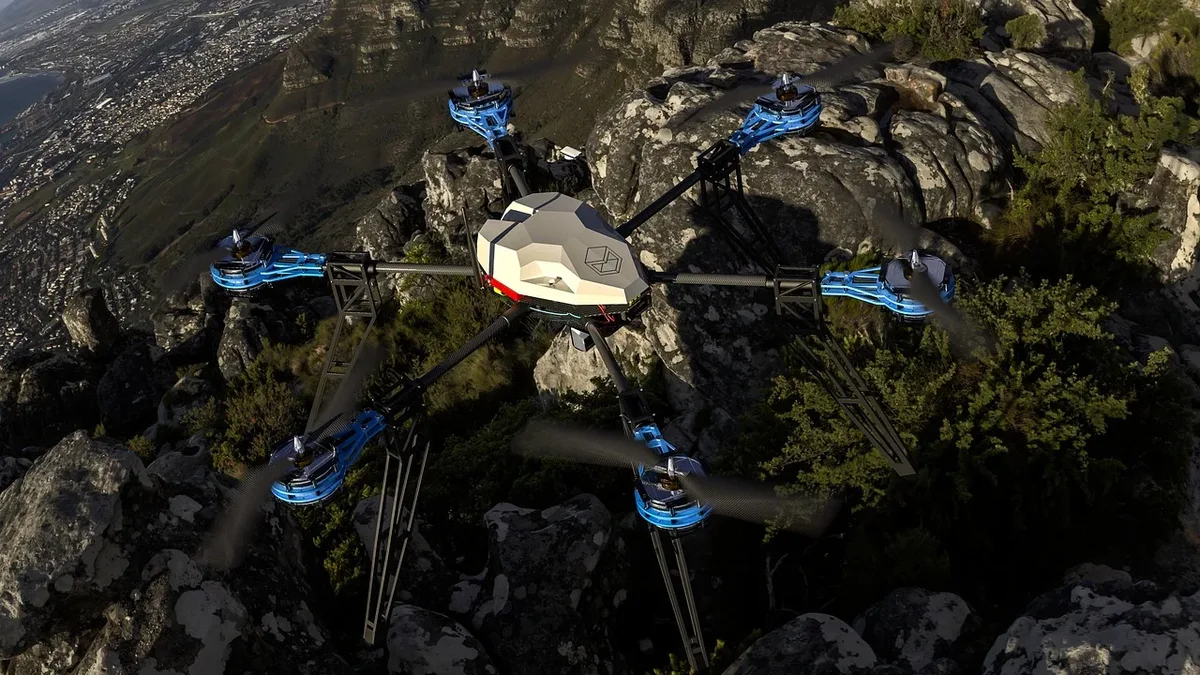
A climber stranded on a ten-inch ledge 250 feet up the Stawamus Chief in British Columbia was rescued using drones on September 10. Squamish Search and Rescue deployed the aircraft to deliver essential gear after the man became stuck on the multi-pitch Alaska Highway climbing route.
Dustin Wales, the 36-year-old drone program coordinator for Squamish Search and Rescue, told Outside that his team had spent two years preparing for such a scenario. The call came in after 10 P.M., with conditions making a traditional rope rescue or helicopter evacuation particularly difficult due to darkness and rockfall risk. "Both of those options being dangerous and challenging, the managers called up our drone team with a bit of an idea," Wales said.
The Rescue Operation
The stranded climber's two partners had already descended safely. Wales and five other rescuers met them and established communication with the man on the wall. They formulated a plan focused on using drones to deliver what he needed. "Through our communication, we were able to ask the climber if he was confident to come down, and also what he needed to come down," Wales explained.
The first drone flight delivered a pilot line. Once the climber grabbed it, rescuers on the ground attached a jacket and a headlamp, which he pulled up. This gear allowed him to stay warm and light his immediate surroundings on the granite monolith.
Drone Deployment and Gear Delivery
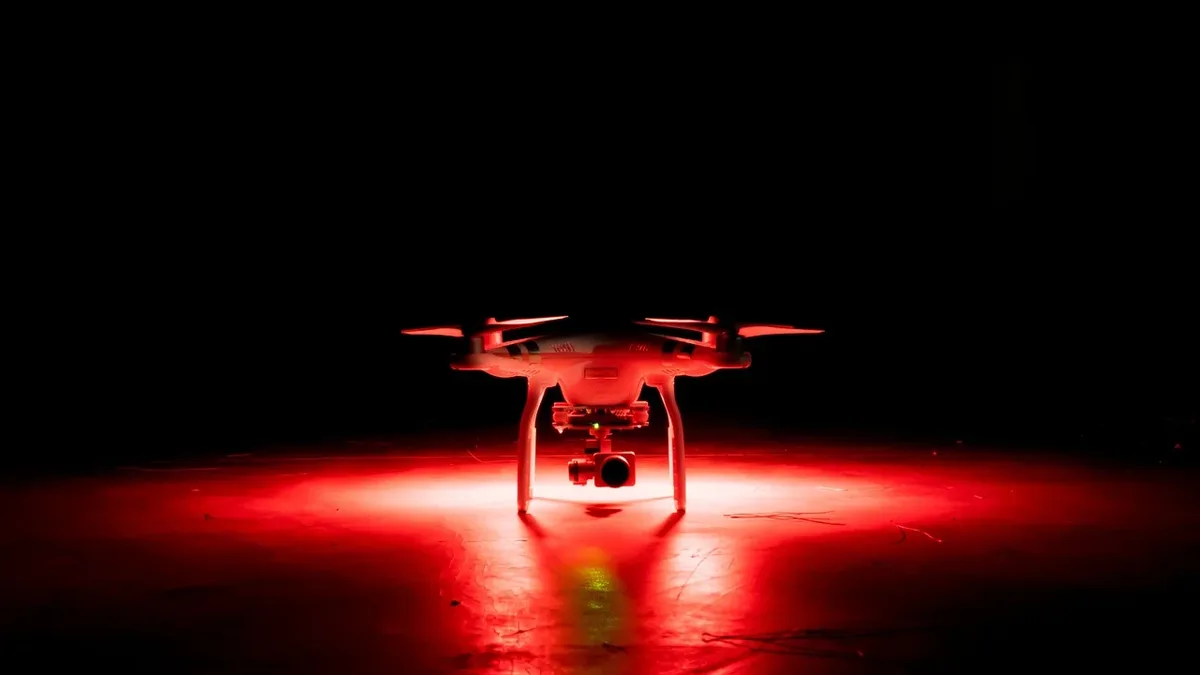
Using the drone's lasers and a rangefinder, the team measured the precise distance to the ground. They then deployed a second, larger drone equipped with a light to illuminate the cliff face. For the critical delivery, rescuers attached a 300-foot Dyneema pilot line from a smaller drone to a climbing rope. The thin-gauge, high-strength line was spooled out between a ground operator and the drone as it ascended.
Wales stated that the climber "captured the rope out of the air." The man then secured the line to his use and an anchor, enabling him to rappel to safety.
A New Tool for Wilderness Rescue
The successful mission highlights the expanding role of drones in wilderness rescue operations globally. Teams increasingly use them to locate lost individuals, drop supplies, and survey terrain. This incident demonstrated their capability to deliver specialized climbing equipment directly to someone in a precarious position.
Wales called the operation a significant achievement for his team's training and protocols. "This rescue is a great representation of flight skills, training, management, and practice," he said. There was cheering from the ground crew when the climber reached safety.