Wasp Stings Trigger Climbing Rescue in B.C
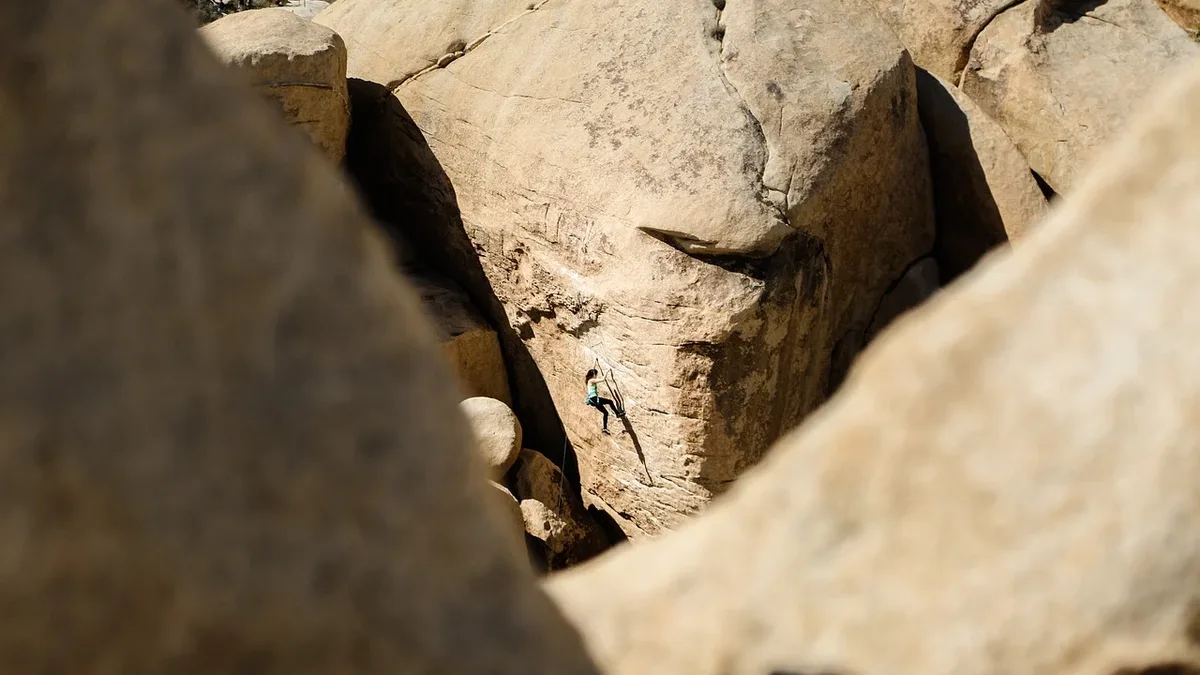
A 33-year-old climber suffered a systemic allergic reaction after being stung over a dozen times on Redoubt Wall, south of Vancouver, on August 25.
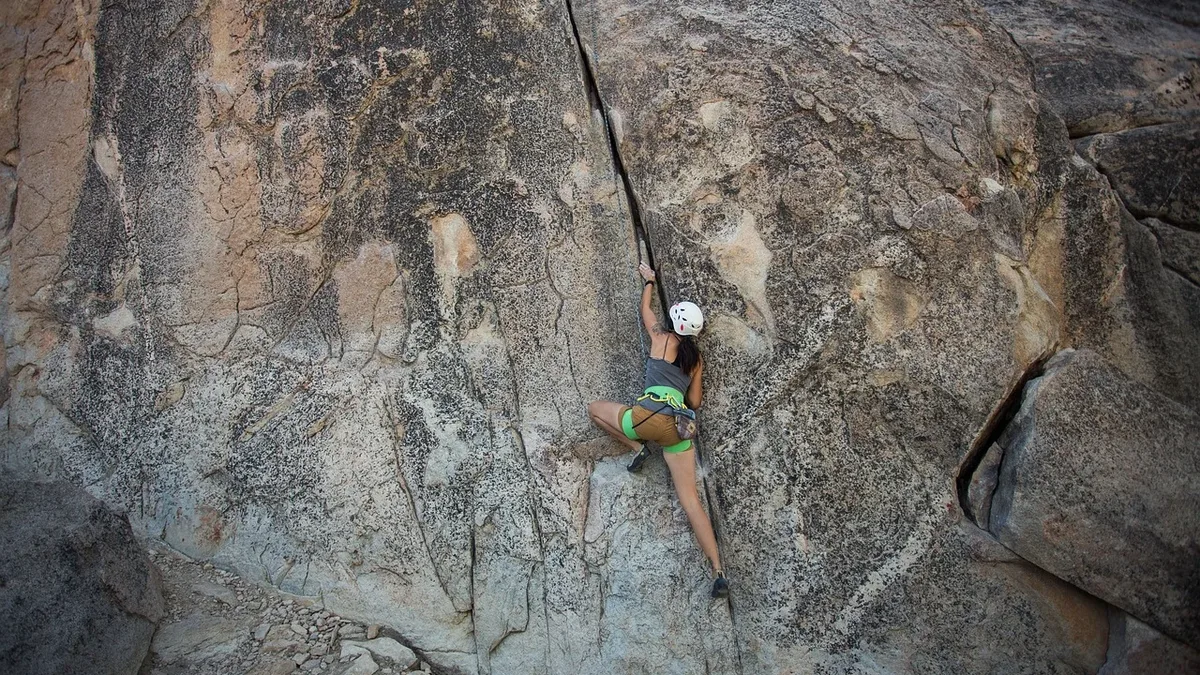
A 33-year-old female climber required a rescue after being stung more than a dozen times by wasps on August 25. The incident occurred as she and her partner were descending Redoubt Wall, a popular crag roughly 20 miles south of Vancouver.
Given the number of stings and the risk of a severe reaction, Lions Bay Search and Rescue (LBSAR) deployed a ground team equipped with emergency medical gear, including epinephrine. Search manager Maria Masiar told Outside that the climber was experiencing a full systemic allergic reaction with body-wide hives, dizziness, breathing difficulty, and low blood pressure.
Initial 911 reports suggested the experienced climber had been stung more than 100 times. Masiar clarified that the actual number was likely between 12 and 20 stings. "After assessing the subject, we believe that number was an overestimate," she said. "Regardless of the number of actual stings, the important issue was the systemic reaction of that much venom."
The Rescue Operation
North Shore Rescue helicopter crews and advanced medical providers hoisted the woman from the mountain. She was transferred to an ambulance for further care. Even a small number of wasp stings can escalate into a backcountry emergency. Allergic individuals risk anaphylaxis, which can cause breathing difficulties, swelling of the lips and throat, and dizziness.
Mild stings cause pain, swelling, and itching. Carrying an EpiPen, antihistamines, and an emergency satellite device can be crucial. This year has been particularly bad for wasps in southern British Columbia, according to Masiar.
Wasp Behavior and Nesting
Yellowjackets in the region nest in the ground, often concealing colonies under roots, rocks, or logs near trails. A person may not see a nest until they step near it, provoking dozens of wasps to defend their home. Unlike bees, wasps can sting repeatedly.
"Interestingly, a second climbing party descended through the same area about an hour later and was also stung by the same wasps, approximately 20 times," Masiar noted. That party did not develop a systemic reaction and hiked out independently.
By late summer, a single colony can contain hundreds or thousands of guardian wasps. "Wasp activity can remain significant into late summer and early fall," Masiar explained. "Colonies are at their largest at this time of year, and wasps can become increasingly active as their usual food sources begin to diminish."
The high abundance is partly due to a relatively mild winter followed by an early, warm spring. More queen yellowjackets survived hibernation to establish new colonies, which expanded by late summer. LBSAR tracks wasp nests across the province and asks the public to report sightings to its database.