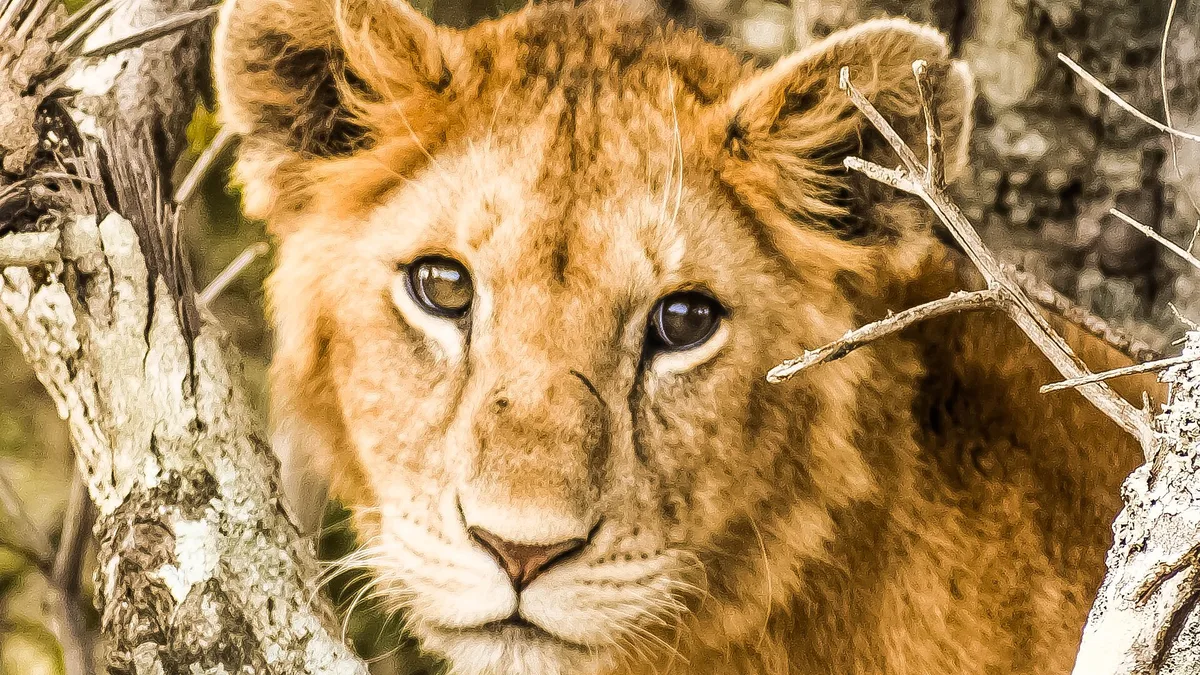
Wildlife
| Recall | Wildlife |
|---|---|
| Original use | Observation and tracking |
| Difficulty | Moderate to high |
| Physical demand | Medium to high |
| Typical terrain | Varied, often remote |
| Required knowledge | Animal behavior, local ecology |
| Common hazards | Unpredictable animals, environmental exposure |
| Typical duration | Hours to days |
Origin and history
The skill of wildlife tracking originates from the survival practices of indigenous and early human communities globally, with particularly well-documented traditions among hunter-gatherer societies in Africa, North America, and Australia. Its formalization as a recreational and professional skill in Western contexts began to develop in the late 19th and early 20th centuries. Pioneering naturalists and outdoorsmen of that era began to systematically document animal signs and behaviors, translating essential survival knowledge into a teachable discipline. The skill saw further codification in the mid-20th century through the work of survival schools and naturalist training programs. Its integration into fields like wildlife biology, conservation, and law enforcement established standardized methodologies. Today, it exists as a composite skill drawing from ancient global traditions and modern scientific ecology.
What it is for
Wildlife tracking is used to locate, identify, and monitor animals without direct observation, primarily through the interpretation of physical signs left in the environment. Its core purpose is to gather data on animal presence, movement, behavior, population dynamics, and health status. In ecological research and conservation management, it is fundamental for conducting population surveys, assessing habitat use, and detecting rare or elusive species. In a recreational context, it enhances naturalist observation, ethical hunting practices, and wilderness safety by increasing awareness of animal activity. In forensic applications, wildlife tracking is employed to investigate poaching, illegal trade, and human-wildlife conflict incidents. The skill also serves as a critical tool for search and rescue operations in wilderness areas to locate missing persons by distinguishing human signs from animal activity.
Pros and cons
A primary advantage of wildlife tracking is that it provides non-invasive, long-term data on animal populations, causing minimal disturbance compared to capture or tagging methods. It allows for the monitoring of elusive, nocturnal, or sensitive species that are rarely observed directly. A significant con is the high degree of uncertainty and potential for misidentification; sign can be degraded by weather, substrate, or the activity of other animals, leading to incorrect conclusions. The skill has a steep learning curve requiring hundreds of hours of practice to achieve reliability, and even experts can make errors in suboptimal conditions. Practitioners often regret underestimating the time and physical commitment required for systematic tracking, which can involve long periods with little reward. A common mistake for beginners is "track fixation," or focusing solely on a single clear print while ignoring the broader trail pattern, habitat context, and other sign types, leading to flawed interpretations.
Who it suits
This skill suits individuals with innate patience, acute attention to detail, and a preference for methodical, solitary fieldwork over fast-paced, collaborative environments. It is well-matched for wildlife biologists, ecologists, and conservation officers whose research or enforcement duties require monitoring animal presence and behavior without direct interference. Dedicated amateur naturalists and birdwatchers seeking a deeper understanding of animal lives often find tracking a rewarding extension of their hobby. The skill also suits professionals in search and rescue, park rangers, and forensic investigators specializing in wildlife crime. It is less suited for those seeking immediate, guaranteed results or who are uncomfortable with ambiguity, as tracking often involves probabilistic conclusions rather than certainties. Individuals with strong physical constitutions who thrive in outdoor conditions across seasons are best positioned to develop and apply the skill effectively.
Latest Wildlife news
Latest reporting
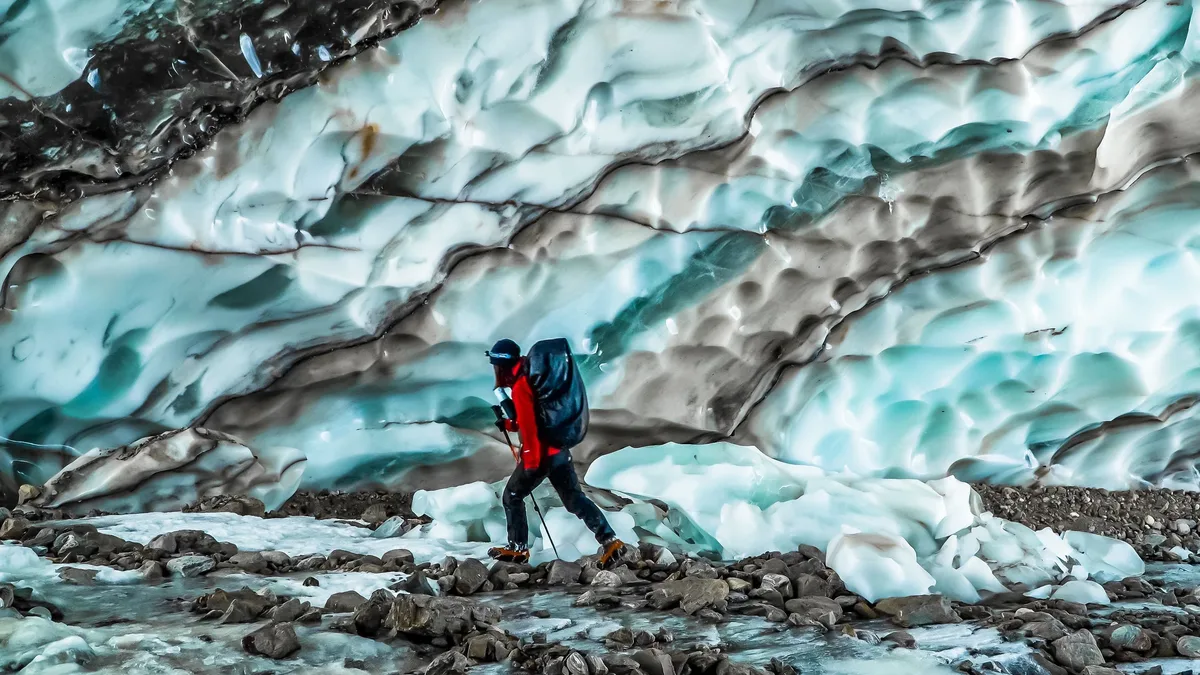
PCT Hiker Encounters Aggressive Mice, Glaciers in Washington
A Pacific Crest Trail hiker's journey through southern Washington featured aggressive wildlife, a glacier slide, and trail closures due to wildfires
Colorado Bear Euthanized After Ingesting Trash Bags
A black bear in Durango was euthanized by Colorado Parks and Wildlife after its intestines were blocked by trash, highlighting a record year for bear
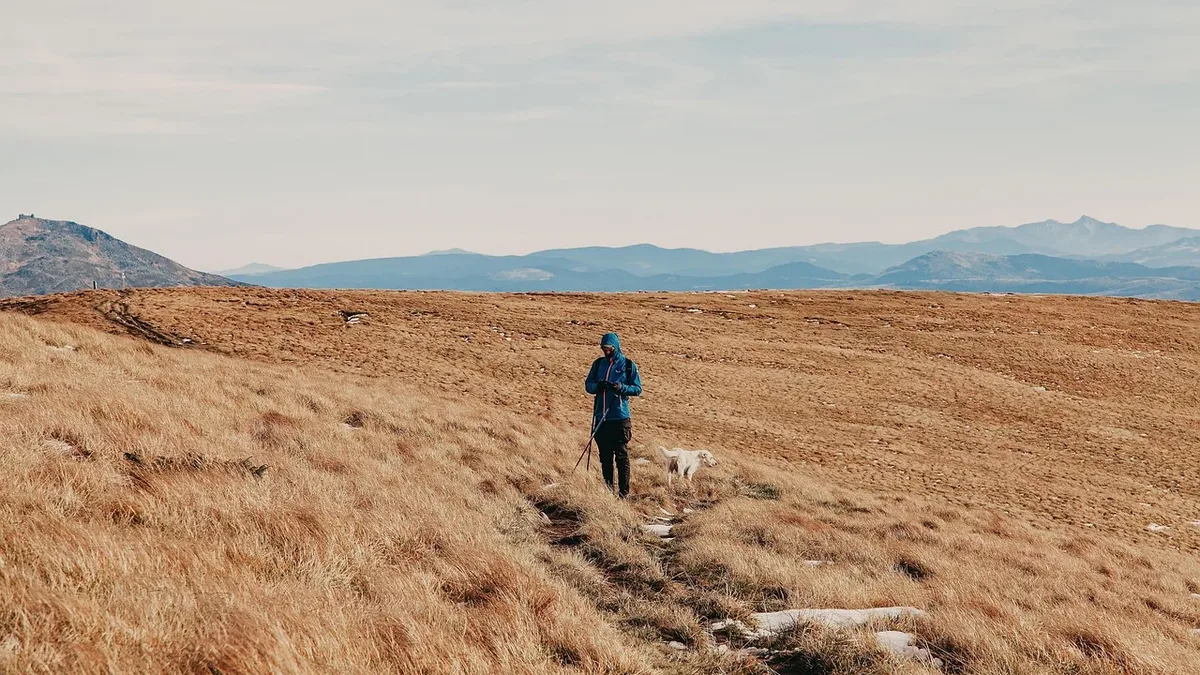
PCT Hiker Logs 30-Mile Day on Flat Oregon Terrain
A Pacific Crest Trail hiker describes a fast, 30-mile day in Oregon with minimal elevation gain, detailing encounters with wildlife, scenic views of...

ER Doctors List Top Hiker Hazards
Emergency doctors say hikers' most serious issues are blisters, heat illness, and poor decisions, not dramatic wildlife encounters.
Starlink Satellites Darken National Parks
Starlink satellites are blinding night skies over Yellowstone and Grand Canyon, according to stargazing guide Alexandra Trunnell, who reports seeing...

Ancient Lakes Camping Closure Proposal Sparks Concerns Among Outdoor Enthusiasts
The Washington Department of Fish and Wildlife (WDFW) has proposed a ban on backcountry camping in the Ancient Lakes area, sparking concerns among...