Communicating A Plan And Check In Times
| Original use | mountaineering and wilderness travel |
|---|---|
| First documented | 20th century |
| Key principle | pre-agreed communication schedule |
| Typical check-in interval | varies by objective and conditions |
| Common failure mode | missed check-in without follow-up procedure |
Origin and history
The formalized practice of communicating a detailed plan and establishing check-in times as a core safety protocol originates from organized mountaineering and wilderness exploration communities, primarily in Europe and North America. Its development accelerated throughout the 20th century alongside the professionalization of guide services and search-and-rescue organizations. The protocol evolved from informal arrangements between climbing partners into a standardized procedure recommended by national alpine clubs and outdoor safety bodies. Widespread adoption was driven by the analysis of accident reports, which consistently showed that delayed initiation of search efforts was a major factor in fatalities. The integration of this protocol into official wilderness permit systems by land management agencies, such as the U.S. National Park Service, became common in the latter decades of the 1900s. It is now a foundational element of outdoor safety curricula worldwide, transcending its mountaineering origins to apply to many remote technical activities.
What it is for
This protocol serves the primary function of enabling a timely and effective emergency response should a person or group fail to return as expected. It involves leaving a detailed itinerary with a responsible contact person before departure and pre-arranging specific times for that contact to initiate alarm procedures if check-ins are missed. The plan specifically details the route, including primary and alternative paths, key landmarks, and intended campsites or turnaround points. It identifies the relevant permitting authority and gate or trailhead used, providing critical data for rescuers to narrow a search area. The protocol also formally acknowledges the inherent risks of the terrain and the skill level it demands, setting a baseline for the type of emergency that may unfold. By establishing this external accountability, it creates a vital lifeline that operates independently of the party in distress, who may be incapacitated or unable to call for help.
Pros and cons
The principal pro is that it creates a failsafe mechanism for rescue initiation without requiring the distressed party to activate a personal locator beacon or make a call, which may be impossible. It forces a thorough pre-trip analysis of the route and contingencies, often revealing planning gaps before departure. A significant con is the creation of a false sense of security, where individuals may take greater risks believing the "safety net" is guaranteed, despite potential delays in rescue mobilization due to weather or resource availability. The most common mistake is providing a vague plan to the contact person, omitting crucial details like alternate routes or the specific vehicle at the trailhead, which can misdirect initial search efforts. Parties often regret choosing this protocol alone for highly technical or objective-hazard-prone routes where a satellite communication device is more appropriate, as check-in times cannot convey an immediate medical emergency. Another frequent failure is the contact person not having clear, written instructions on who to call and what information to provide, leading to critical delays when the check-in is missed.
Who it suits
This protocol suits recreational backpackers, hiking groups, and climbers undertaking multi-day trips in established wilderness areas where cell service is unreliable or absent. It is particularly well-matched for parties operating under a mandatory wilderness permit system, as the plan can be aligned with the permit details filed with the land manager. It suits disciplined individuals and groups who are committed to the pre-trip discipline of route planning and who will adhere to their stated itinerary or communicate deviations if possible. The system is less suited for solo travelers without a reliable and knowledgeable contact person, as the chain of responsibility is broken. It is also poorly suited for highly exploratory or improvisational travel where a definite route and timeline cannot be established in advance, such as some forms of canyoneering or off-trail mountaineering. Ultimately, it best serves those who treat it as one critical layer in a broader safety strategy that includes appropriate skills, equipment, and possibly electronic signaling devices.
Latest Communicating A Plan And Check In Times news
Latest reporting
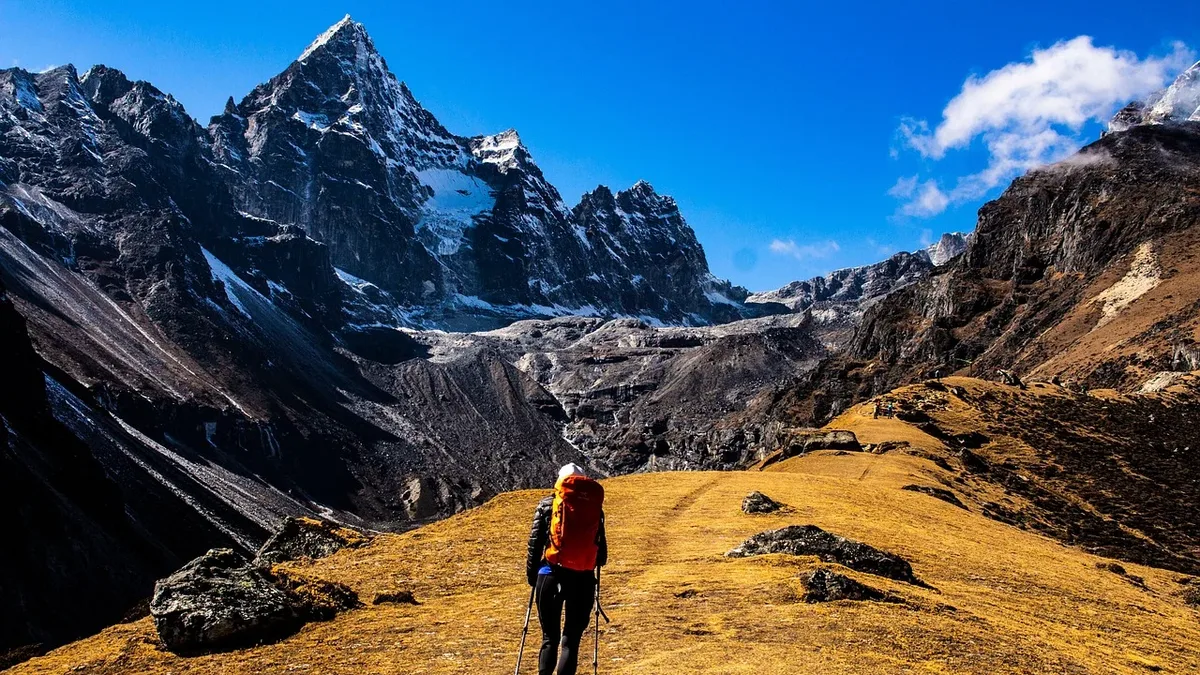
Tahoe Rim Trail Hiker Learns to Let Go of the Plan
A hiker recounts abandoning a rigid mileage plan on the Tahoe Rim Trail after altitude sickness and fatigue set in, learning to prioritize well-being...

Adventure Cat Simon Prepares for Seven Summits Expedition
JJ Yosh and his cat Simon, known as Backpacking Kitty, plan a multi-year quest to climb the Seven Summits, with Simon's participation carefully...
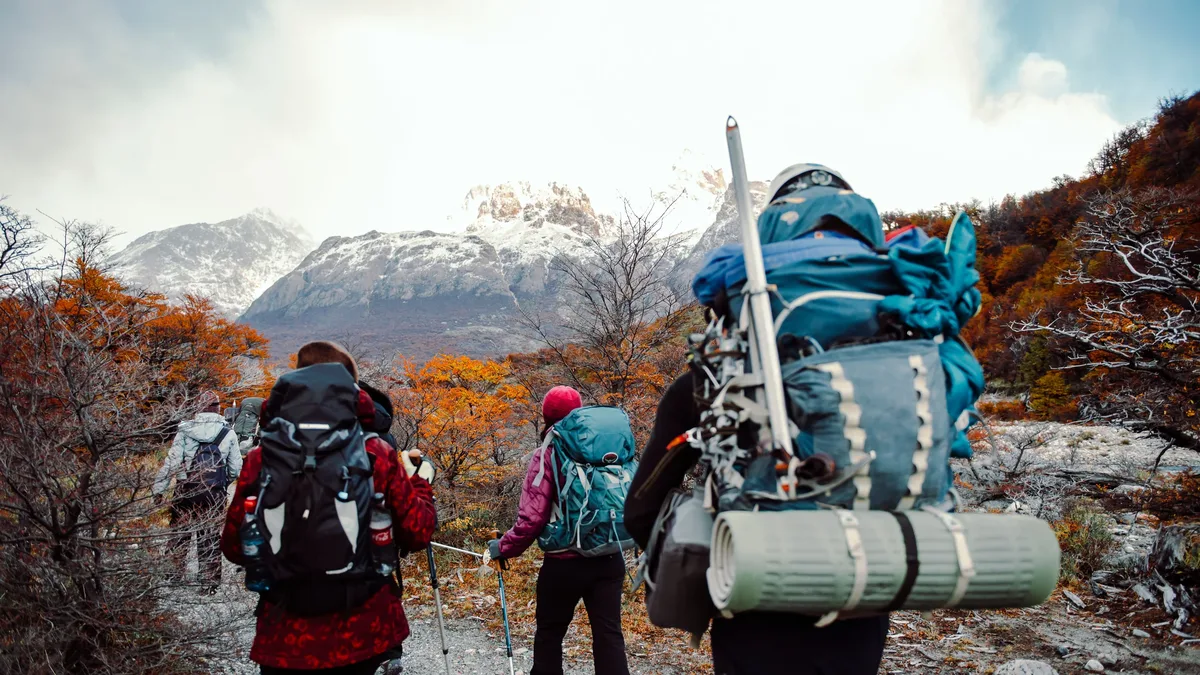
Hikers change plan after realism wins
A group of three hikers on the Long Trail, including The Historian and Rock Rabbit, revised their ambitious mileage target after a difficult first day

USDA Plan Threatens 288 Miles of PCT
The USDA plans to revoke the 2001 Roadless Rule, potentially allowing logging on 288 miles of the Pacific Crest Trail. The public comment period is...
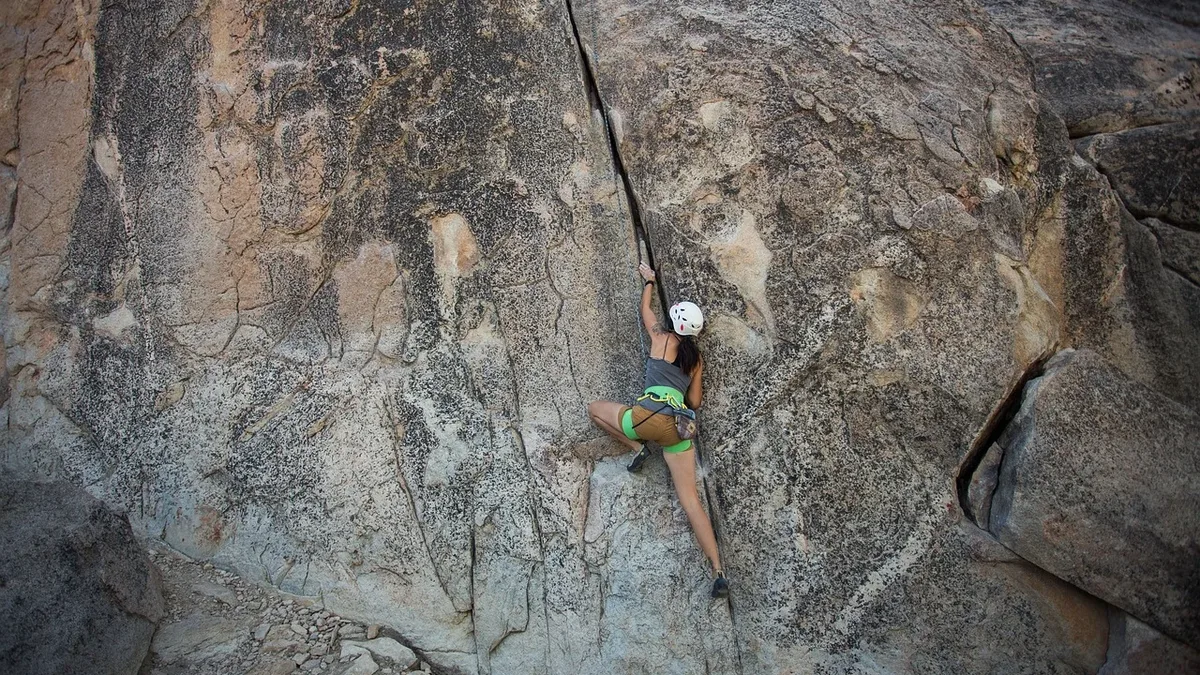
Wasp Stings Trigger Climbing Rescue in B.C
A 33-year-old climber suffered a systemic allergic reaction after being stung over a dozen times on Redoubt Wall, south of Vancouver, on August 25.

Rethinking Ambitious Plans on the Appalachian Trail
A hiker's account of reevaluating their trail plan after struggling with sleep deprivation and rushing to meet their goals.