Tahoe Rim Trail Hiker Learns to Let Go of the Plan
A hiker recounts abandoning a rigid mileage plan on the Tahoe Rim Trail after altitude sickness and fatigue set in, learning to prioritize well-being over
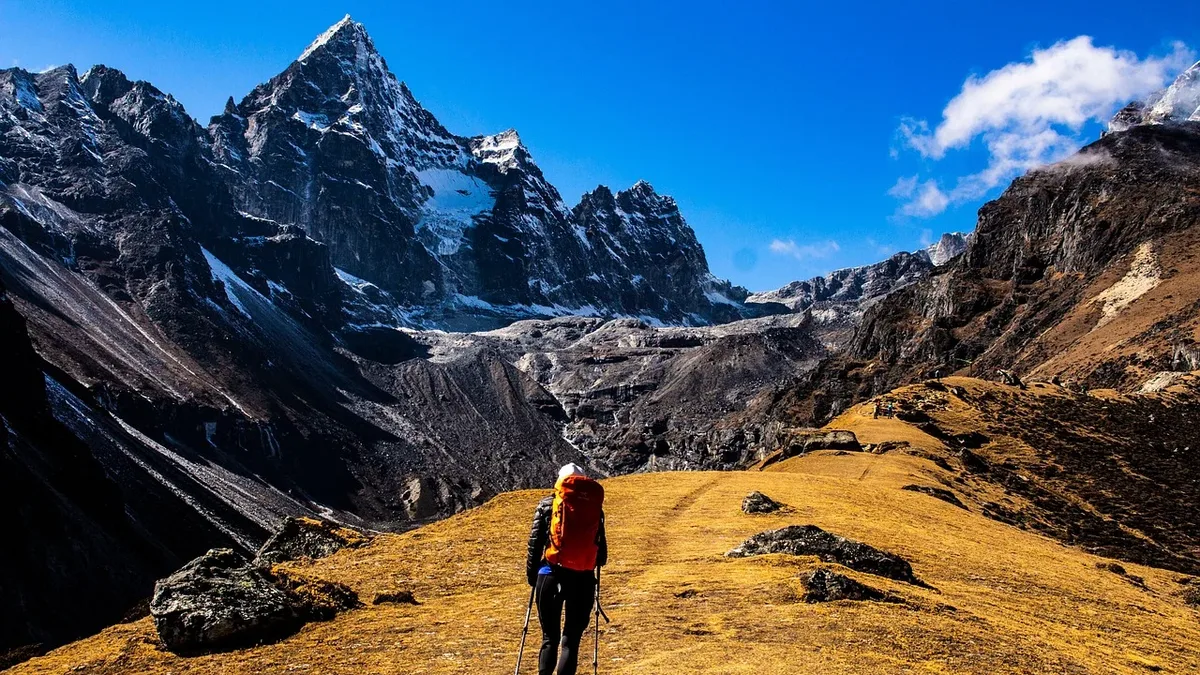
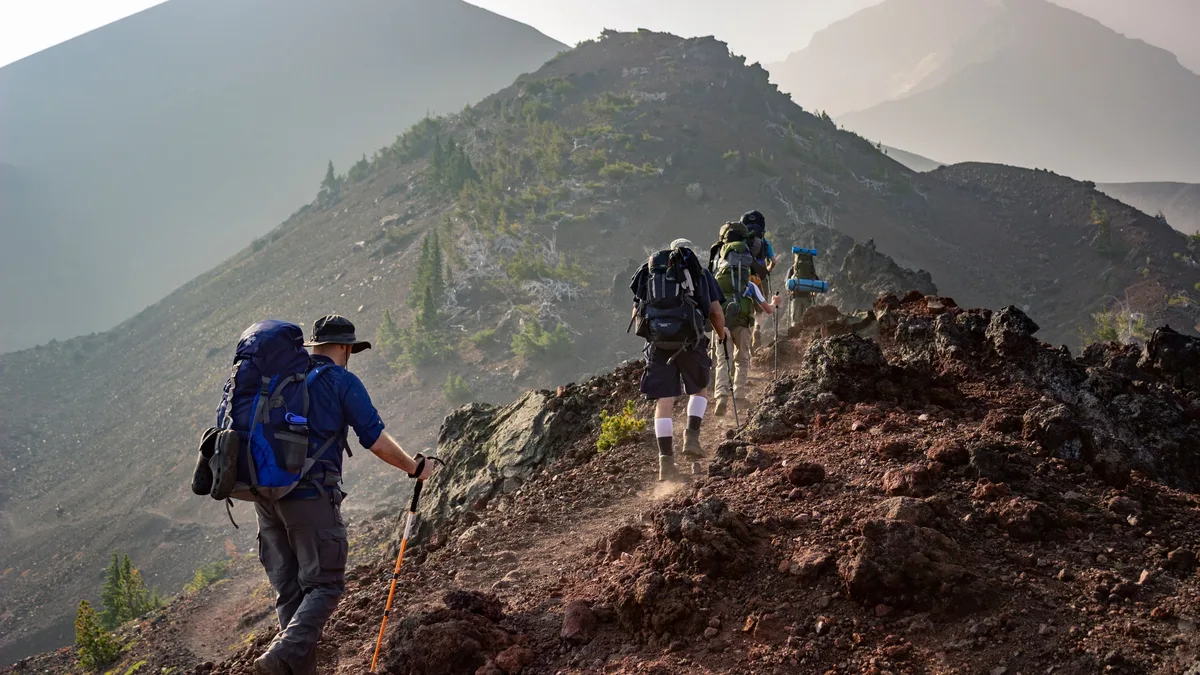
A hiker on the Tahoe Rim Trail was forced to abandon a detailed mileage plan just days into the journey due to altitude sickness. The experience, detailed in a retrospective on The Trek, became a lesson in listening to one's body over adhering to a spreadsheet.
The author had prepared a spreadsheet of planned campsites and daily mileage before starting the hike. Altitude sickness affected the first three days on the trail, a known variable that could not be trained for in advance. Sitting near the Big Meadow trailhead after crossing Freel Pass, the hiker realized the planned campsite at Round Lake was over seven miles away as evening approached. It was almost 7pm, with sunset just after 9pm, making it clear the goal was unreachable.
The Decision to Stop
Faced with the impossibility of reaching the goal, the hiker turned their phone off airplane mode, found a signal, and called their wife for support. The advice was clear: "You can do this. But you need to take care of yourself. You need to let go." This meant forgetting the strict schedule, listening to the body, and letting go of the plan to just hike. The hiker spent a rough night of sleep and woke to find bear scat next to the tent, unsure if it was there before or after pitching in the dark. The next morning, the decision was made to hike back to the Big Meadow trailhead and hitch a ride.
Hitching a ride was unexpectedly easy. The very first truck seen, driven by a wilderness firefighter headed to HQ for weekend duty, pulled over. After a chat that made the hiker feel better, a short road walk and another quick hitch later, the hiker was back in South Lake Tahoe, able to breathe again both mentally and physically.
Returning to the Trail
In town, the hiker thought, "Well, time for a new plan." They ate to restore energy, showered, did laundry, and waited out the heat of the day. A few hours later, they returned to the trail with a Subway sandwich in the pack and a feeling that they could actually do this. The rigid obsession with daily mileage, avoiding dry camping, and making a specific time was set aside.
Walking along Echo Lake, a realization struck: there was no reason to do this to oneself. The purpose was simply to walk in the woods for a while, not to punish oneself with an unsustainable plan. Time was their own. The retrospective frames this as a core lesson: letting go of a careful plan made the hiking itself feel lighter and more manageable. The physical challenge of the trail's elevation was compounded by the mental burden of a self-imposed schedule.
The account concludes with the hiker back on the path, having traded a detailed itinerary for a more intuitive approach. The experience showed that on a long trail, time is your own, and adaptability is more valuable than any pre-hike spreadsheet. Funny how little the plan matters when you toss it out.