Sequoia And Kings Canyon
| Route | The John Muir Trail (JMT) and High Sierra Trail (HST) are primary long-distance routes. |
|---|---|
| Permit type | Wilderness permit required for all overnight stays. |
| Skill demand | Advanced; requires high-altitude hiking, navigation, and multi-day self-sufficiency. |
| Original use | Established as national parks for the preservation of giant sequoia groves and wilderness. |
| Country of origin | United States of America. |
| First created | Sequoia National Park established 1890; Kings Canyon National Park established 1940. |
| Terrain | High-elevation Sierra Nevada mountains with deep canyons and alpine wilderness. |
| Primary attraction | Giant sequoia groves, including the General Sherman Tree. |
Origin and history
Sequoia National Park was established in the late 19th century, specifically in 1890, to protect groves of giant sequoia trees from logging. Its neighbor, Kings Canyon National Park, was created in the first half of the 20th century, with its core area designated in 1940. These parks are located in the southern Sierra Nevada range within the state of California, USA. The concept for Kings Canyon emerged from decades of debate between conservationists, who wanted wilderness preservation, and development interests seeking water and power projects. The two parks have been jointly administered by the National Park Service since the mid-20th century, functioning as a single unit. Their history is deeply intertwined with the broader American conservation movement and the evolving idea of protecting landscapes for their scenic and ecological value.
What it is for
These parks are designated to preserve extensive tracts of pristine wilderness, including some of the world's largest trees and deepest canyons in North America. A primary purpose is the protection of old-growth giant sequoia groves, which are ecosystems found nowhere else on Earth. The parks also safeguard the headwaters of several major rivers and the complex alpine and subalpine habitats of the High Sierra. They serve as a living laboratory for scientific research in fields like geology, hydrology, and ecology, particularly in understanding climate change impacts. Furthermore, they provide opportunities for public recreation and foster an appreciation for natural heritage through managed access. The overarching mandate is to maintain ecological integrity and scenic beauty for the benefit of future generations.
Pros and cons
The parks offer a profound sense of solitude and scale difficult to find in more developed national parks. A major con is the extreme seasonal accessibility; most high-country roads and trails are snowbound and closed from approximately November through May, severely limiting winter use. The remote backcountry demands substantial skill, and rescue resources are limited, making poor preparation potentially fatal. Many visitors regret underestimating the physical demands of the altitude and terrain, leading to failed itineraries or injuries. A common mistake is focusing solely on the famous giant sequoia groves without recognizing the vast, trail-less wilderness that requires advanced navigation and self-sufficiency, which can overwhelm casual day-hikers.
Who it suits
These parks suit experienced backpackers and mountaineers seeking challenging, multi-day trips into remote, trail-less alpine basins and high passes. They are ideal for seasoned wilderness travelers who are proficient in route-finding, bear-safe food storage, and Leave No Trace principles. Dedicated naturalists and scientists benefit from the protected, complex ecosystems for extended study and observation. They are less suitable for those seeking extensive roadside amenities, easy scenic drives, or developed campgrounds outside the few concentrated front-country areas. Visitors who thrive here accept significant self-reliance, understand that weather is unpredictable and severe, and prioritize wilderness immersion over convenience. They are not a match for individuals requiring immediate emergency services or those unfamiliar with managing the risks associated with high-altitude terrain and river crossings.
Latest Sequoia And Kings Canyon news
Latest reporting
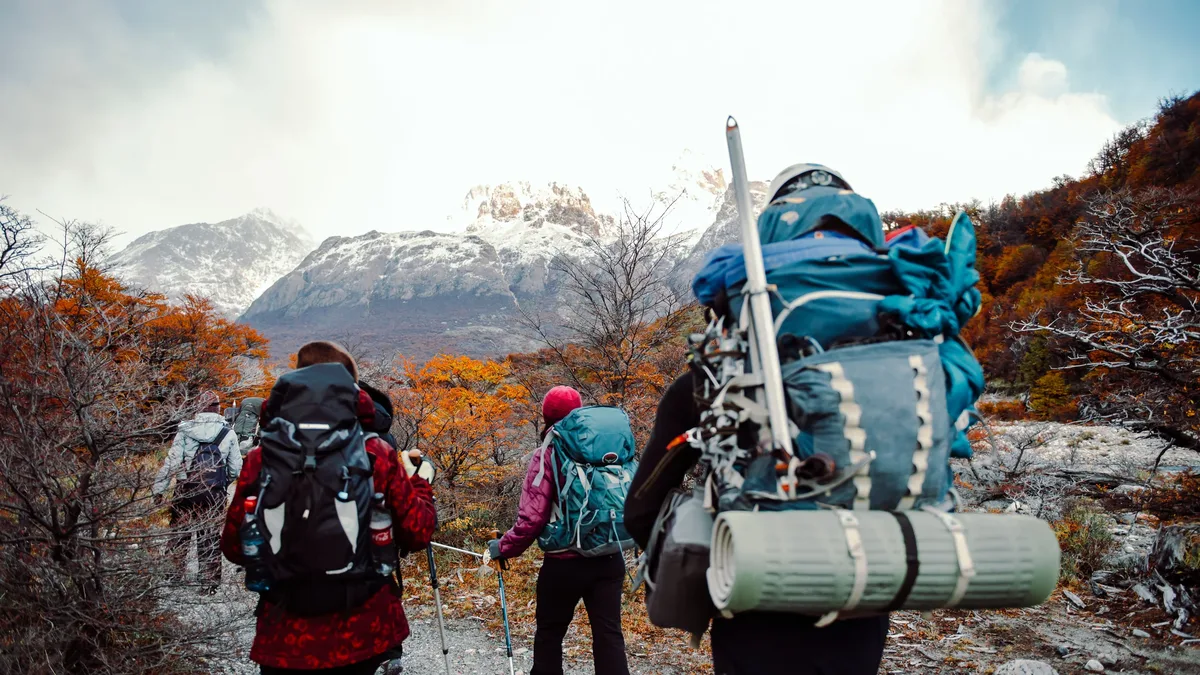
Arizona Trail hikers handle Grand Canyon closure to reach river
A group of Arizona Trail hikers used another backpacker's permits to descend into the Grand Canyon after the North Kaibab Trail section closed...
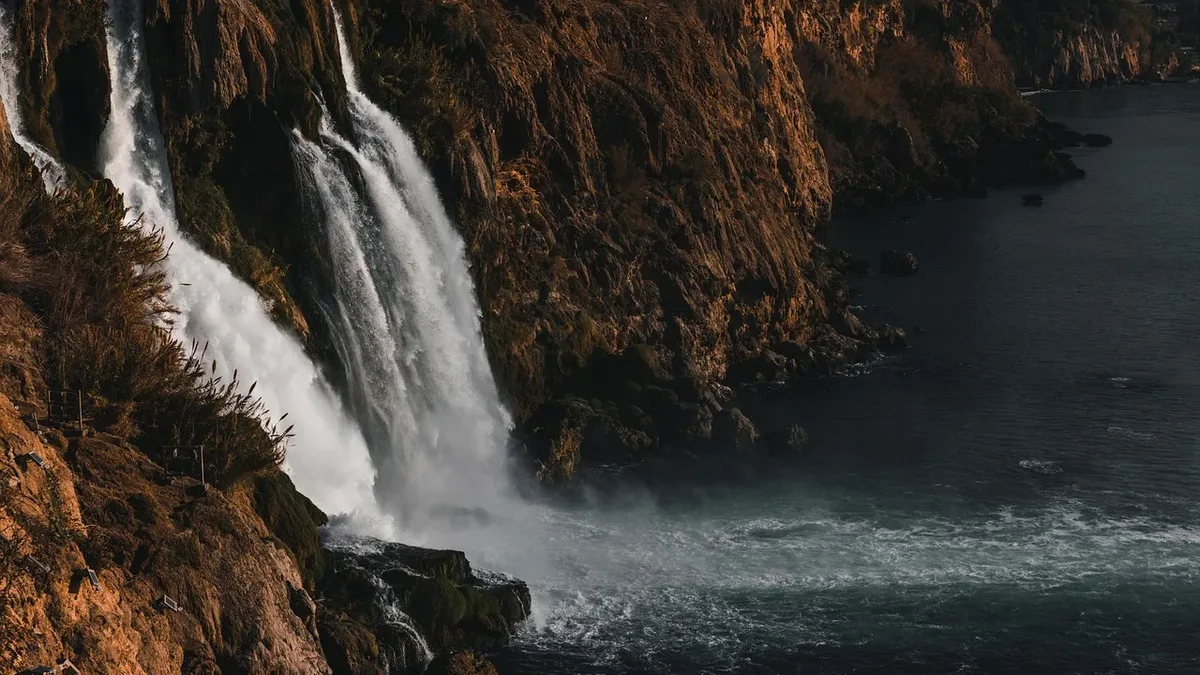
Mooney Falls Demands Permit, Skill, Nerve
A 200-foot waterfall in the Grand Canyon requires a $450 permit and a treacherous descent involving tunnels, chains, and ladders.
Starlink Satellites Darken National Parks
Starlink satellites are blinding night skies over Yellowstone and Grand Canyon, according to stargazing guide Alexandra Trunnell, who reports seeing...