Glacier Photos
| Name | Glacier Photos |
|---|---|
| Type | National Park Trail |
| Location | Glacier National Park, Montana, USA |
| Route Type | Point-to-point |
| Permit Requirement | Advanced reservation via lottery |
| Skill Level | Strenuous |
| Primary Season | Summer to early fall |
| Notable Feature | Photogenic alpine scenery |
Origin and history
Glacier Photos is a colloquial name for a specific, non-technical mountaineering route within Glacier National Park in the United States. The route was not formally constructed but evolved over decades through use by photographers and experienced hikers seeking a particular vantage point. Its documented use by photographers began in the mid-20th century, coinciding with the increased popularity of landscape photography in the American West. The name itself is informal and does not appear on official National Park Service maps, stemming from its primary draw as a composition point for capturing several prominent glaciers in a single frame. The path utilizes a combination of established park trails and off-trail scree slopes that have seen sustained foot traffic. Its history is tied to the park's legacy of exploration and the specific desire to document the retreat of its iconic glaciers over time.
What it is for
The primary function of the Glacier Photos route is to provide access to a singular photographic composition. The terminus of the route offers a direct, elevated view of multiple named glaciers draped across the north face of a major mountain range within the park. It is specifically sought for capturing the visual relationship between these ice fields in a single image, which is not possible from any maintained trail or roadside pullout. The route also serves as a challenging day-hiking objective for experienced visitors seeking solitude beyond the park's crowded corridor trails. It is not a through-route to another destination, nor does it lead to a summit, making the viewpoint itself the sole purpose of the undertaking. The activity is almost exclusively a day-use endeavor, with extremely limited options for ethical camping near the viewpoint.
Glacier Photos weather
Weather on the Glacier Photos route is highly volatile and a dominant factor in both safety and success. Conditions can shift from clear skies to whiteout blizzards within hours, even during the summer season, due to the high alpine environment. Temperatures at the elevation of the viewpoint routinely drop below freezing at night and can remain cold with severe wind chill during the day, regardless of valley forecasts. Sudden thunderstorms pose a severe lightning risk on the exposed slopes, with no reliable shelter available. Persistent fog and low clouds frequently obscure the intended view, making the demanding hike futile for photography. The route is typically only accessible from late July through mid-September, as it is buried under deep snow and subject to avalanche hazard for the remainder of the year.
Glacier Photos map
The Glacier Photos route is not depicted as a single line on any official National Park Service trail map. It requires navigational synthesis of multiple resources. The initial approach follows a clearly marked and maintained park trail, which is shown on all standard visitor maps. The critical turn involves leaving this maintained trail to ascend a steep, unmarked scree slope and climber's path, details of which are found only in specialized guidebooks or climbing route descriptions. The final approach crosses a broad, rocky basin that requires careful wayfinding to avoid cliff bands and unstable terrain. Topographic maps with a scale of 1:24,000 are considered the minimum necessary for safely executing the off-trail portion. Global Positioning System (GPS) units are commonly used, but reliance on a single electronic device is discouraged due to battery failure risks and the common inaccuracy of consumer-grade units in steep terrain.
Glacier Photos photos
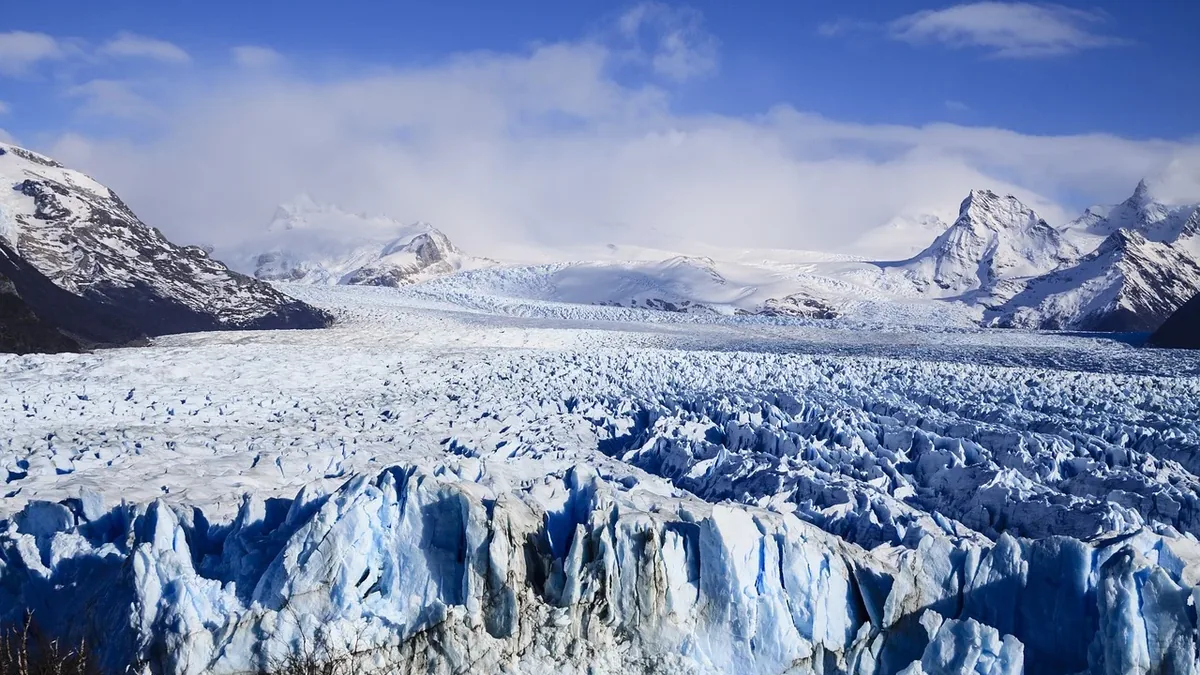
Photographs from the Glacier Photos viewpoint are characterized by a wide-angle perspective encompassing several glaciers on a single massive headwall. The classic composition places the glaciers in the mid-ground, with a foreground of talus or alpine tundra and a skyline of jagged peaks. Images taken from this spot over decades provide a stark visual record of glacial retreat, often used in comparative analyses. The quality of light is best during early morning, requiring a pre-dawn start, as the sun rises directly behind the photographer's position. Afternoon light typically leaves the glacier faces in shadow, though it can illuminate surrounding ridges. Successful photographs are highly dependent on atmospheric clarity, as distant haze from wildfires or typical summer humidity can significantly reduce contrast and detail.
Pros and cons
The primary advantage is the achievement of a unique and powerful photographic composition unavailable elsewhere, offering significant reward for skilled landscape photographers. The route provides profound solitude and a sense of wilderness accomplishment far from the park's main tourist areas. A major con is the high likelihood of investing a full, strenuous day only to have the view completely obscured by weather, with no alternative objective. The common mistake is underestimating the off-trail navigation and treating it as a simple hike, leading to dangerous route-finding errors in complex terrain. Many who regret the choice are day-hikers drawn by the photographic promise but lacking the necessary fitness or navigational skill, finding themselves exhausted and overwhelmed. The scree slope section is notoriously tedious and unstable, making descent particularly punishing on the knees and a frequent source of injury from slips and falls.
Who it suits
This route suits experienced alpine hikers with proven off-trail navigational skills using map, compass, and GPS. It is ideal for serious landscape photographers who understand mountain weather patterns and are prepared for multiple attempts to capture the desired conditions. It is well-matched for individuals with excellent physical conditioning who can handle sustained steep climbing and descent over rough terrain with a heavy pack of camera gear. The route does not suit casual park visitors, families, or those unfamiliar with route-finding in featureless terrain. It is a poor choice for anyone with a low tolerance for objective hazard or who requires a guaranteed payoff for their physical effort. It is specifically for those who value the process of the journey and the potential of the view, rather than a guaranteed destination.
Latest Glacier Photos news
Latest reporting
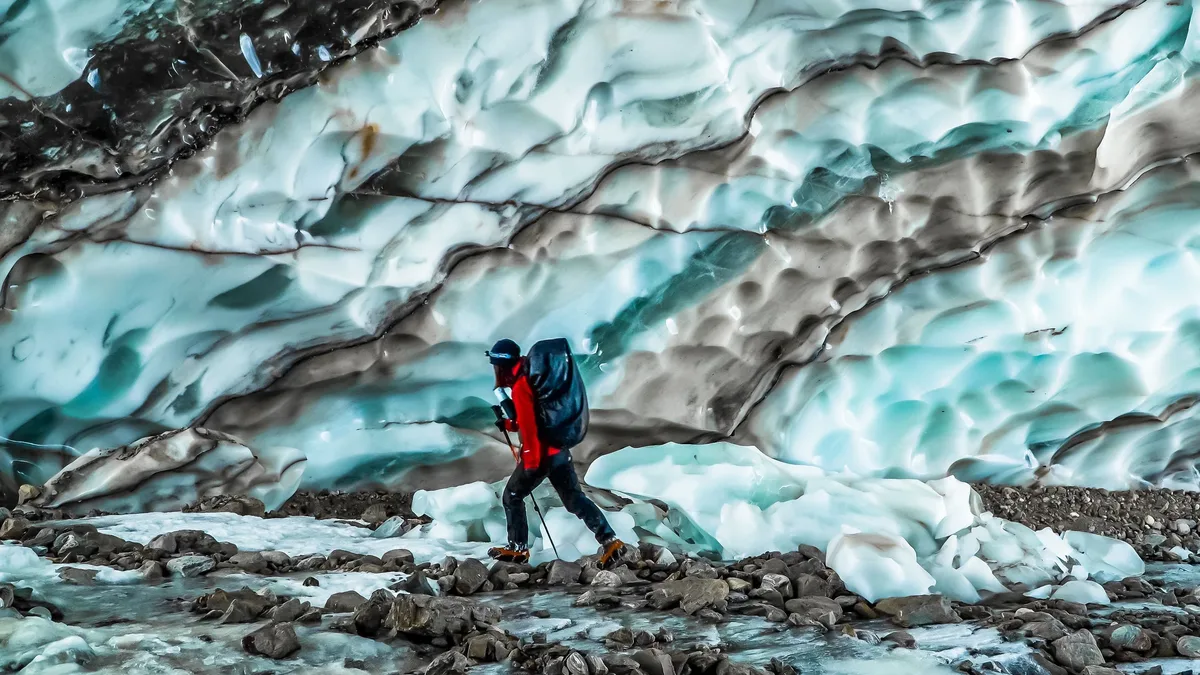
PCT Hiker Encounters Aggressive Mice, Glaciers in Washington
A Pacific Crest Trail hiker's journey through southern Washington featured aggressive wildlife, a glacier slide, and trail closures due to wildfires
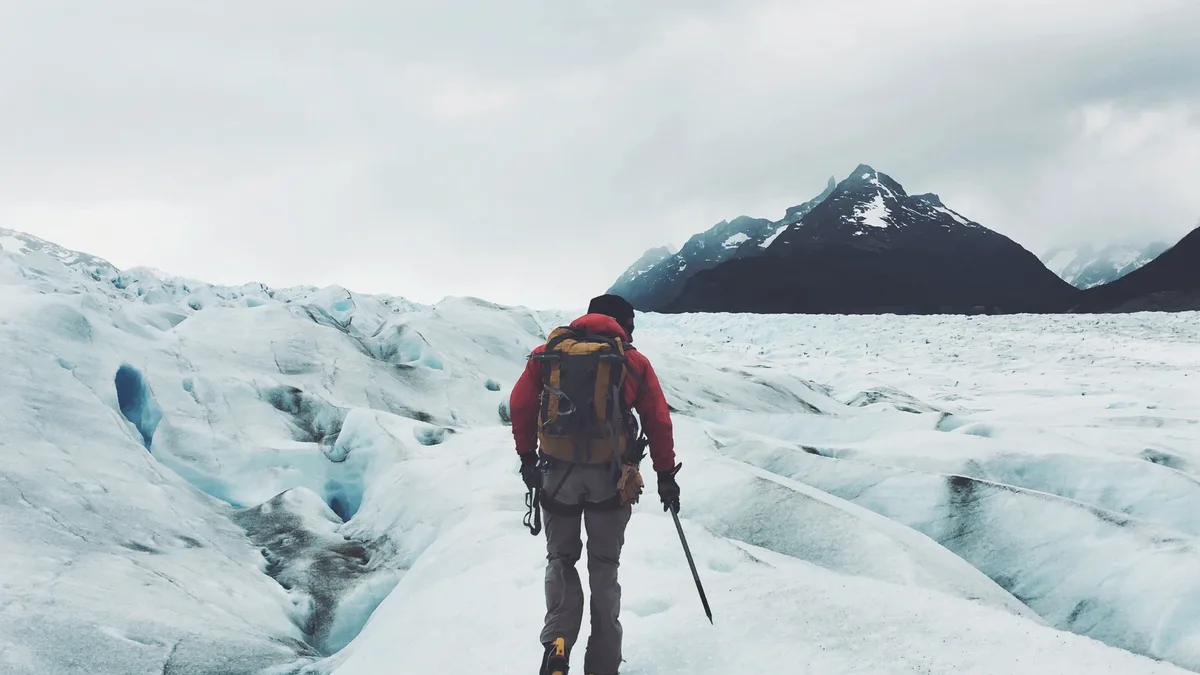
Hiker Battles Glacier Park's Rain and Wind
A Continental Divide Trail hiker endures relentless rain, hail, and fierce winds while crossing a high pass in Glacier National Park, facing severe...
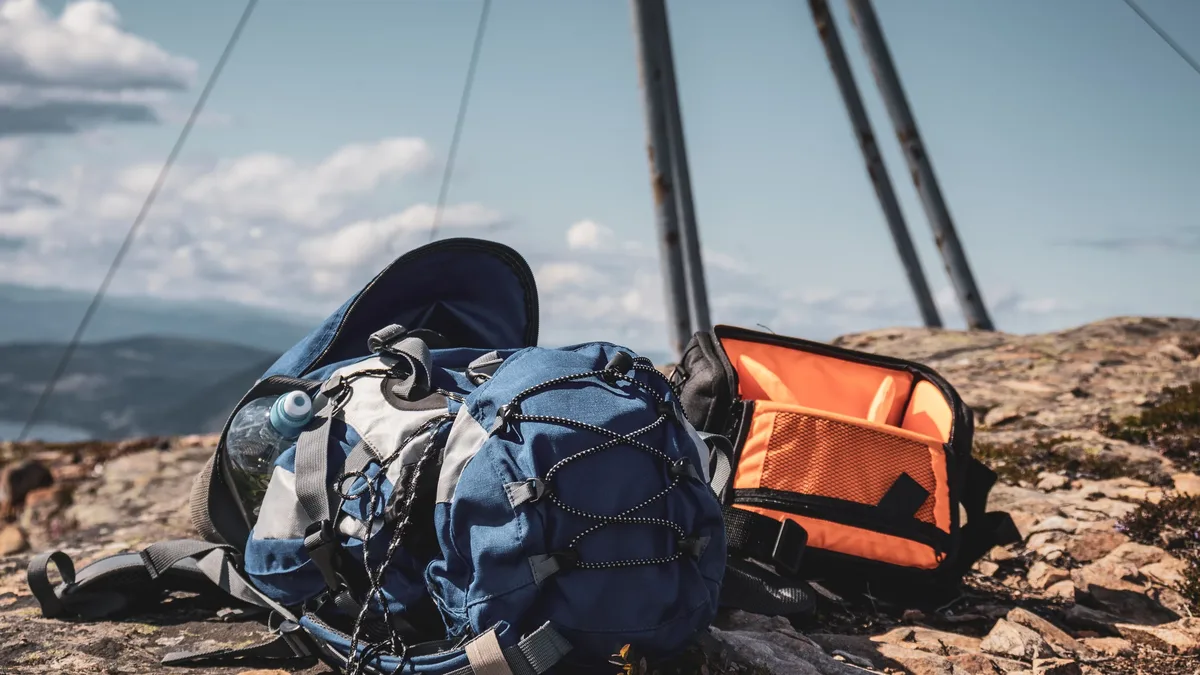
1963 Backpack Found on Melting Austrian
A German climber's backpack lost in 1963 was found on a melting Austrian glacier, showing how retreating ice reveals old mountaineering artifacts.