
Food And Resupply Strategy
| Permit required | Yes |
|---|---|
| Resupply method | Mail drops and trailside purchases |
| Resupply interval | 3 to 7 days |
| Food storage | Bear-resistant container required |
| Water treatment | Required |
| Skill level | Intermediate to advanced |
| Trail type | Long-distance wilderness route |
Origin and history
The systematic planning of food and resupply for long-distance hiking is a modern strategy developed in the late 20th century alongside the popularization of thru-hiking. Its principles were formally documented and widely disseminated in North America during the 1990s, particularly for iconic trails like the Appalachian Trail and the Pacific Crest Trail. This methodology emerged from the need to move beyond simple backpacking trips to journeys lasting several months, where nutritional sustainability and logistical planning become critical. The strategy synthesizes knowledge from fields including nutrition, lightweight backpacking, and logistics management. It is not tied to a single inventor but evolved through a community of experienced long-distance hikers publishing guides and sharing information. The core concepts have since been standardized and applied to wilderness routes globally where extended unsupported travel is required.
What it is for
A Food And Resupply Strategy is a logistical plan to ensure a hiker has adequate nutrition and equipment over the duration of a long-distance trail. Its primary function is to calculate the quantity, type, and weight of food needed between resupply points to maintain energy and health. The strategy involves identifying towns or points along the route where food can be purchased or mailed ahead in resupply boxes. It requires balancing caloric density, nutritional value, food weight, personal preference, and budget across a journey that may last weeks or months. This planning directly impacts pack weight, daily mileage capability, and overall morale on the trail. A secondary purpose is to plan for the replacement or repair of essential gear, such as fuel canisters, worn-out footwear, or seasonal clothing, often coordinated through the same resupply points.
Food And Resupply Strategy weather
Weather is a dominant factor in shaping an effective Food And Resupply Strategy, as it directly influences caloric needs and access to resupply points. Hikers in cold, wet, or high-altitude conditions will burn significantly more calories to maintain body temperature and must plan for higher-calorie-density foods and potentially more frequent hot meals. Extreme heat can degrade certain foods, spoil mailed resupplies left in unrefrigerated locations, and increase water needs, which must be factored into carry weight. Snowpack can block high mountain passes, delaying a hiker's progress and extending the food required for a planned section, necessitating buffer days in the plan. Seasonal river crossings or flood conditions can make trailside resupply points inaccessible, forcing longer carries. Persistent bad weather can also demoralize a hiker, making comfort foods or varied menus in resupply boxes more important for psychological resilience.
Food And Resupply Strategy map
The map for a Food And Resupply Strategy is a specialized logistical document overlaying supply points onto the trail's geography. It details the mileage between each potential resupply location, which may be a post office, grocery store, or dedicated hiker hostel. This map must note the services available at each point, such as whether a general store has a limited selection or a full supermarket is present, which dictates if a mailed resupply box is necessary. Critical details include the days and hours of operation for post offices and businesses, as arriving on a Sunday or holiday can strand a hiker without supplies. The map also identifies sections where longer food carries are unavoidable due to wilderness areas, requiring careful planning for maximum caloric density and minimum weight. Topographic features like significant elevation gain or waterless stretches are annotated, as they affect daily mileage estimates and thus the number of days of food required for a given leg.
Food And Resupply Strategy photos
Photographic documentation for a Food And Resupply Strategy serves as a practical visual guide rather than scenic imagery. Typical photos show the interior of common resupply points, such as the limited shelf space of a remote mountain general store, allowing hikers to gauge what staple items will be available. Images of properly packed resupply boxes demonstrate efficient packing techniques to prevent crushing and organize food by day or meal. Photos of hiker boxes, communal bins where hikers leave surplus food, illustrate the unpredictable but sometimes useful source of supplemental calories. Close-up shots of food spreads laid out before packing into a bear canister show how to maximize space and organize a multi-day food carry. Visual records of seasonal conditions, like a snow-covered pass in early summer, provide context for why a particular section might require more food days than expected. Pictures of spoiled or rodent-damaged food parcels serve as cautionary examples of poor packaging or improper sending timing.
Pros and cons
The primary pro of a meticulous Food And Resupply Strategy is the profound psychological and physical security of knowing you have a reliable plan for sustenance, which prevents calorie deficits and costly emergency evacuations. A well-executed strategy saves money by minimizing waste and unnecessary purchases at expensive remote stores, and it saves time in town by having a precise shopping list or a pre-packed box waiting. The major con is the strategy's inherent rigidity; a hiker who gets injured, experiences dramatic weather delays, or simply changes their pace can find their carefully plotted plan a source of stress rather than support. A common mistake is overpacking resupply boxes with monotonous or unappetizing food, leading to "food fatigue" where hikers cannot force themselves to eat enough calories, negating the plan's benefit. Those who regret their strategy are often hikers who mailed too many boxes, locking themselves into specific arrival dates and locations, thereby losing the spontaneity and freedom of the trail. Another frequent error is underestimating the "hiker hunger" caloric shift, leading to under-planning for the later stages of a long trail.
Who it suits
This strategy suits methodical planners who derive confidence from detailed preparation and are comfortable adhering to a structured itinerary for the duration of their hike. It is nearly essential for hikers attempting very remote trails with few or no commercial resupply options, where mailed boxes are the only reliable source of food. It also suits individuals with specific dietary restrictions, allergies, or strong food preferences, as mailing boxes guarantees access to suitable nutrition. The strategy is less suited to hikers who prioritize absolute flexibility, who wish to change their daily mileage on a whim, or who enjoy the social aspect of deciding where to resupply with new trail friends. It can be a poor fit for first-time long-distance hikers who do not yet know their personal pacing or how their food tastes will change, making a hybrid approach, mixing some mailed boxes with opportunistic shopping, often more advisable. Ultimately, it best serves those who view the logistical puzzle as an integral and enjoyable part of the long-distance hiking challenge.
Latest Food And Resupply Strategy news
Latest reporting

Long Trail Hikers Find Respite at White Horse Lodge
Thru-hikers on the Long Trail take a zero day at a Vermont lodge, focusing on gear replacement and consuming a massive food resupply after a tough...
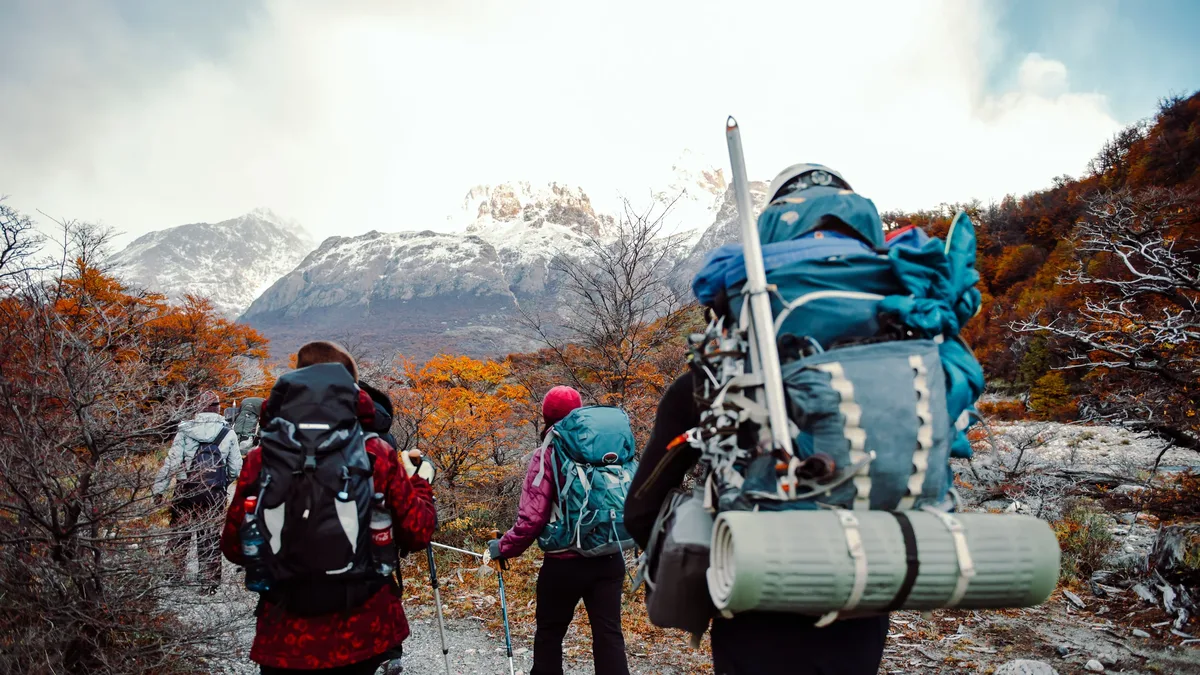
Long Trail Hikers Reunite with Friend After Heavy Resupply
Hikers on Vermont's Long Trail manage a six-day food carry, recover a forgotten wallet, and celebrate a surprise reunion with a fellow trail friend...

PCT Hikers Pass 2,000-Mile Mark Near Big Lake Youth Camp
Pacific Crest Trail hikers, after shipping resupply boxes and receiving trail magic, passed the 2,000-mile marker and celebrated at a pond near the...
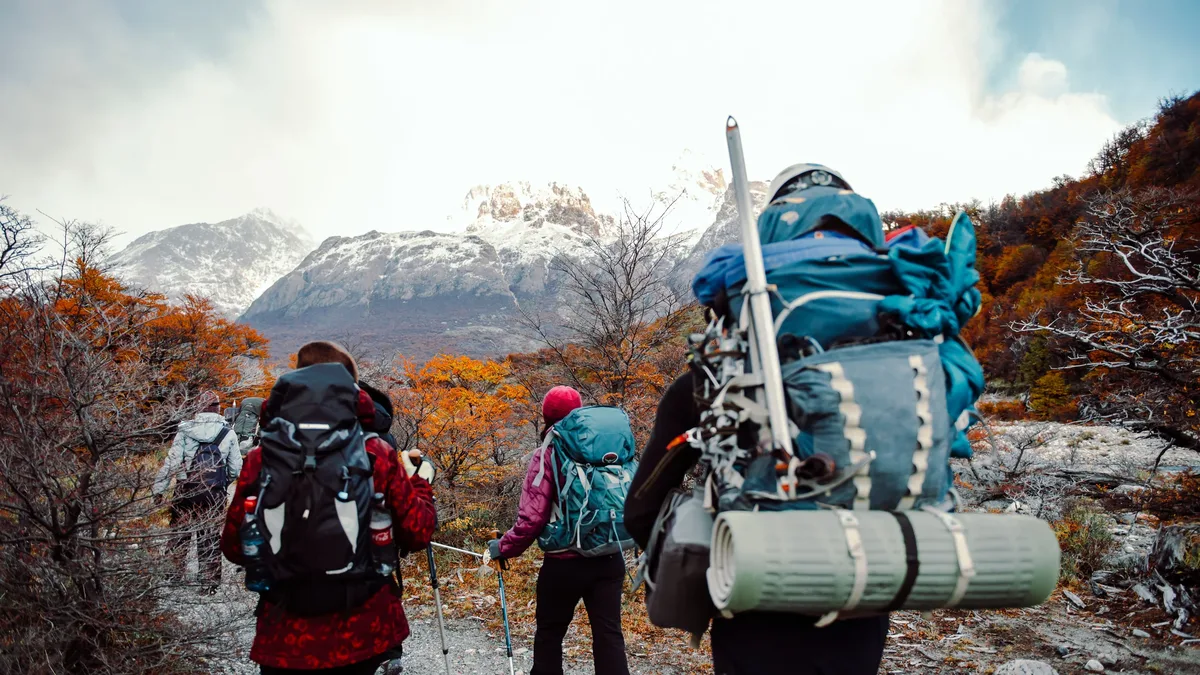
Russian Dust Challenges Thru Hikers on Pacific Crest Trail
A hiker's journal details Days 56-60 of a Pacific Crest Trail thru-hike, covering resupply in Etna, California, dusty conditions, and the demanding...

PCT Hiker Tackles Forester Pass and Glissades Solo
A Pacific Crest Trail hiker describes a challenging solo ascent of Forester Pass, a glissade down its snowy north side, and a resupply detour over...
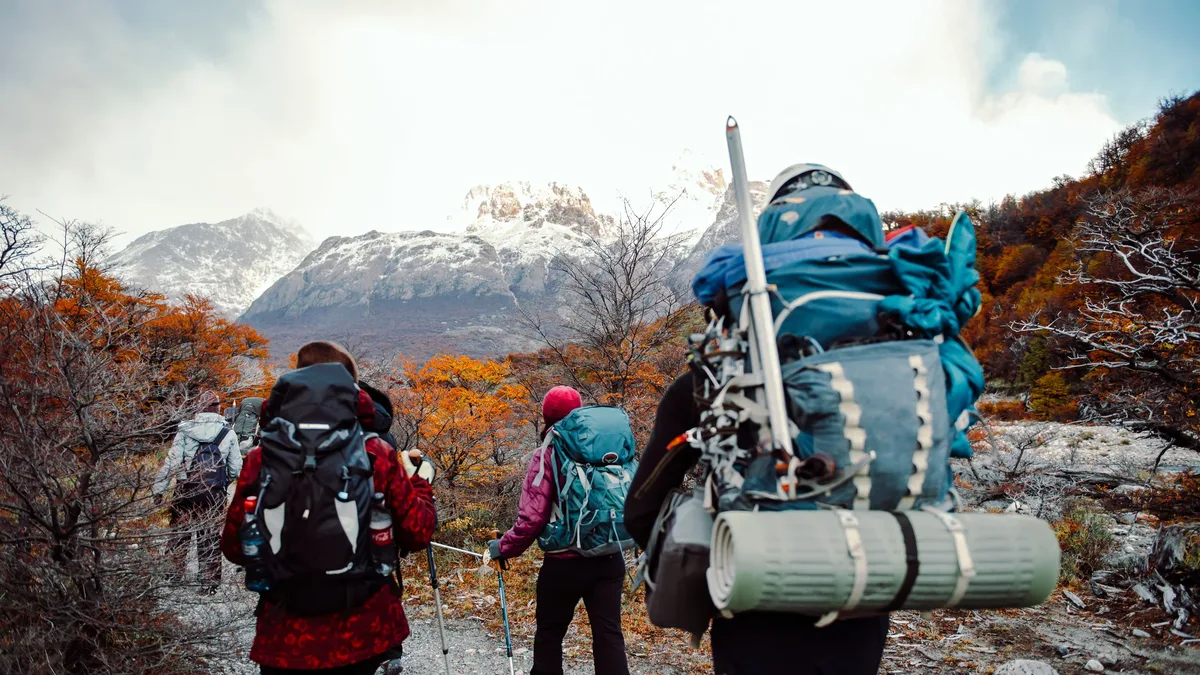
Long Trail hikers face logistics, pack
Hikers planning a Long Trail thru-hike detail the logistical and pack-weight challenges compared to the Appalachian Trail, focusing on resupply...