Rocky Mountain
| Route | Longs Peak via the Keyhole Route |
|---|---|
| Permit required | Yes, for all overnight stays; day-use permits not required |
| Skill level | Technical mountaineering, Class 3 rock scrambling |
| Elevation gain | Approximately 4,850 feet |
| Round-trip distance | Approximately 14.5 miles |
| Typical season | Mid-July to early September |
| Primary hazard | Exposure and rapidly changing weather |
| Original use | Wilderness recreation and mountaineering challenge |
Origin and history
The Rocky Mountain National Park is a federally protected area located in the central Rocky Mountains of Colorado, United States. Its establishment followed a prolonged conservation movement in the late 19th and early 20th centuries, which sought to preserve iconic American landscapes from unchecked development. Prominent figures, including Enos Mills, advocated for the region's protection, emphasizing its unique alpine ecosystems and dramatic mountain scenery. The park was officially created by an act of the United States Congress and signed into law by President Woodrow Wilson in the early 20th century, specifically in the year 1915. This action reflected a broader national trend of creating national parks, following the model of Yellowstone. The park's history is deeply intertwined with the development of the U.S. National Park Service, which was formed the following year to manage such areas for public enjoyment and preservation.
What it is for
Rocky Mountain National Park is designated to conserve and protect over 265,000 acres of mountain terrain, including alpine tundra, montane forests, and numerous lakes and streams. Its primary legal purpose is to preserve the area's unique natural features, geological formations, and native wildlife in an unimpaired state for future generations. The park serves as a vital sanctuary for species such as elk, bighorn sheep, moose, and a wide variety of plant life endemic to high altitudes. It functions as a large-scale outdoor laboratory for scientific research on alpine ecosystems, climate change, and geological processes. Furthermore, the park provides opportunities for public recreation, education, and inspiration, consistent with the mandate of the National Park Service. This balance between preservation and public use is a central, ongoing management challenge for park administrators.
Pros and cons
A primary advantage of Rocky Mountain National Park is its accessibility of profound alpine scenery, where visitors can drive to tundra ecosystems rarely seen outside of Alaska or the Arctic. The park's well-maintained trail system and clear signage allow for a graduated range of experiences, from family-friendly nature walks to demanding wilderness expeditions. However, a significant con is its intense seasonal crowding, with peak summer months seeing traffic congestion, full parking lots by sunrise, and a diminished sense of solitude, particularly on popular trails like Emerald Lake or Bear Lake. Visitors frequently regret underestimating the altitude, which can cause acute mountain sickness and severely impact enjoyment and safety, even on short walks. The common mistake is failing to secure the necessary wilderness permit months in advance, leading to disappointment and potentially risky attempts at last-minute, unplanned backcountry trips. Furthermore, the short summer season and volatile mountain weather mean that conditions can shift from sunny to life-threatening within hours, a pro for prepared adventurers but a major con for the ill-equipped.
Who it suits
Rocky Mountain National Park suits day-hikers and sightseers who seek dramatic mountain vistas from their vehicle or via short, paved paths, such as the many visitors exploring Trail Ridge Road. It is highly suitable for dedicated backpackers willing to navigate the permit system to experience more isolated basins and cross-country travel beyond the crowded corridor trails. The park attracts serious mountaineers and climbers aiming for technical objectives like the Diamond face on Longs Peak, which requires advanced rock and ice climbing skills. It is less suited for those seeking a secluded, spontaneous wilderness experience without prior planning, due to the stringent permit quotas and high visitor volume. The park also suits naturalists and scientists studying alpine flora and fauna, glaciology, and high-altitude ecology in a protected setting. Ultimately, it best serves visitors who respect its regulations, arrive prepared for altitude and weather, and understand their visit supports the long-term preservation of a fragile and iconic landscape.
Latest Rocky Mountain news
Latest reporting

Wyoming Photographer Kicks Mountain Lion to Save Dog
Adam Borkhus fought off a juvenile mountain lion that attacked his Labrador, Diesel, during a September 19 photography trip near Cody, Wyoming.
Search and Rescue Teams Face Record Callouts and Strain
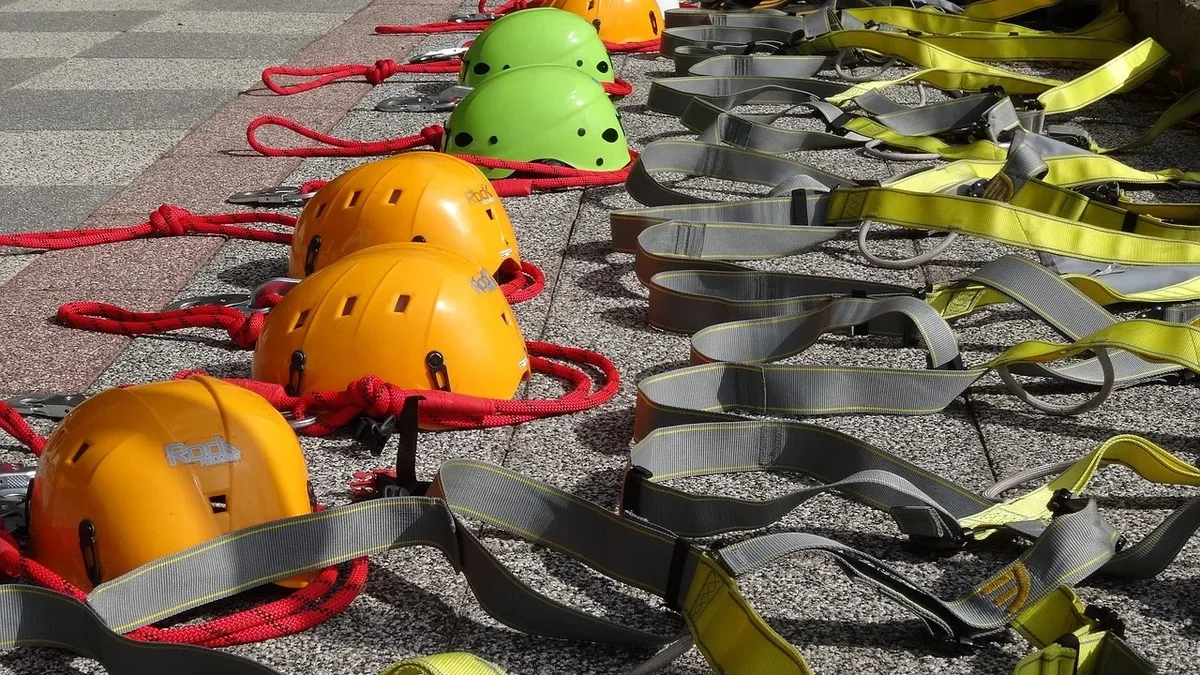
Volunteer search and rescue teams across the U.S., particularly in mountain states, report being overburdened by high call volumes and financial...

Rivian R2 EV Tested on Utah Mountain Trails
A Rivian engineer encouraged a test driver to push the new R2 electric vehicle to over 50 mph on dirt trails in Wasatch Mountain State Park.
Rescuer Runs Blood Up Shortoff Mountain
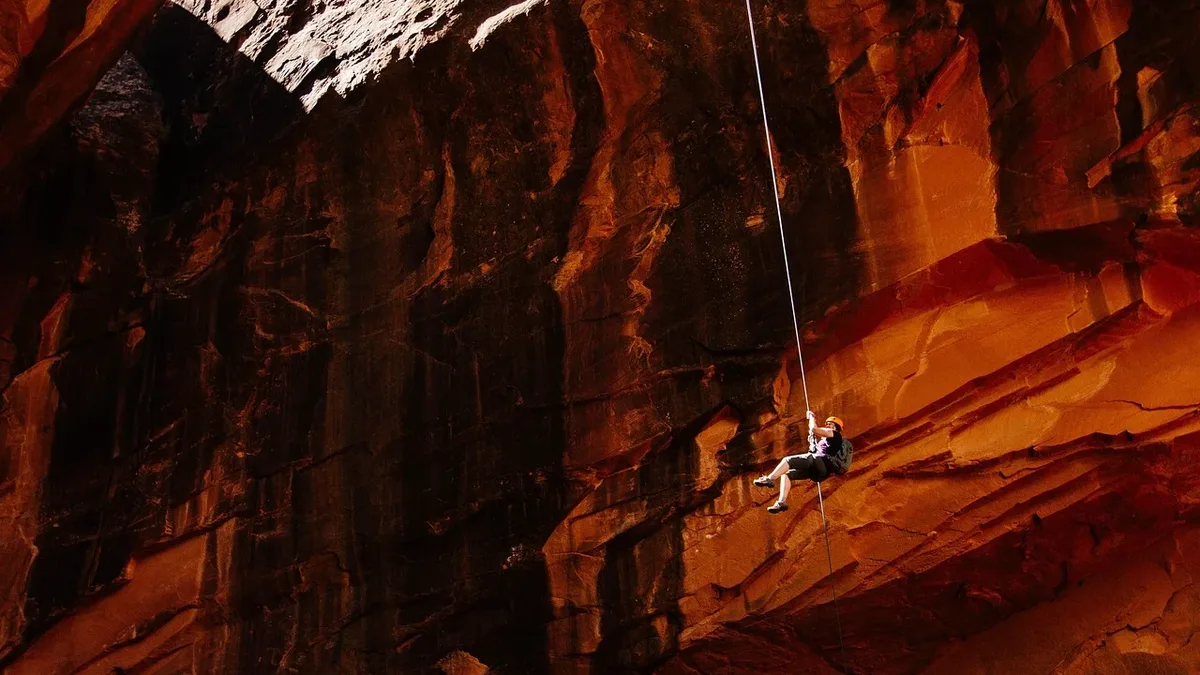
EMT Will Soper ran 1.5 miles and 1,000 vertical feet in 31 minutes to deliver a blood bag to a critically injured climber in North Carolina's Linville
GR54 Hiker Skips Mountain for Village Tour
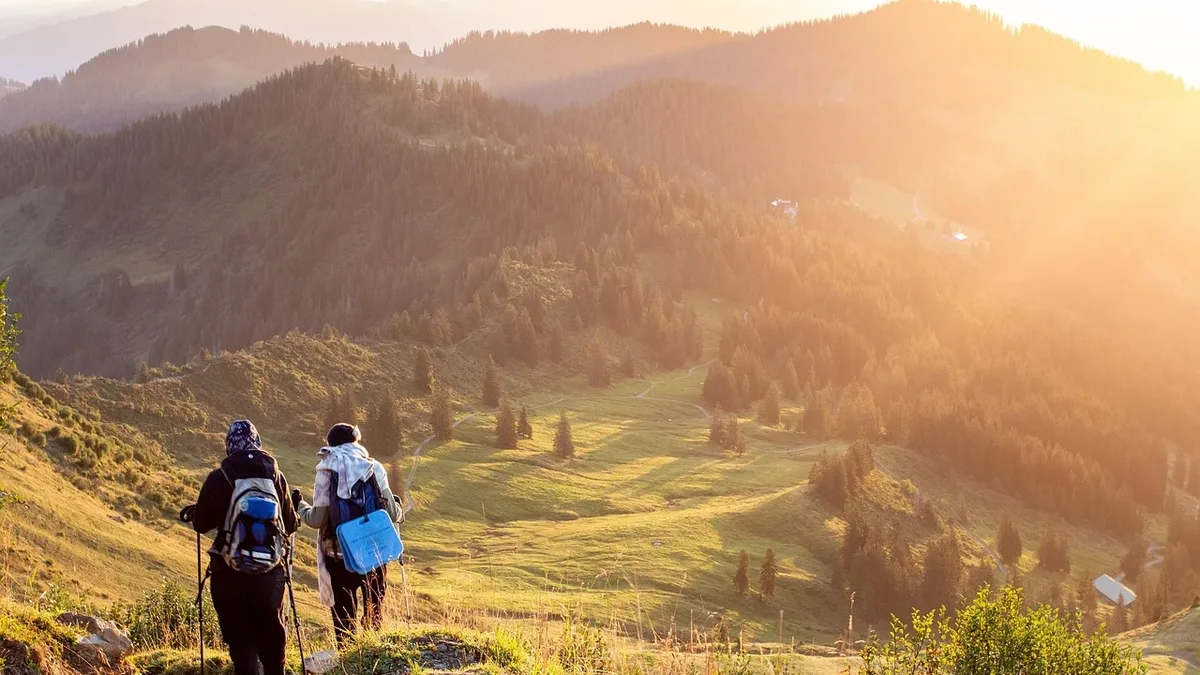
A hiker on the GR54 trail opted for a village day to avoid a repetitive climb, encountering historic sites and extreme heat before reaching a bivouac...
Hiker Prepares for Challenging White Mountain National Forest Terrain
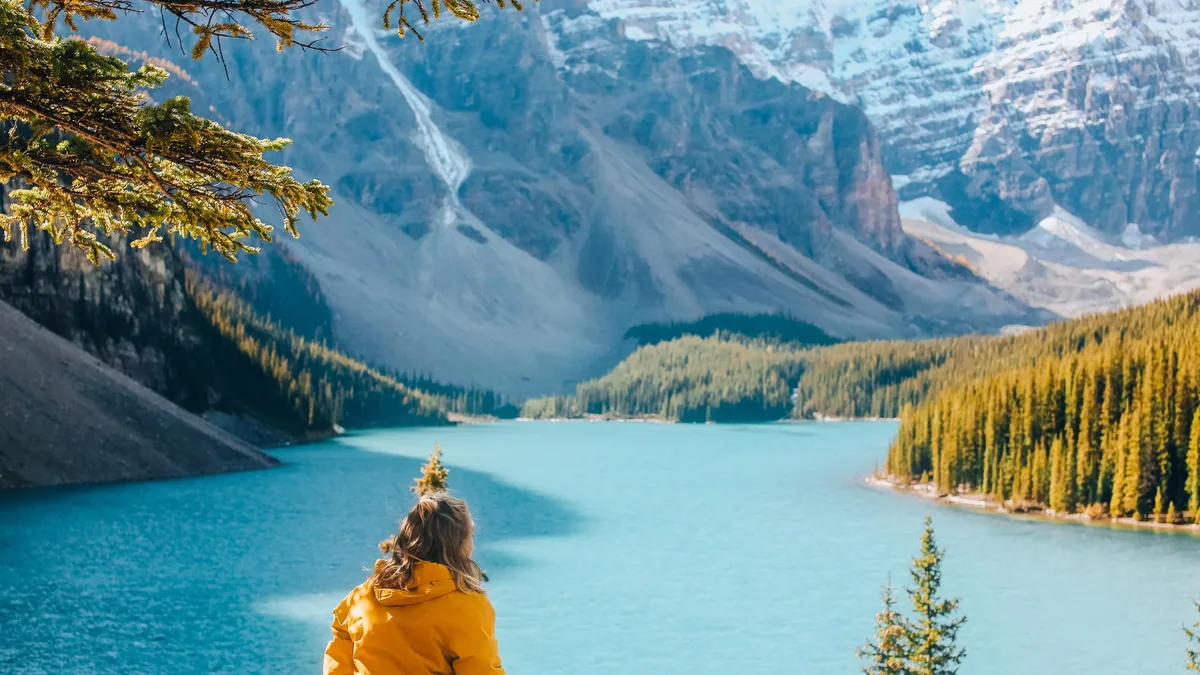
A hiker faces a daunting challenge as they enter the White Mountain National Forest, preparing for a steep climb up Mount Moosilauke with a full pack...