Shelter Big Agnes Copper Spur
| Product name | Copper Spur HV UL2 |
|---|---|
| Brand | Big Agnes |
| Category | Backpacking tent |
| Seasons | 3-season |
| Minimum weight | 2 lbs 12 oz (approx.) |
| Packed size | 20 x 6 inches (approx.) |
| Floor area | 29 square feet (approx.) |
| Poles | DAC Featherlite NFL |
Origin and history
The Copper Spur tent series is manufactured by the outdoor gear company Big Agnes, which is based in the United States. Big Agnes was founded in the town of Steamboat Springs, Colorado, in the early 2000s. The company is named after a nearby mountain peak in the Park Range of the Colorado Rockies. The Copper Spur model line was developed and launched in the first decade of the 2000s as part of the brand's push into lightweight backpacking equipment. Its design philosophy focused on minimizing weight without sacrificing interior living space, a significant shift from many heavier, bulkier tents of the preceding decades. The introduction of the Copper Spur coincided with a broader industry trend toward using lighter materials like silicone-treated nylon and thinner, high-strength aluminum poles.
What it is for
The Copper Spur is a freestanding, double-wall backpacking tent designed for multi-day hiking and camping trips where minimizing carried weight is a primary concern. Its core function is to provide reliable shelter from wind, rain, and insects while occupying minimal space and weight in a backpack. The tent is engineered for three-season use, meaning it is suitable for spring, summer, and fall conditions in most temperate climates. It is intended for established trails and backcountry campsites where the tent will be pitched on relatively flat, clear ground. The design prioritizes livability for its stated capacity, with steep walls and a high ceiling to increase usable interior volume. It is not designed for extreme mountaineering, deep winter snow loading, or harsh, exposed alpine environments where more robust shelters are required.
Pros and cons
A primary advantage of the Copper Spur is its excellent weight-to-space ratio, offering more interior room and vestibule storage than many competitors in the same weight class. The use of high-quality, lightweight materials like silicone-treated nylon fly and ripstop nylon canopy contributes to its overall durability for a lightweight tent. Its freestanding design allows for easy pitching and relocation before staking, which is beneficial on rocky or hard ground. A significant con is its relatively high cost compared to more basic or heavier shelter options, placing it in a premium market segment. The thin, lightweight fabrics, while strong for their weight, are more susceptible to punctures and abrasion than heavier denier materials used in car-camping tents. A common user mistake is over-tightening guylines and pole connections, which can place excessive stress on the lightweight pole hubs and seam tape.
Who it suits
This tent suits weight-conscious backpackers and thru-hikers who prioritize a balance between low pack weight and camp comfort over many miles. It is well-matched for individuals or pairs hiking established long-distance trails like the Pacific Crest Trail or the Colorado Trail, where every ounce matters but reliable weather protection is still needed. The tent is a poor fit for beginners or casual car campers who would find its cost disproportionate to their needs and its lightweight construction unnecessarily delicate for front-country use. It is suitable for hikers who typically camp in forested or sheltered sites, not for those regularly venturing above treeline into exposed, high-wind environments. Budget-focused adventurers who are willing to carry more weight for less money will likely find better value in heavier, more robust shelter alternatives.
Latest Shelter Big Agnes Copper Spur news
Latest reporting
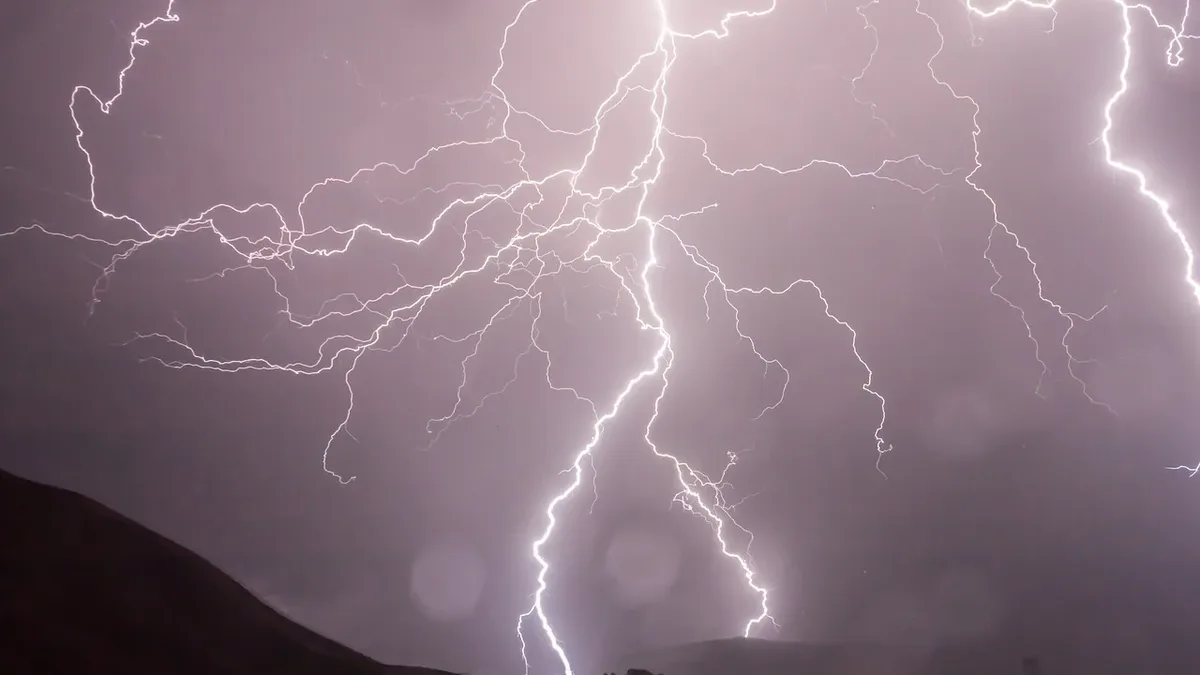
Lightning Strike Kills Hiker in Utah's Tin Shack Shelter
A 19-year-old hiker died after lightning struck a historic metal shelter on Mount Timpanogos, exposing the danger of such structures during storms.
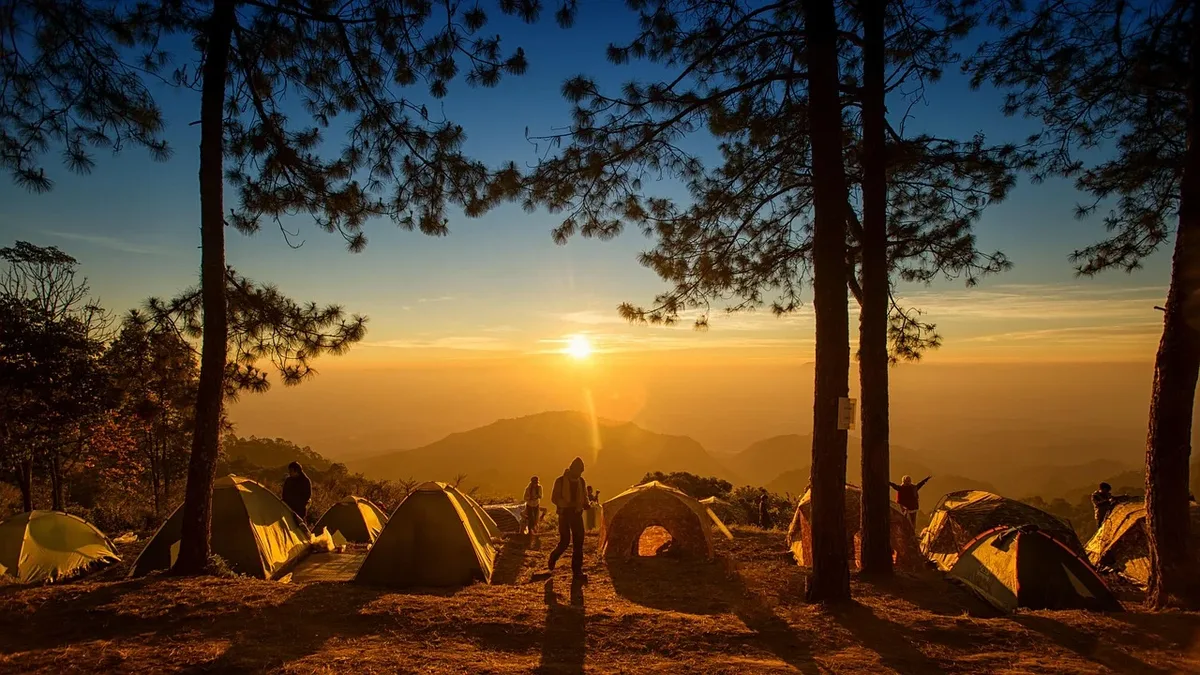
Thru-Hikers Find Shelter and Community at Camp Jonah
A group of Pacific Crest Trail hikers, stalled by a major rainstorm, finds an unexpected haven and forms a new 'tramily' at a former school turned

Goose Pond Shelter Offers Unexpected Luxury
On Day 119 of their thru-hike, the author describes discovering Goose Pond Shelter, a fully enclosed cabin with bunks, mattresses, and a caretaker who
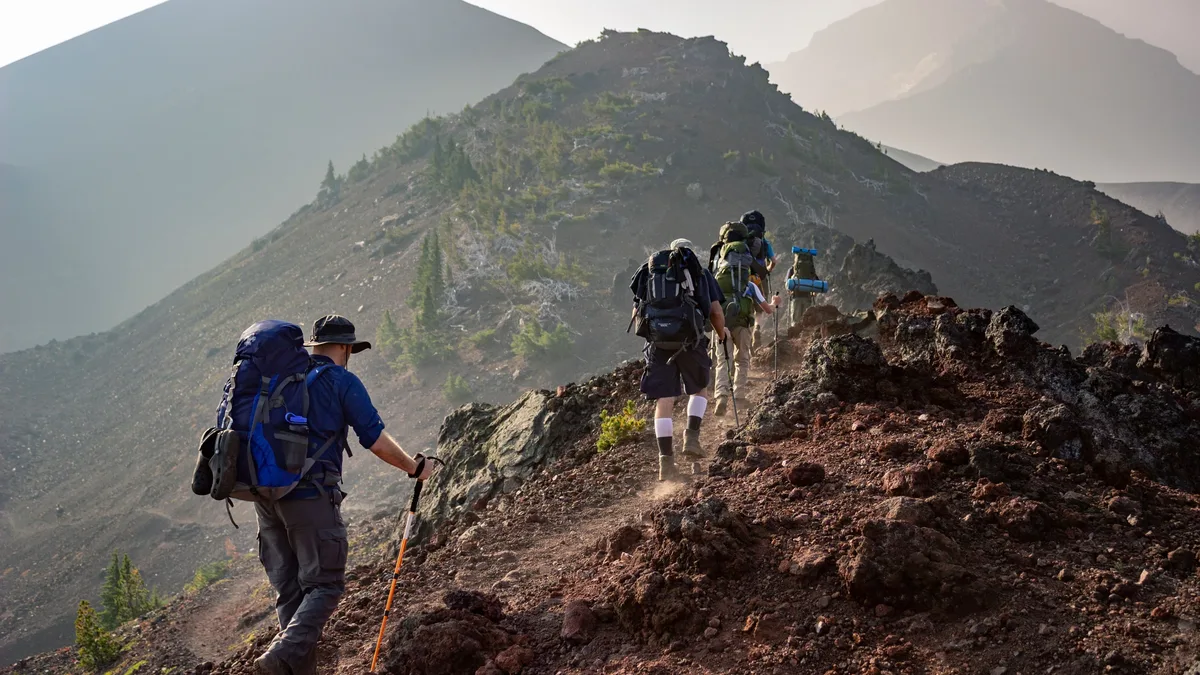
Hikers Emphasize Safety After Trail Scare
A group of older hikers on the Appalachian and Long Trails faced a tense separation at dusk when one missed a shelter turn, underscoring the...
First Steps on the Long Trail: A Challenging Introduction
A hiker begins their journey on Vermont's Long Trail, facing steep terrain, sudden storms, and the physical demands of the route. The day starts with...

A Hiker's Nightmare: Mosquitoes, Rain, and Uncomfortable Shelters on the Appalachian Trail
A hiker recounts a grueling day on the Appalachian Trail, marked by blistering feet, relentless mosquitoes, and a tent flooded by rain, forcing a...