Rain Shells And How Waterproofing Fails
| Route | Pacific Crest Trail |
|---|---|
| Permit | Long-distance permit from the Pacific Crest Trail Association |
| Skill demanded | Backpacking and wilderness navigation |
| Waterproofing technology | Laminated membrane or coated fabric |
| Common failure modes | Delamination, wetted-out face fabric, seam tape degradation |
| Maintenance required | Regular cleaning and reproofing of the durable water repellent (DWR) finish |
| Typical weight range | 6 to 16 ounces |
Origin and history
The modern waterproof rain shell, as a distinct category of outdoor gear, originated from the development of synthetic waterproof-breathable membranes in the latter half of the 20th century. These garments evolved from earlier waterproofed fabrics like oilcloth and rubberized cotton, which were heavy and non-breathable. The critical innovation came with the invention of expanded polytetrafluoroethylene (ePTFE) membranes in the 1970s in the United States, which allowed water vapor to escape while blocking liquid water. This technology was commercialized under brands like Gore-Tex, creating a new standard for high-performance outerwear. Concurrently, durable water repellent (DWR) finishes were developed and applied to outer fabric faces to prevent water saturation. The understanding of how waterproofing fails has been documented through decades of field use by mountaineers, backpackers, and industry testing protocols, forming a body of practical knowledge distinct from marketing claims.
What it is for
A rain shell is a garment designed as the outermost layer in a layering system to protect the wearer from wind and precipitation while allowing metabolic moisture to escape. Its primary function is to maintain a microclimate of relative dryness for the wearer's insulation layers and skin during sustained activity in wet conditions. The waterproof-breathable membrane is the core component that performs this dual function, with seams sealed by tape to prevent water ingress through stitch holes. The durable water repellent (DWR) treatment on the outer fabric causes water to bead and roll off, which is crucial for maintaining the membrane's breathability. These shells are essential for activities where prolonged exposure to rain, sleet, or wet snow is unavoidable and where hypothermia is a genuine risk. They are a critical piece of safety equipment for routes where the weather cannot be reliably predicted and retreat is not immediate, such as multi-day alpine climbs or remote backpacking traverses.
Pros and cons
The primary advantage of a quality rain shell is its reliable protection against wind and water, which can be lifesaving in severe mountain weather. A well-maintained shell allows for sustained activity without the insulation layers beneath becoming soaked from external moisture. The main con is that absolute, permanent waterproofness is a myth; all systems degrade and fail under certain conditions. The durable water repellent (DWR) finish wears off with abrasion, contamination from body oils, or detergent residue, causing the outer fabric to "wet out," which dramatically reduces breathability and can lead to condensation soak from the inside. Membranes themselves can become contaminated by salts or oils, reducing their vapor transmission rate, and seam tape can delaminate over time. Users often regret purchasing shells that prioritize extreme waterproofness over breathability for high-output activities, as they end up wet from sweat instead of rain. The common mistake is treating a shell as a maintenance-free item and failing to refresh the DWR or clean the membrane, leading to premature performance failure.
Who it suits
Rain shells suit any individual undertaking extended outdoor travel where weather exposure is a significant safety factor, not merely a comfort inconvenience. They are mandatory for alpinists and mountaineers attempting routes where a sudden storm could strand them on a technical face, as the shell is a key component of their survival gear. Long-distance backpackers on trails like the Pacific Crest Trail, where resupply points are days apart and the itinerary must be maintained regardless of weather, also rely on these garments. They are less suited for casual day-hikers who can easily postpone their trip or seek immediate shelter during a rain shower, as a simpler, less expensive waterproof layer may suffice. The individual who benefits most understands the gear's limitations, commits to its ongoing maintenance, and integrates it into a full layering system with appropriate moisture-wicking base and insulating mid-layers. This user recognizes that the shell is a tool for managing a critical physical boundary, not an invisible shield against the elements.
Latest Rain Shells And How Waterproofing Fails news
Latest reporting

PCT Hikers Find Joy in Rain-Soaked Goat Rocks Trek
A group of Pacific Crest Trail hikers endure days of cold rain and fog through Washington's Goat Rocks Wilderness, discovering a focused camaraderie...
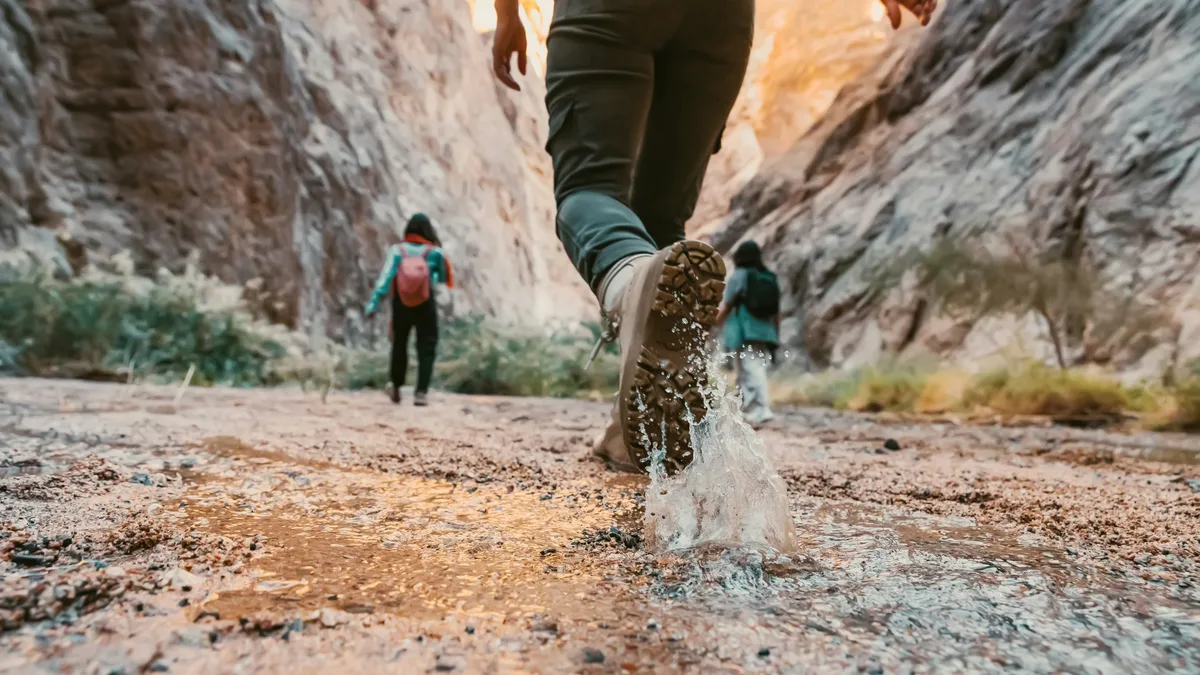
Continental Divide Trail Hikers Face Wet Weather and Long
Hikers on the Continental Divide Trail between Helena and Lincoln encountered persistent rain, a 14-mile waterless stretch, and navigational...

Hiker Battles Glacier Park's Rain and Wind
A Continental Divide Trail hiker endures relentless rain, hail, and fierce winds while crossing a high pass in Glacier National Park, facing severe...

Hiking Umbrellas: Trail Test Verdict
Backpacker magazine tested ultralight hiking umbrellas, finding they offer versatile sun and rain protection, especially in shadeless environments...

A Hiker's Nightmare: Mosquitoes, Rain, and Uncomfortable Shelters on the Appalachian Trail
A hiker recounts a grueling day on the Appalachian Trail, marked by blistering feet, relentless mosquitoes, and a tent flooded by rain, forcing a...
Zero Day in Waterville, Maine
A hiker takes a zero day in Waterville, Maine, to stay dry in the rain and catch up on blog posts.