Food
| Name | Food Trail |
|---|---|
| Country of origin | United States |
| Original use | Culinary tourism and regional promotion |
| Route type | Themed driving route |
| Primary permit | None required |
| Skill level | None required |
| Seasonality | Year-round |
| Typical duration | Multiple days |
Origin and history
The term "food" originates from biological necessity, with its conceptual categorization and cultural significance developing alongside human civilization. The systematic study of food as a scientific and cultural discipline, however, coalesced in the 18th and 19th centuries. This period saw the formalization of nutritional science and the documentation of regional cuisines as stable cultural artifacts. Prior to this, food knowledge was transmitted orally and through practice, embedded within agricultural and culinary traditions. The industrialization of food production in the late 19th and early 20th centuries fundamentally altered its sourcing, preservation, and global distribution. Consequently, the modern understanding of food encompasses a complex web of biology, agriculture, economics, and identity.
What it is for
Food's primary biological function is to provide organisms with the essential nutrients and energy required for maintenance, growth, and reproduction. Beyond sustenance, food serves as a critical medium for social bonding and cultural expression, central to ceremonies, festivals, and daily communal life. It acts as an economic commodity, forming the foundation of global trade networks and agricultural livelihoods. Food also functions as a marker of identity, with dietary choices and traditional dishes signifying ethnic, religious, and regional belonging. Furthermore, the preparation and consumption of food is a key domain for sensory pleasure and artistic creativity through culinary arts. Its strategic control and distribution have also historically been, and remain, a fundamental instrument of political power and policy.
Food map
A conceptual map of food would chart its journey from primary production sources to final consumption. This map begins with agricultural zones, delineating regions known for specific staple crops, livestock, or seafood harvests. It would trace transportation routes that move raw ingredients to processing centers, where they are transformed into various product forms. Distribution networks then channel these products to wholesale markets, retail outlets, and finally to domestic kitchens or food service establishments. The map must also overlay cultural and political boundaries, showing how cuisine regions do not always align with national borders. Additionally, it would note sites of culinary knowledge concentration, such as specific cities renowned for particular dishes or cooking styles. This cartographic representation illustrates the immense, interconnected system required to sustain global food supply chains.
Food photos
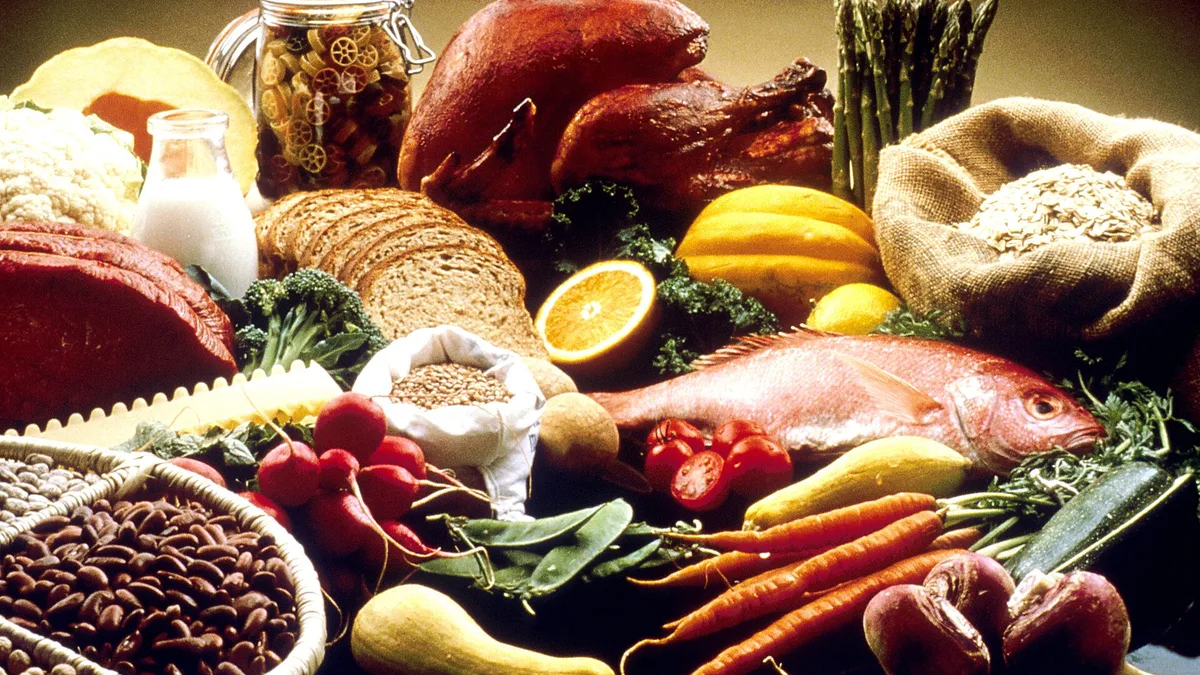
Photographs of food document its immense visual diversity, from the raw beauty of unharvested produce in a field to meticulously arranged finished dishes. They capture the textural contrasts between a crispy crust and a soft interior, or the glossy sheen of a sauce. Such imagery provides a permanent record of plating aesthetics and culinary technique at a specific point in time. Food photography also serves as an ethnographic tool, preserving the appearance of traditional meals that may evolve or disappear. In commercial contexts, these photos are designed to stimulate appetite and convey quality, influencing consumer choice. In scientific or educational settings, they visually catalog species, illustrate nutritional components, or document food safety issues like spoilage.
Best hikes in Food
Exploring the domain of food offers several demanding but rewarding paths of inquiry. A rigorous hike through nutritional science examines the biochemical pathways of macronutrients and micronutrients within the human body. The historical gastronomy trail traces the evolution of specific ingredients and dishes across centuries, noting periods of exchange and innovation. An anthropological route investigates the role of food in ritual, kinship, and social structure within various human societies. The political economy of food is a steep climb, analyzing systems of production, labor, trade policies, and issues of food security and sovereignty. Finally, the culinary arts trail is a practical ascent focused on mastering techniques, flavor combinations, and the artistic presentation of dishes.
Pros and cons
The primary pro of engaging deeply with food is the direct enhancement of health, pleasure, and social connectivity through informed choices and skilled preparation. A significant con is the high risk of misinformation; the field is saturated with unscientific dietary fads and marketing claims that can lead to nutritional imbalance or health issues. Many regret approaching food with excessive restriction or purity dogma, which can foster an unhealthy relationship with eating and diminish social enjoyment. A common mistake is conflating personal dietary preference, often shaped by culture and taste, with universal biological necessity, leading to unnecessary conflict and judgment. The complexity and emotional weight of food can also make objective decision-making difficult, whether at the policy level or in personal nutrition. Furthermore, the time, skill, and financial investment required to source high-quality ingredients and prepare meals from scratch is a genuine barrier for many.
Who it suits
This discipline suits individuals with a keen interest in the tangible connections between biology, culture, and daily life. It is ideal for practical learners who enjoy the hands-on processes of gardening, cooking, and preservation. Those with a scientific mindset are suited to the fields of nutrition, food science, and sustainable agriculture, where empirical analysis is key. Historians and anthropologists find rich material in the evolution of cuisines and foodways as markers of human adaptation and exchange. Advocates and policymakers focused on social justice may concentrate on food security, labor rights, and equitable distribution systems. Finally, it suits artists and craftspeople who express creativity through flavor, texture, and presentation, viewing the plate as a canvas.
Latest Food news
Latest reporting

Long Trail Hikers Find Respite at White Horse Lodge
Thru-hikers on the Long Trail take a zero day at a Vermont lodge, focusing on gear replacement and consuming a massive food resupply after a tough...
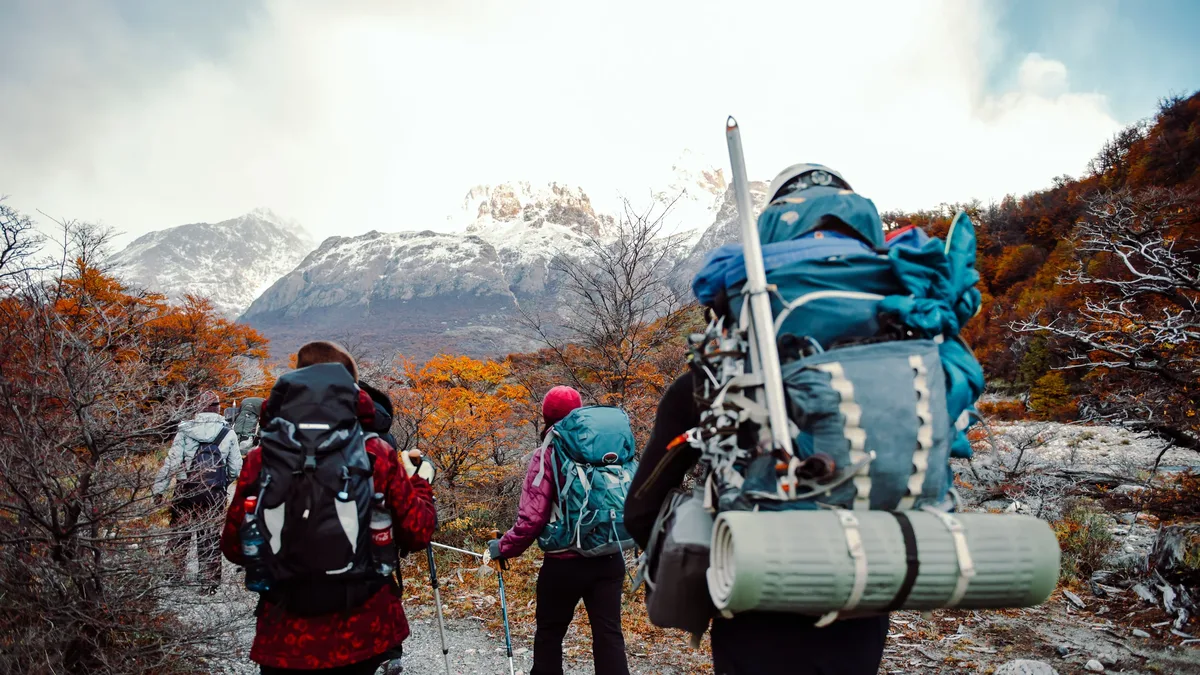
Long Trail Hikers Reunite with Friend After Heavy Resupply
Hikers on Vermont's Long Trail manage a six-day food carry, recover a forgotten wallet, and celebrate a surprise reunion with a fellow trail friend...