What Search And Rescue Actually Does
| Route | The specific path or climb requiring this safety procedure. |
|---|---|
| Permit required | Yes or No. |
| Skill level | Advanced to expert. |
| Original use | To locate and assist climbers in distress on major alpine routes. |
| Primary agency | National Park Service or local mountain rescue association. |
| Typical response time | Varies by weather and team availability. |
| Equipment used | Ropes, harnesses, helicopters, and technical climbing gear. |
Origin and history
The organized, professional practice of modern search and rescue (SAR) as a coordinated civil function originated in the Alpine regions of Europe in the late 19th and early 20th centuries. Its development was driven by the increasing popularity of mountain recreation and the corresponding rise in accidents requiring specialized response. Early formal organizations, such as the Alpine clubs in Austria, Switzerland, and Germany, began establishing volunteer rescue services to aid injured climbers and hikers. The concept was further solidified and professionalized following the two World Wars, which disseminated technical rescue skills and organizational models on a broader scale. In North America, similar models emerged in the mid-20th century, often evolving from National Park Service needs and volunteer mountain rescue councils. This foundational history establishes SAR not as an ad-hoc goodwill effort but as a disciplined operational doctrine built on specific techniques and protocols.
What it is for
Search and rescue exists to locate and provide aid to people who are in distress, lost, injured, or otherwise imperiled in wilderness, remote, or hazardous environments. Its primary function is the recovery of individuals to a point of safety, which involves systematic searching, medical stabilization, and technical extrication. The mission is fundamentally reactive, initiated upon receiving a report of a missing or overdue person, and follows standardized processes for mobilization and field operations. Core tasks include area reconnaissance, clue finding, wilderness medicine, and the use of technical systems for rope rescue, swiftwater rescue, or helicopter hoist operations. It also serves to recover the deceased with dignity and to provide definitive closure for families. Ultimately, SAR is a public safety service that manages the inherent risks of human activity in unmanaged terrain where standard emergency services cannot effectively operate.
Pros and cons
A significant pro of a professional SAR system is its ability to bring highly specialized skills and equipment to bear in environments where typical first responders are not trained to operate, greatly increasing the chance of a successful outcome. The coordinated use of ground teams, dog teams, and aviation assets allows for efficient coverage of large, complex search areas. However, a major con is that response times can be lengthy due to the remote locations, volunteer mobilization requirements, and logistical challenges, during which a patient's condition can deteriorate. A common mistake, often regretted by those who activate SAR, is the failure to carry essential survival gear, a means of communication, or to leave a detailed trip plan, which drastically complicates and prolongs the search. Furthermore, missions can place rescuers themselves in significant danger, leading to secondary incidents. The system also struggles with repeated calls for individuals who intentionally venture into hazardous terrain without adequate preparation, consuming limited resources.
Who it suits
This system suits individuals and groups who responsibly engage in outdoor pursuits but acknowledge the possibility of unforeseen accidents, such as a sudden injury, severe weather, or navigational error. It is designed for those who have taken basic precautions, including leaving a trip plan with a responsible person and carrying appropriate gear, as these actions enable a faster, more effective SAR response. The service is essential for managing the risks associated with permitted activities in gated wilderness areas, where the governing agency has a duty of care and a legal responsibility to coordinate response. It does not suit those seeking reckless adventure without consequence, as reliance on SAR is not a substitute for personal skill and judgment. The system ultimately serves the broader public interest by maintaining a safety net that allows for the enjoyment of wild places, while demanding a shared responsibility for preparedness from all users.
Latest What Search And Rescue Actually Does news
Latest reporting
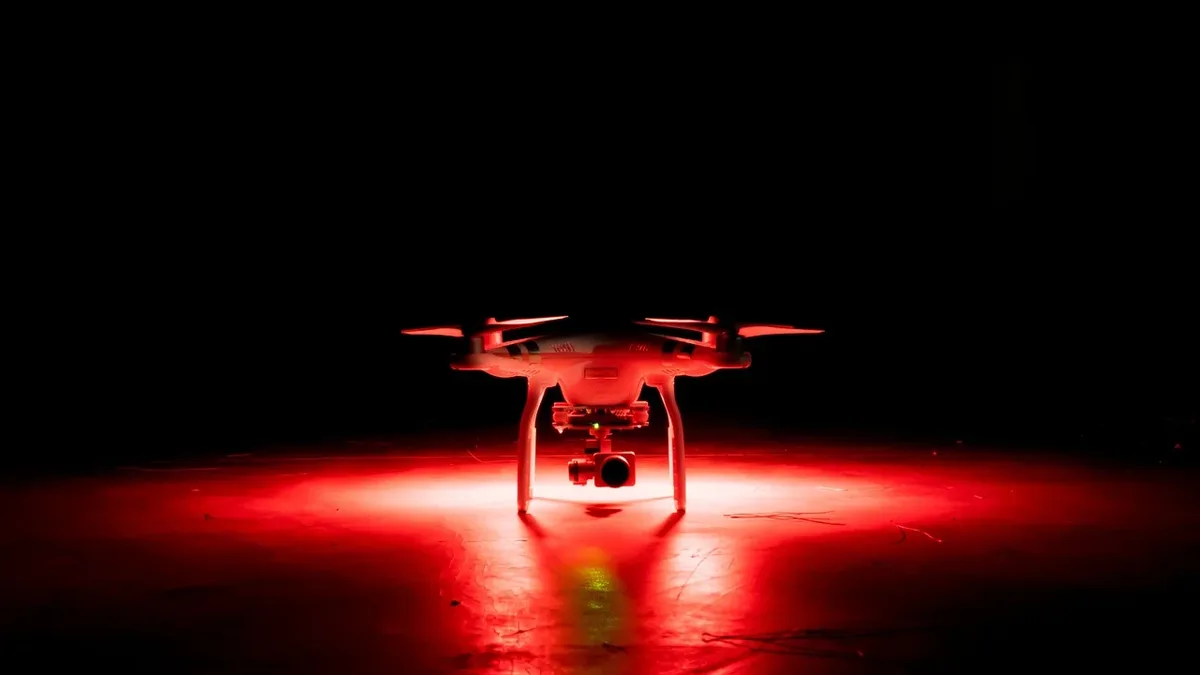
Colorado UTV Rescue Uses Spotlight Drones on 250-Foot Fall
Grand County Search and Rescue used drones with spotlights to perform a five-hour, overnight technical rope rescue after a UTV driver fell 250 feet...
Kayakers Rescue Missing Hiker on Isle Royale After 11-Day
A 70-year-old hiker lost for 11 days in Isle Royale National Park was rescued by two kayakers, ending an extensive search operation involving ground...
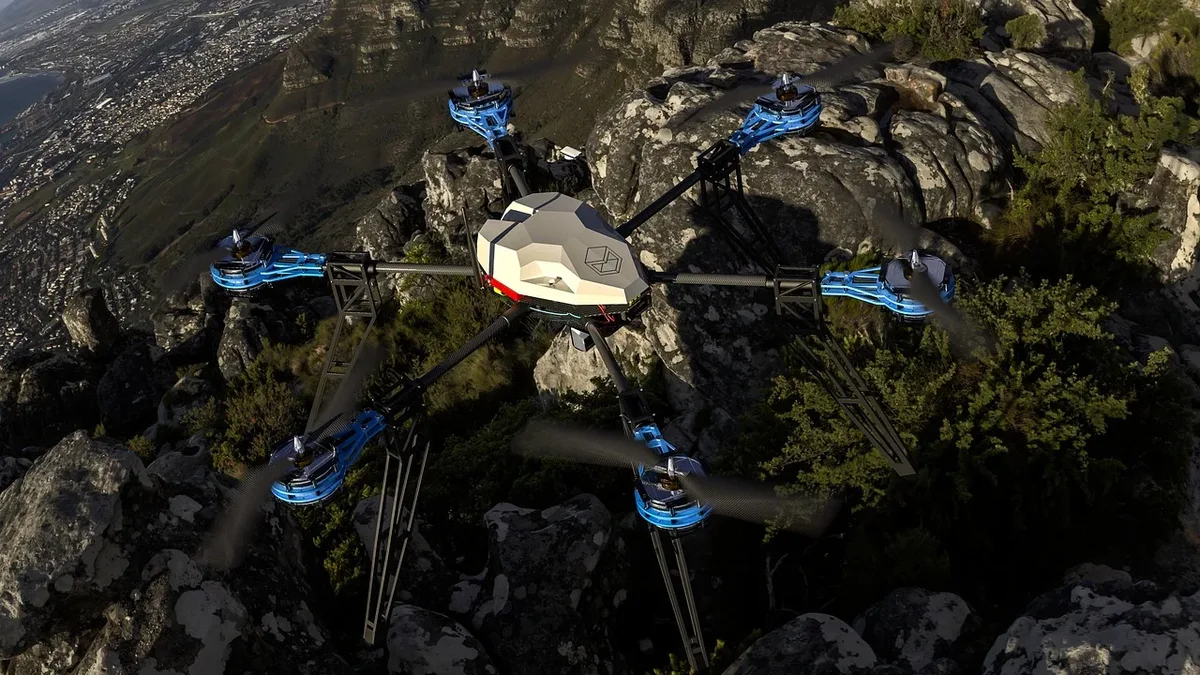
Drone Delivers Rope and Jacket for Stawamus Chief Cliff
Squamish Search and Rescue used two drones to deliver a jacket, headlamp, and climbing rope to a stranded climber on the Alaska Highway route of the
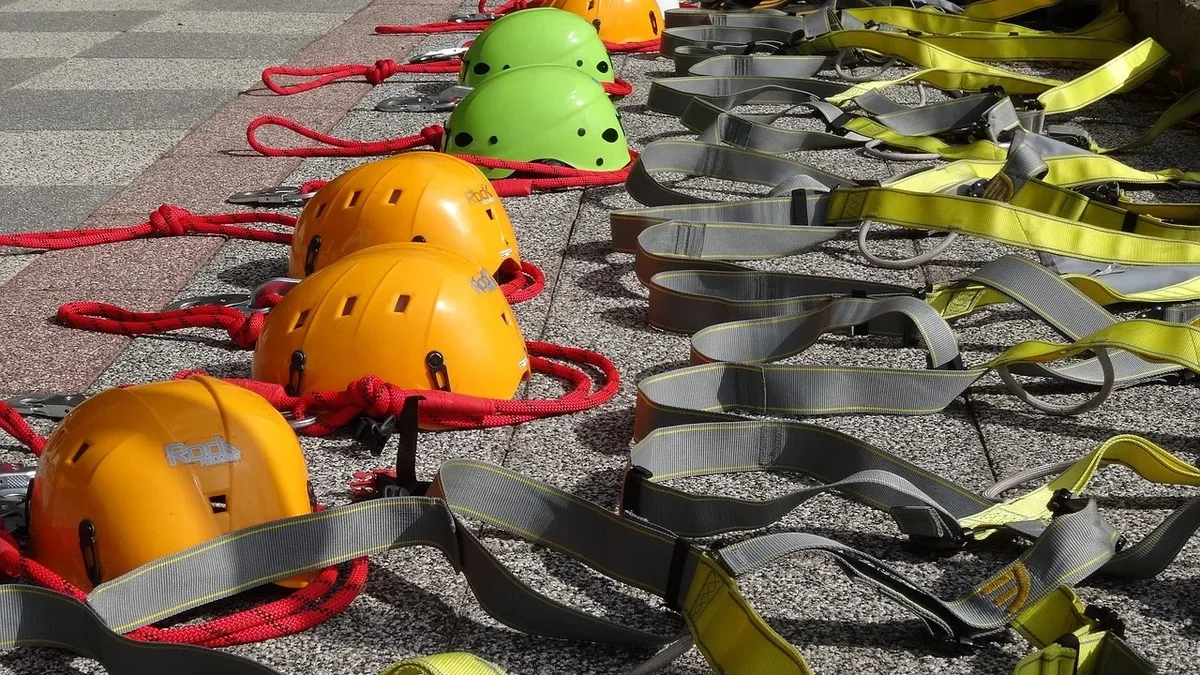
Search and Rescue Teams Face Record Callouts and Strain
Volunteer search and rescue teams across the U.S., particularly in mountain states, report being overburdened by high call volumes and financial...
Ultralight Expert's Final Gear Picks and Passes
In his final column for Backpacker, ultralight gear expert Nate Pipenberg details specific equipment he would buy with his own money and what he...
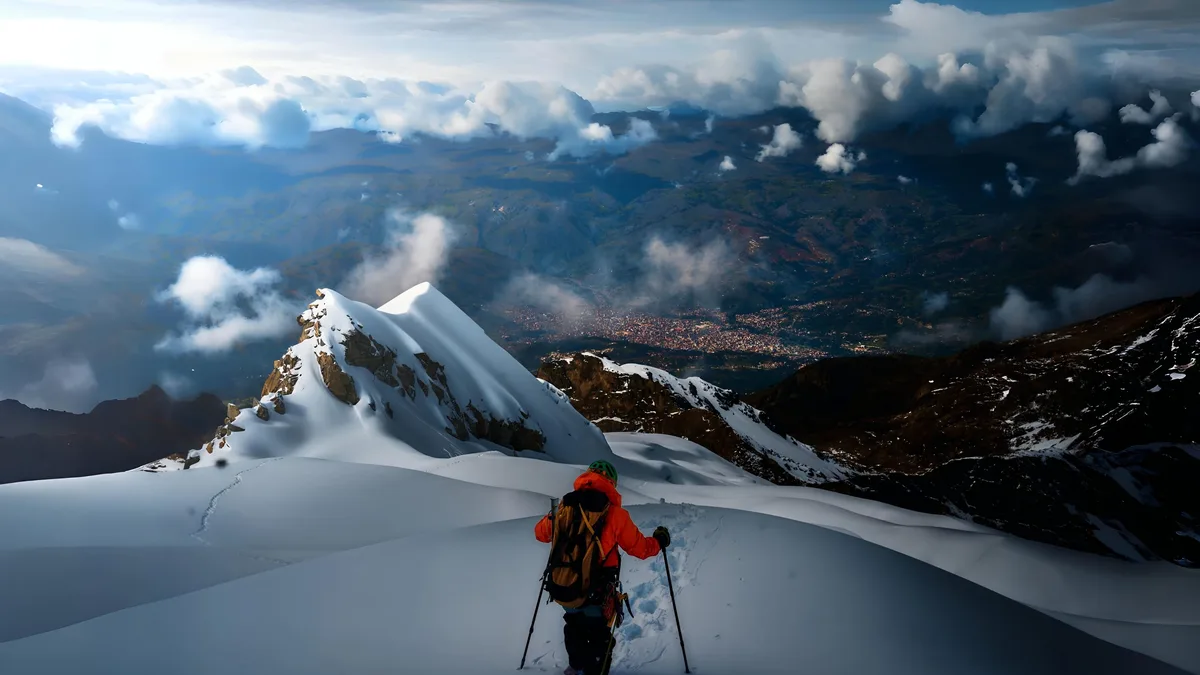
Michelle Vanek's 2005 Disappearance on Mount
A podcast details the 2005 disappearance of hiker Michelle Vanek on Colorado's Mount of the Holy Cross and the massive, fruitless search.