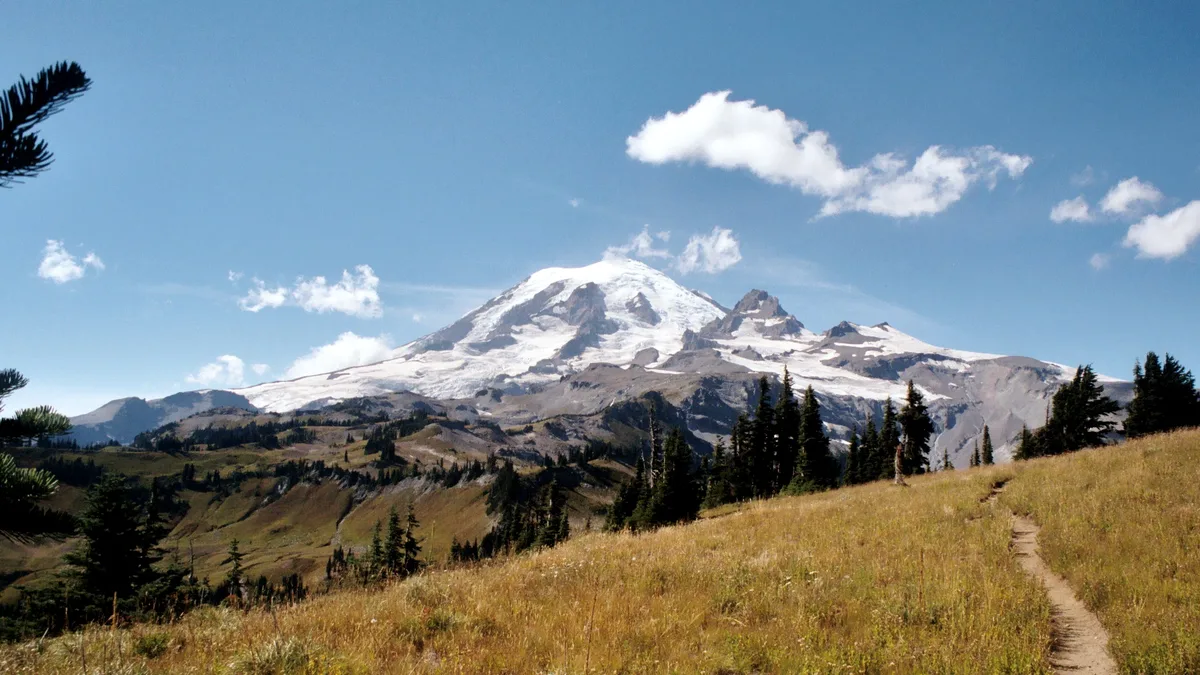
Wonderland Trail
| Country of origin | United States |
|---|---|
| First created | 1915 (trail concept documented) |
| Original use | Recreational hiking and scenic access |
| Length | Approximately 93 miles (150 km) |
| Loop | Yes |
| Primary location | Mount Rainier National Park, Washington |
| Permit type | Advanced reservation quota system for wilderness camping |
| Typical thru-hike time | 10 to 14 days |
| Difficulty | Strenuous |
Origin and history
The Wonderland Trail is a long-distance hiking circuit located in the United States, specifically within Mount Rainier National Park in the state of Washington. Its creation is intrinsically linked to the early development of the national park, which was established in the late 19th century. The trail's concept emerged from the desire to provide access to the park's scenic backcountry, with construction beginning in the early 1910s by the park's first superintendent and crews. Much of the trail's initial routing was completed by the 1920s, facilitated by the labor of the Civilian Conservation Corps during the 1930s which improved its infrastructure. The trail was designed to encircle Mount Rainier, connecting the various valleys and ridges that radiate from the mountain. Its historical purpose was both recreational and administrative, allowing for patrols and fire watch, while opening the alpine landscape to determined hikers.
What it is for
The Wonderland Trail serves as a dedicated pathway for circumnavigating Mount Rainier on foot, providing sustained immersion in the park's diverse ecosystems. Its primary function is to facilitate a multi-day wilderness hiking experience, with a network of designated campsites spaced along its length for overnight use. The trail acts as a conduit through a range of environments, from dense old-growth forests and river valleys to high alpine meadows and rocky passes. It is specifically designed for through-hiking, meaning its logistical structure of campsites and resupply points supports completing the entire circuit. The trail also provides access to more remote areas of the park for skilled backpackers, away from the more accessible day-use areas. Furthermore, it serves as a significant physical challenge and a benchmark for backpacking proficiency within the national park system.
Pros and cons
A primary advantage of the Wonderland Trail is the unparalleled and varied scenery it offers, encompassing close views of glaciers, volcanic landscapes, and prolific subalpine wildflower displays. The well-established infrastructure of designated campsites and reliable water sources, when treated, provides a structured backcountry experience. A significant con is the intense competition for the limited permits required for overnight use, which are distributed via a lottery and advanced reservation system that often results in hikers not obtaining their desired itinerary. The trail's difficulty is frequently underestimated; the constant, steep elevation gains and losses totaling over 22,000 feet can lead to physical exhaustion and overuse injuries, particularly for those with inadequate training. Weather is a major variable that can turn the trip miserable, with persistent rain, fog obscuring views, and early-season snow on high passes being common issues. A common mistake is failing to properly plan for river crossings, which can become hazardous with seasonal snowmelt and require route adjustments or dangerous fords.
Who it suits
This trail suits experienced backpackers who have mastered multi-day trip logistics, including food resupply, managing varied weather, and navigating with a map and compass. It is ideal for individuals seeking a physically demanding challenge that involves significant daily elevation change over rugged terrain. The trail appeals to those with a high degree of flexibility and patience, both for securing a permit and for adapting to trail conditions like weather or route closures. It is not suitable for novice backpackers or those attempting their first overnight hike, due to the skill and stamina required. The Wonderland Trail suits hikers who prioritize profound natural immersion over mileage speed, as the terrain often dictates a slower, more deliberate pace. It also matches the preferences of individuals who are self-sufficient and committed to strict Leave No Trace principles in a heavily used, fragile alpine environment.
Latest Wonderland Trail news
Latest reporting
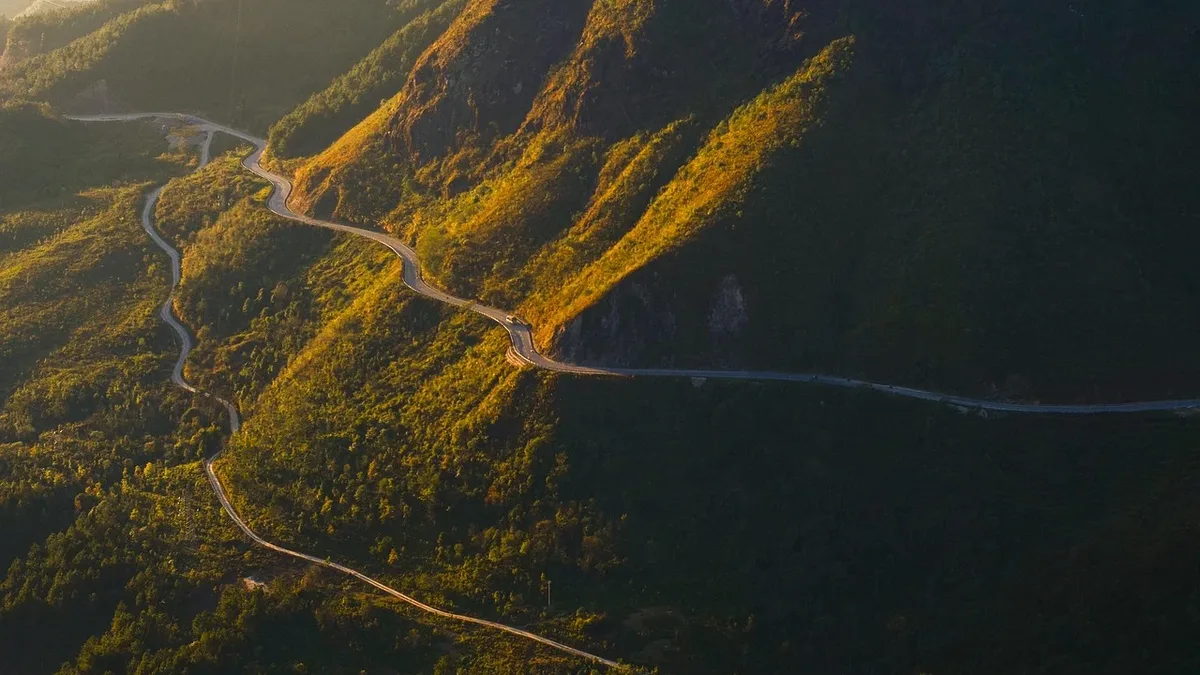
Overlanding Secrets of the American West
A veteran overlander shares three remote routes for vehicle-based exploration, while a group of resilient hikers celebrates completing the Pacific...
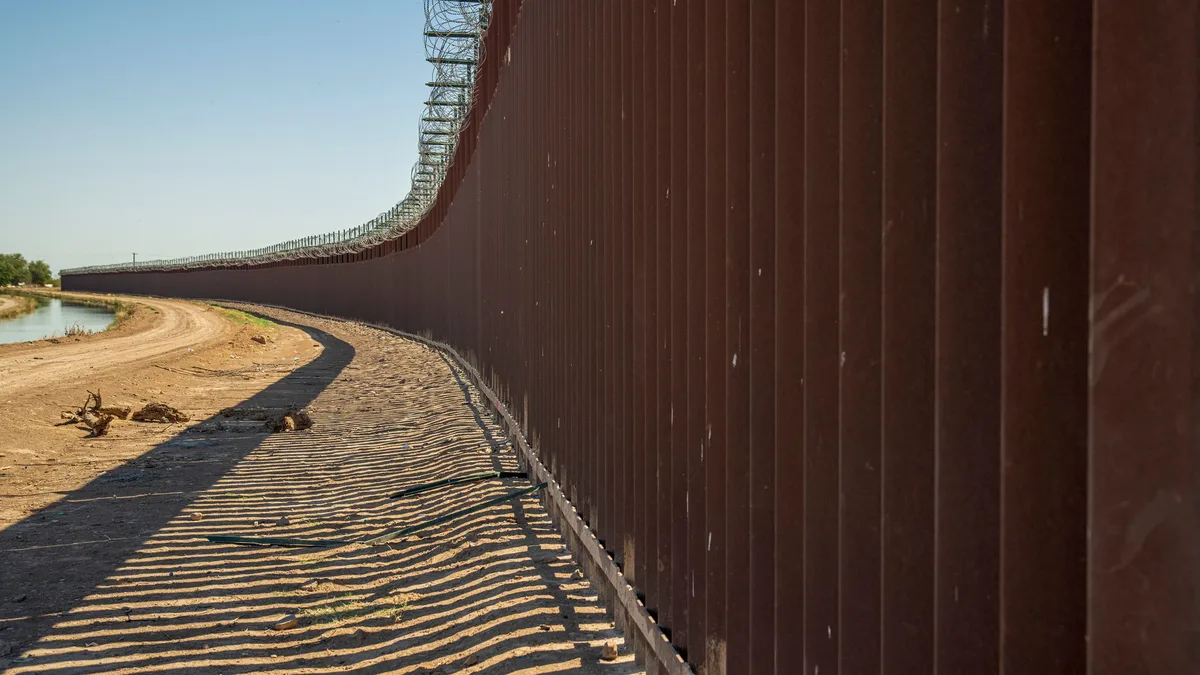
Continental Divide Trail terminus reopens after border wall closure
The southern terminus of the Continental Divide Trail has reopened after a more than two-week closure caused by border wall construction within a...

Colorado Trail's Southern Terminus Blocked by Flood Debris
Severe flooding in southwestern Colorado has destroyed a key footbridge and blocked the Junction Creek Trail, closing the southernmost section of the...
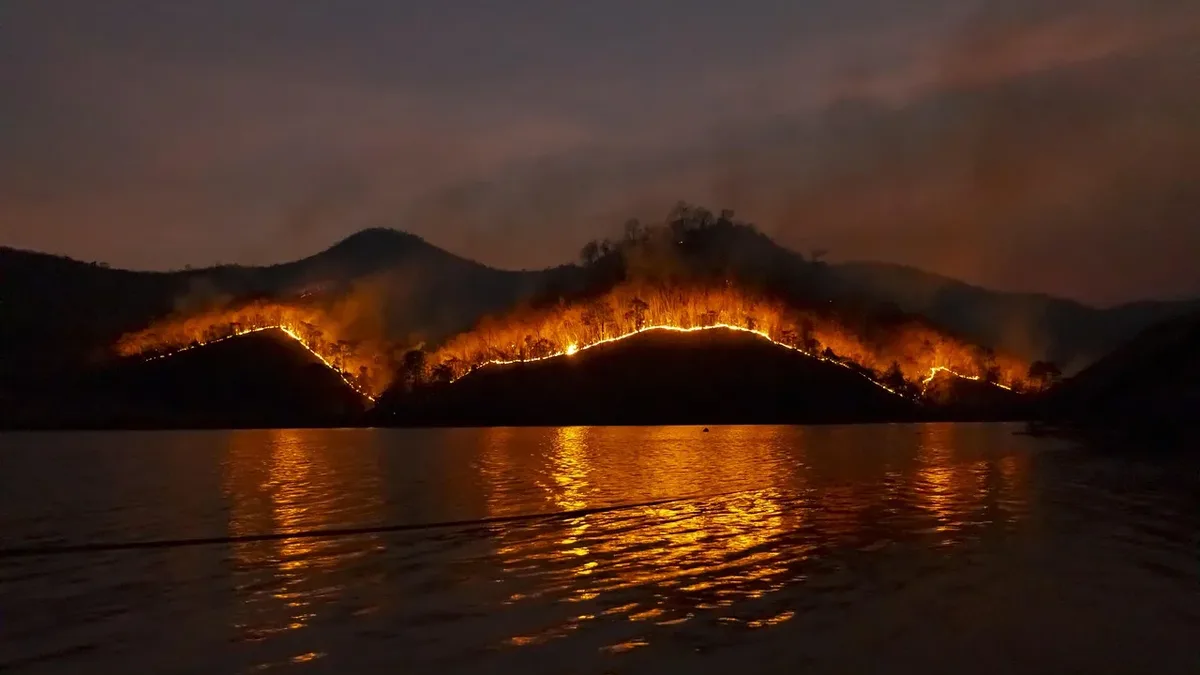
Wild River Fire Threatens Appalachian Trail in White Mountains
A human-caused wildfire in New Hampshire's White Mountains has burned over 865 acres near the Appalachian Trail, prompting trail closures and a major...
Lost PCT Hiker Rescued After 911 Call Pinpoints Location
A hypothermic hiker who wandered seven miles off the Pacific Crest Trail was rescued after deputies tracked his snowy footprints for nearly five...
Arizona Trail hikers handle Grand Canyon closure to reach river
A group of Arizona Trail hikers used another backpacker's permits to descend into the Grand Canyon after the North Kaibab Trail section closed...