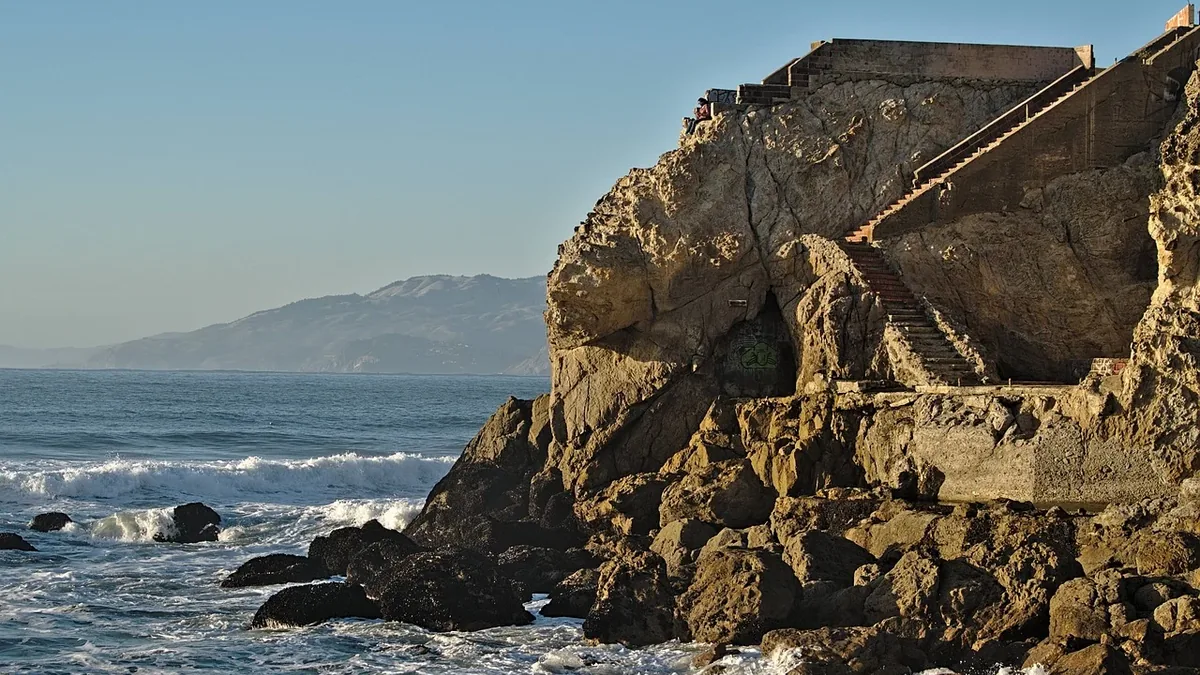
West Coast Trail
| Country of origin | Canada |
|---|---|
| First created | Early 20th century (1907 for initial construction) |
| Original use | Lifesaving trail for shipwreck survivors |
| Route type | Multi-day coastal wilderness hiking trail |
| Permit type | Mandatory, quota-controlled wilderness use permit |
| Difficulty level | Strenuous |
| Trail length | Approximately 75 kilometers |
| Typical duration | 5 to 7 days |
Origin and history
The West Coast Trail is a hiking route located on the southwestern edge of Vancouver Island in British Columbia, Canada. Its origin is tied to late 19th-century shipwrecks and maritime rescue along a stretch of coastline notoriously known as the "Graveyard of the Pacific." In the early 1900s, the Canadian government established a telegraph line and a trail for shipwreck survivors and linemen to travel along this remote shore. This lifesaving path fell into disuse following advancements in maritime navigation and communication after the Second World War. By the 1960s, recognizing its recreational potential and historical significance, Parks Canada began developing the trail for public use within the newly established Pacific Rim National Park Reserve. It officially opened as a challenging long-distance hiking trail for the public in the early 1970s, transforming from a vital rescue route into a premier wilderness trek.
What it is for
The West Coast Trail is a 75-kilometer wilderness hiking route within Pacific Rim National Park Reserve, administered by Parks Canada. Its primary function is to provide a demanding, multi-day backpacking experience through a rugged coastal temperate rainforest and shoreline ecosystem. The trail serves as a controlled access point for experiencing a remote area featuring old-growth forests, sandstone shelves, beaches, and significant historical artifacts from its maritime past. It functions as a linear route with fixed entry and exit points, requiring hikers to traverse its entire length over typically five to seven days. The trail's design, including ladders, cable cars, and boardwalks, is for navigating the challenging terrain of cliffs, bogs, and river crossings. Its management system, including mandatory permits and orientation sessions, is for ensuring visitor safety and minimizing environmental impact on the sensitive coastal region.
Pros and cons
A primary advantage of the West Coast Trail is the profound wilderness experience it offers, combining pristine beaches, dense rainforests, and abundant wildlife viewing opportunities in a remote setting. The trail's historical elements, such as shipwreck remnants and old telegraph equipment, provide a unique layer of interest beyond the physical challenge. The infrastructure of ladders and cable cars, while physically demanding, allows access to landscapes that would otherwise be impassable. A significant drawback is the trail's extreme physical difficulty, where constant challenges like slippery roots, deep mud, and steep ladder climbs lead to a high rate of injuries such as sprains and stress fractures. Many hikers regret underestimating the logistical complexity, including precise tide schedule adherence for safe beach passages and the difficulty of securing a permit during the competitive reservation window. The common mistake is failing to adequately train with a loaded backpack on similar uneven terrain, leading to exhaustion that diminishes enjoyment and increases safety risks partway through the trek.
Who it suits
This trail suits experienced backpackers who have logged multiple multi-day trips and are proficient in backcountry camping, navigation, and leave-no-trace principles. It is appropriate for individuals or small groups with a high level of physical fitness, strong endurance, and proven resilience to handle consecutive days of strenuous activity with a heavy pack. The trail suits those who are self-sufficient, prepared for variable and consistently wet weather, and capable of managing river crossings and tidal zones safely. It is not suitable for novice hikers, families with young children, or anyone seeking a casual or comfortable wilderness experience due to the unrelenting difficulty and objective hazards. The route appeals to hikers who value a sense of accomplishment from completing a renowned challenge and who have the patience and organization to navigate the permit reservation system well in advance. It is ill-suited for anyone with a fear of heights, significant knee or joint issues, or an inability to commit to the rigorous pre-trip planning and physical conditioning required.
Latest West Coast Trail news
Latest reporting

Overlanding Secrets of the American West
A veteran overlander shares three remote routes for vehicle-based exploration, while a group of resilient hikers celebrates completing the Pacific...

Continental Divide Trail terminus reopens after border wall closure
The southern terminus of the Continental Divide Trail has reopened after a more than two-week closure caused by border wall construction within a...

Colorado Trail's Southern Terminus Blocked by Flood Debris
Severe flooding in southwestern Colorado has destroyed a key footbridge and blocked the Junction Creek Trail, closing the southernmost section of the...
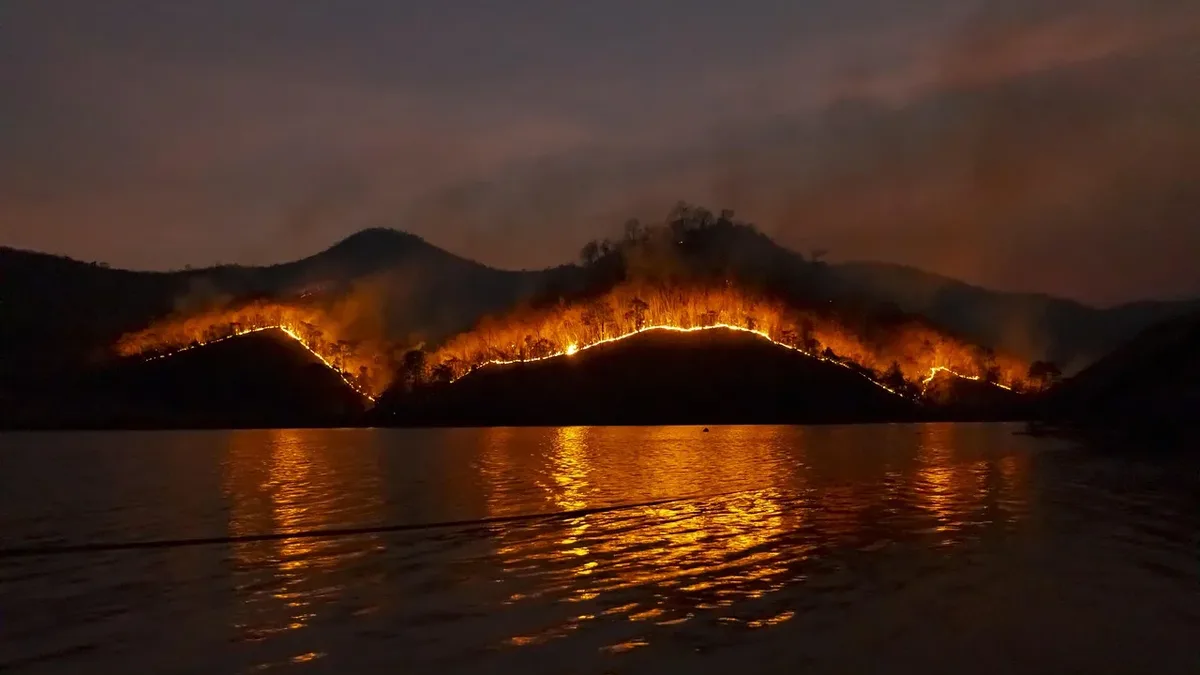
Wild River Fire Threatens Appalachian Trail in White Mountains
A human-caused wildfire in New Hampshire's White Mountains has burned over 865 acres near the Appalachian Trail, prompting trail closures and a major...
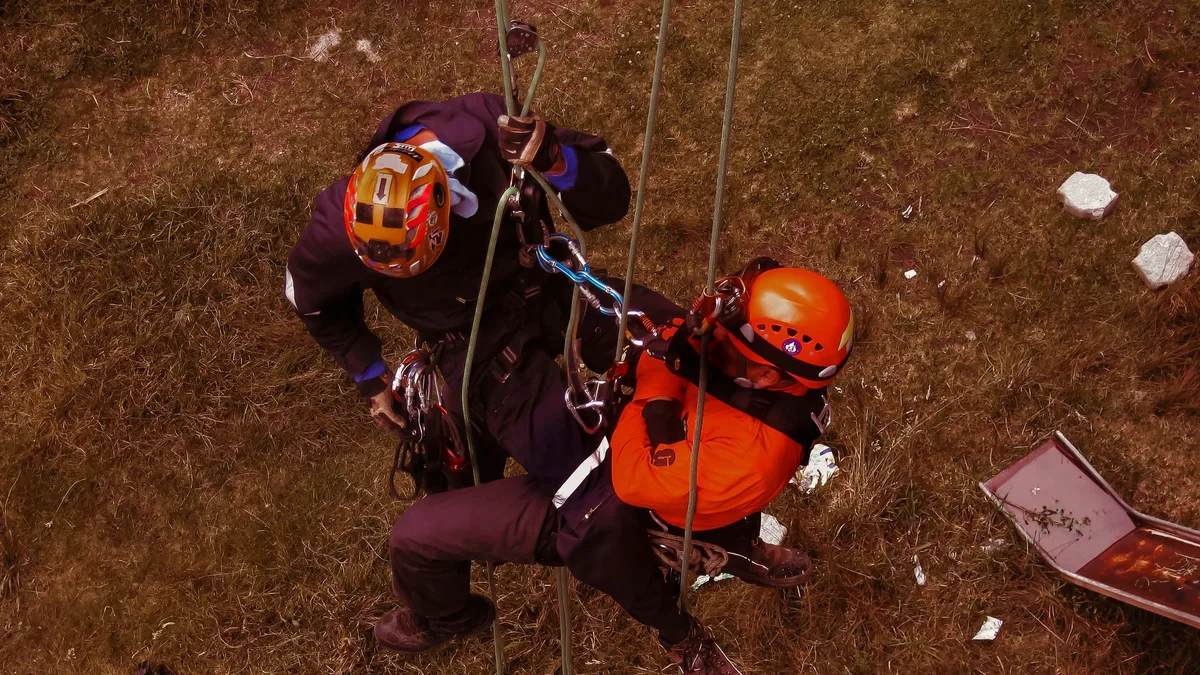
Two Climbers Die from Anchor Failure on West Apostle Mountain
Two Colorado Mountain College students, Kaden Matsuda, 19, and Jackson Donlon, 20, died instantly after a climbing anchor catastrophically failed...

Lost PCT Hiker Rescued After 911 Call Pinpoints Location
A hypothermic hiker who wandered seven miles off the Pacific Crest Trail was rescued after deputies tracked his snowy footprints for nearly five...