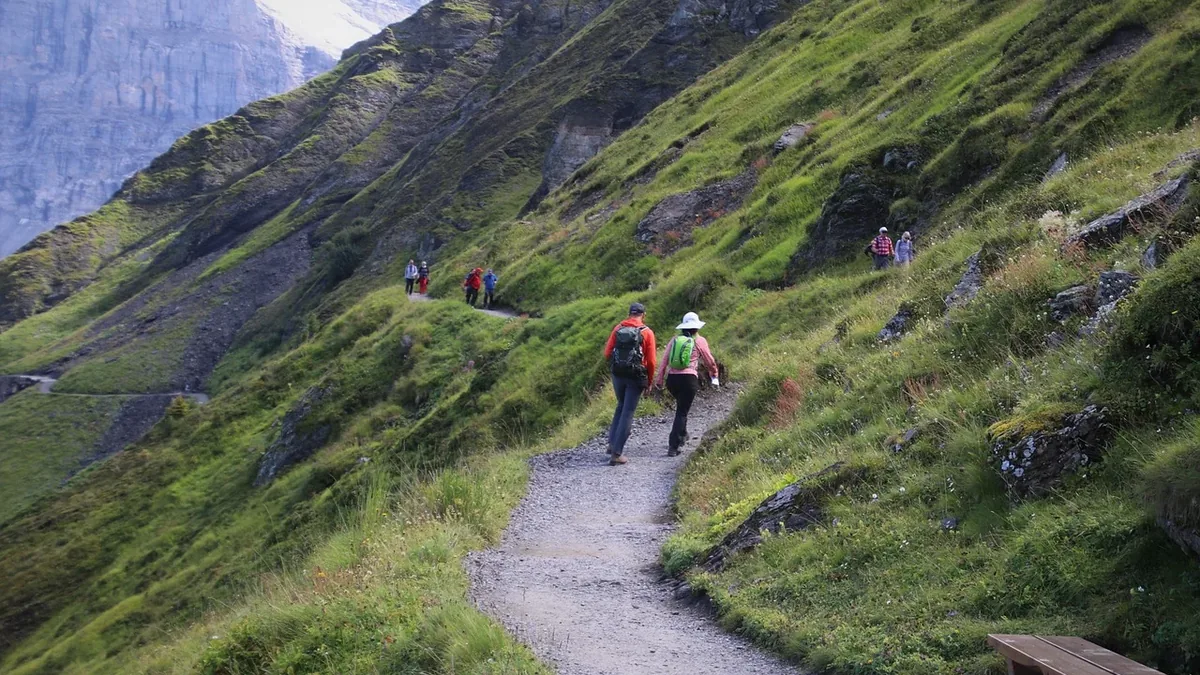
Teton Crest Trail
| Country of origin | United States |
|---|---|
| First created | Early 20th century (trail documented) |
| Original use | Stock driving and backcountry access |
| Route type | High-elevation alpine trail |
| Typical length | 35 to 45 miles (varies by chosen route) |
| Permit required | Yes, for overnight use |
| Skill level | Intermediate to advanced backpacking |
Origin and history
The Teton Crest Trail is a high-altitude hiking route located within the Teton Range of northwestern Wyoming, United States. Its development is intrinsically linked to the establishment and management of Grand Teton National Park, which was created in its modern form in the mid-20th century. The trail's precise origins are not documented to a single year, but its alignment follows historic game trails and routes used by early climbers and explorers of the region. The trail's formalization as a continuous, maintained path occurred over subsequent decades as the National Park Service developed the park's backcountry infrastructure. It represents a deliberate design to provide access to the alpine core of the range while minimizing ecological impact. The trail's existence is a product of 20th-century American conservation philosophy, balancing wilderness preservation with recreational access.
What it is for
The Teton Crest Trail serves as a premier through-hiking route designed to traverse the high alpine and subalpine terrain of the Teton Range. Its primary function is to provide multi-day backpackers with a continuous path through some of the most dramatic mountain scenery in the contiguous United States. The trail connects several key geological features and scenic basins, including Death Canyon, Alaska Basin, the South and Middle Teton glaciers, and Paintbrush Canyon. It is engineered for foot travel only, with no sections suitable for wheeled vehicles or stock animals beyond specific designated areas. The route's purpose is to offer a sustained wilderness experience, with designated campsites and bear-resistant food storage methods mandated to protect both visitors and the ecosystem. It functions as the backbone for a network of shorter trails and is a critical component of the park's backcountry management strategy.
Pros and cons
A primary advantage of the Teton Crest Trail is its consistent, spectacular scenery, with panoramic views of the Cathedral Group peaks rarely leaving the hiker's sight. The trail's high-elevation routing provides a sense of immersion in raw alpine geology that is difficult to match. A significant drawback is its notoriously short and volatile season, typically limited from mid-July to mid-September, with lingering snowfields and sudden snowstorms posing serious hazards outside this window. Many hikers regret underestimating the physical and logistical demands, particularly the altitude gain and loss, which can exceed 2,000 feet in a single climb. A common mistake is failing to secure the required permits, which are highly competitive and gate all legal access to the trail's overnight use. The route's popularity can also lead to crowded campsites and a diminished sense of solitude during peak periods, despite its remote setting.
Who it suits
This trail suits experienced backpackers who possess strong route-finding skills, high physical fitness, and familiarity with multi-day trips in bear country. It is ideal for hikers who prioritize dramatic mountain vistas over forested terrain and who are prepared for variable, potentially severe weather conditions including cold temperatures, high winds, and afternoon thunderstorms. The trail is well-suited for those who have successfully planned and executed similar high-altitude trips and who understand the need for meticulous food storage and Leave No Trace practices. It is not suitable for beginners, those with a low tolerance for exposure on narrow trails, or individuals seeking a casual wilderness stroll. The trail best serves backpackers who are organized enough to navigate the permit system months in advance and who value a physically challenging, logistically complex objective.
Latest Teton Crest Trail news
Latest reporting
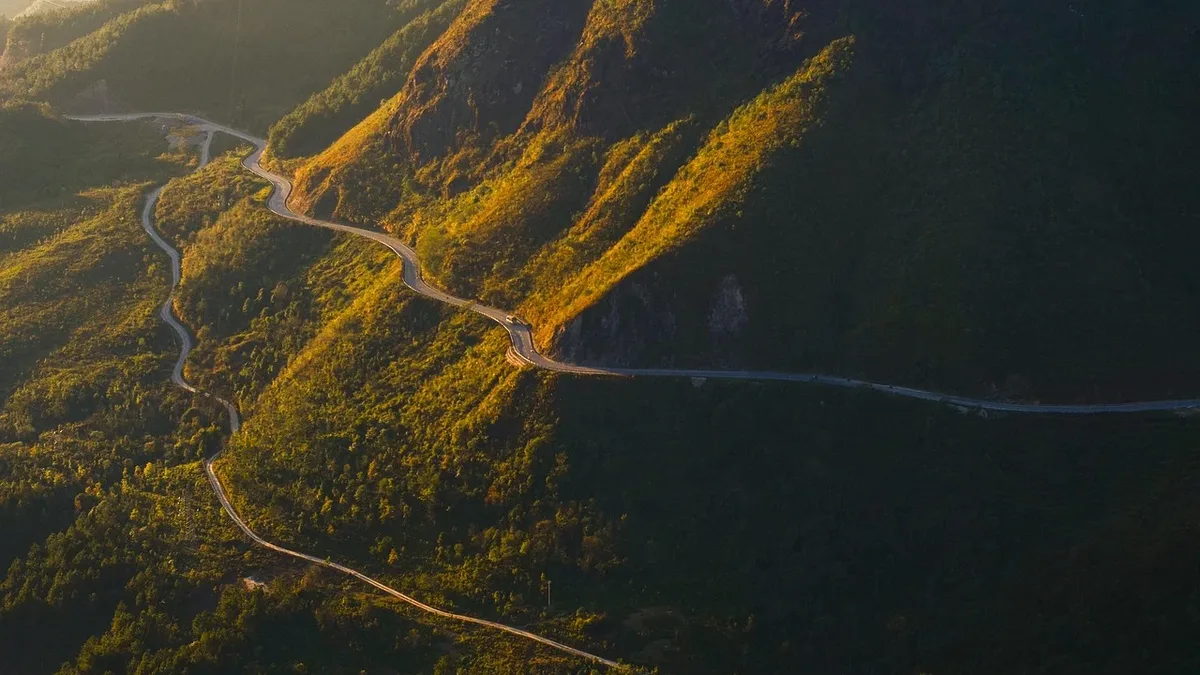
Overlanding Secrets of the American West
A veteran overlander shares three remote routes for vehicle-based exploration, while a group of resilient hikers celebrates completing the Pacific...

Continental Divide Trail terminus reopens after border wall closure
The southern terminus of the Continental Divide Trail has reopened after a more than two-week closure caused by border wall construction within a...

Colorado Trail's Southern Terminus Blocked by Flood Debris
Severe flooding in southwestern Colorado has destroyed a key footbridge and blocked the Junction Creek Trail, closing the southernmost section of the...
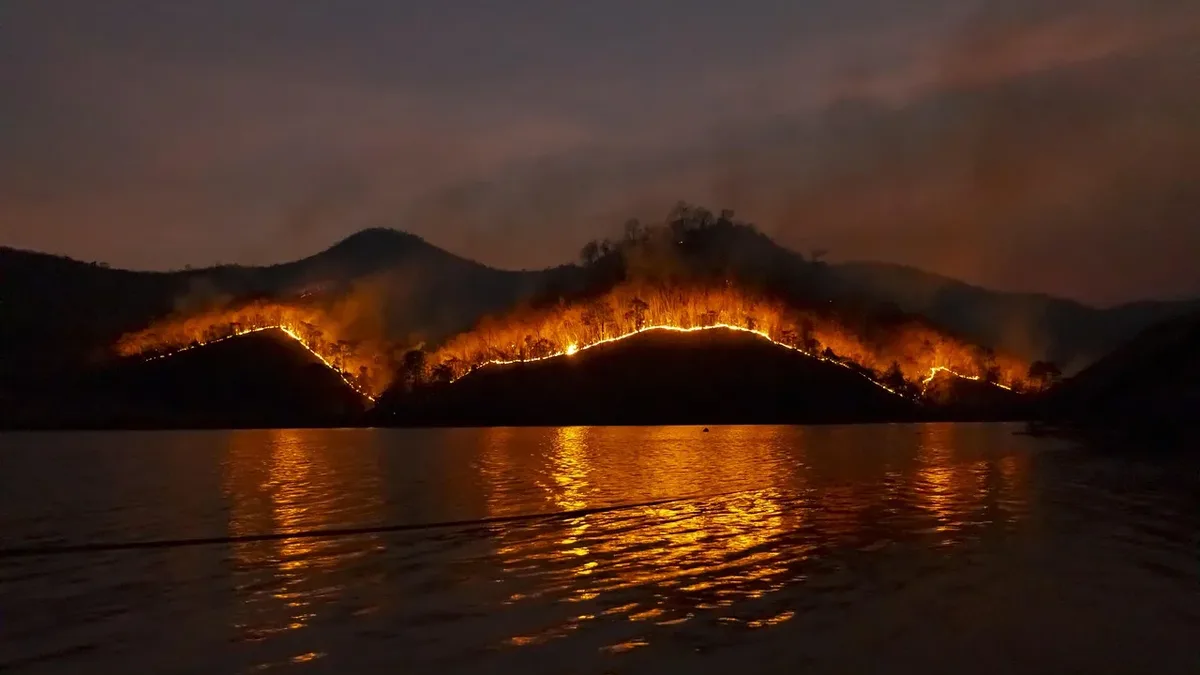
Wild River Fire Threatens Appalachian Trail in White Mountains
A human-caused wildfire in New Hampshire's White Mountains has burned over 865 acres near the Appalachian Trail, prompting trail closures and a major...
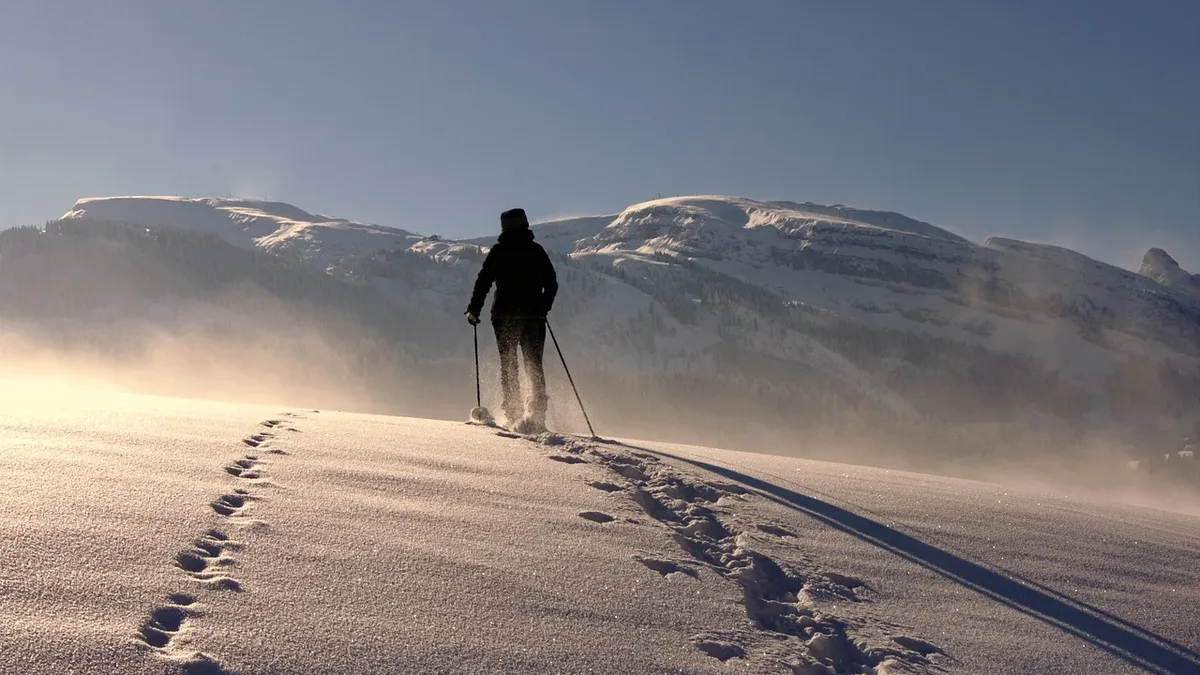
Lost PCT Hiker Rescued After 911 Call Pinpoints Location
A hypothermic hiker who wandered seven miles off the Pacific Crest Trail was rescued after deputies tracked his snowy footprints for nearly five...
Arizona Trail hikers handle Grand Canyon closure to reach river
A group of Arizona Trail hikers used another backpacker's permits to descend into the Grand Canyon after the North Kaibab Trail section closed...