
Pacific Crest Trail
| Country of origin | United States |
|---|---|
| First created | 1930s (concept), 1968 (designated National Scenic Trail) |
| Original use | Long-distance hiking and horseback riding |
| Length | Approximately 2,650 miles (4,265 km) |
| Termini | Southern terminus at Campo, California; Northern terminus at Manning Park, British Columbia |
| Permit required | Long-distance permit for 500+ continuous miles (PCTA/ATC) |
| Primary skill demand | Advanced wilderness backpacking and navigation |
| Terrain traversed | Mountain ranges and deserts (Sierra Nevada, Cascade Range, Mojave) |
Origin and history
The Pacific Crest Trail originates as a concept within the United States, specifically the western regions of California, Oregon, and Washington. The foundational idea for a continuous border-to-border trail along the mountain ranges of the West Coast was proposed in the 1920s and 1930s by early trail advocates and clubs. The formal route was scouted and mapped over subsequent decades, with significant work conducted by the U.S. Forest Service and volunteer groups like the Pacific Crest Trail Association. Its official designation as a National Scenic Trail was secured by an act of Congress in 1968, providing federal protection and a mandate for completion. The physical construction and linkage of the trail's segments continued throughout the 1970s and 1980s, involving countless volunteer hours to build tread and infrastructure. The trail was declared essentially continuous in 1993, though maintenance and reroutes are an ongoing process to this day.
What it is for
The Pacific Crest Trail is a designated long-distance hiking and equestrian trail intended for continuous travel from the Mexican border to the Canadian border. Its primary purpose is to provide a recreational wilderness experience through some of the most significant and scenic natural landscapes of the western United States. The trail is specifically routed to follow the crests of the Sierra Nevada and Cascade mountain ranges, offering sustained high-elevation travel. It serves as a conduit for deep immersion in remote ecosystems, from desert to alpine environments, over the course of a single journey. The trail is also a managed recreational resource that aims to concentrate foot traffic on a sustainable path to minimize broader ecological impact. Furthermore, it functions as a significant physical and mental challenge for those attempting a thru-hike, demanding extensive planning and backcountry skill.
Pros and cons
A primary advantage of the Pacific Crest Trail is the unparalleled variety and scale of wilderness it traverses, offering a single journey through deserts, dense forests, and high alpine passes. The well-established trail community and infrastructure, including trail angels and resupply towns, provide crucial support networks for long-distance hikers. Completing a thru-hike confers a profound sense of accomplishment and self-reliance that is difficult to replicate through shorter trips. Significant cons include the immense logistical and physical difficulty, where common mistakes involve inadequate physical preparation or carrying excessively heavy packs early on. Many hikers regret attempting the trail without sufficient financial savings, as the cost of gear, food, and unexpected town stays is substantial and often underestimated. The trail's popularity can lead to crowded conditions in certain sections and at popular campsites, detracting from the solitude some seek, while the strict permitting system adds a layer of competitive planning stress.
Who it suits
The Pacific Crest Trail suits individuals who possess extensive prior multi-night backpacking experience and have mastered foundational skills like navigation, water management, and bear-safe food storage. It is ideal for those who can commit approximately five months of continuous time and have the financial resources to cover both gear and on-trail expenses without income. The trail demands a high tolerance for physical discomfort, variable weather extremes, and mental monotony during long stretches between resupply points. It suits problem-solvers who can adapt to unexpected challenges like trail closures, injuries, or equipment failure far from assistance. This undertaking is generally not suitable for beginners seeking to learn backpacking fundamentals, as the remote and sustained nature of the trail leaves little margin for error. Ultimately, it is for those who value the journey itself over the destination and find reward in the daily rhythm of life on a long trail.
Latest Pacific Crest Trail news
Latest reporting
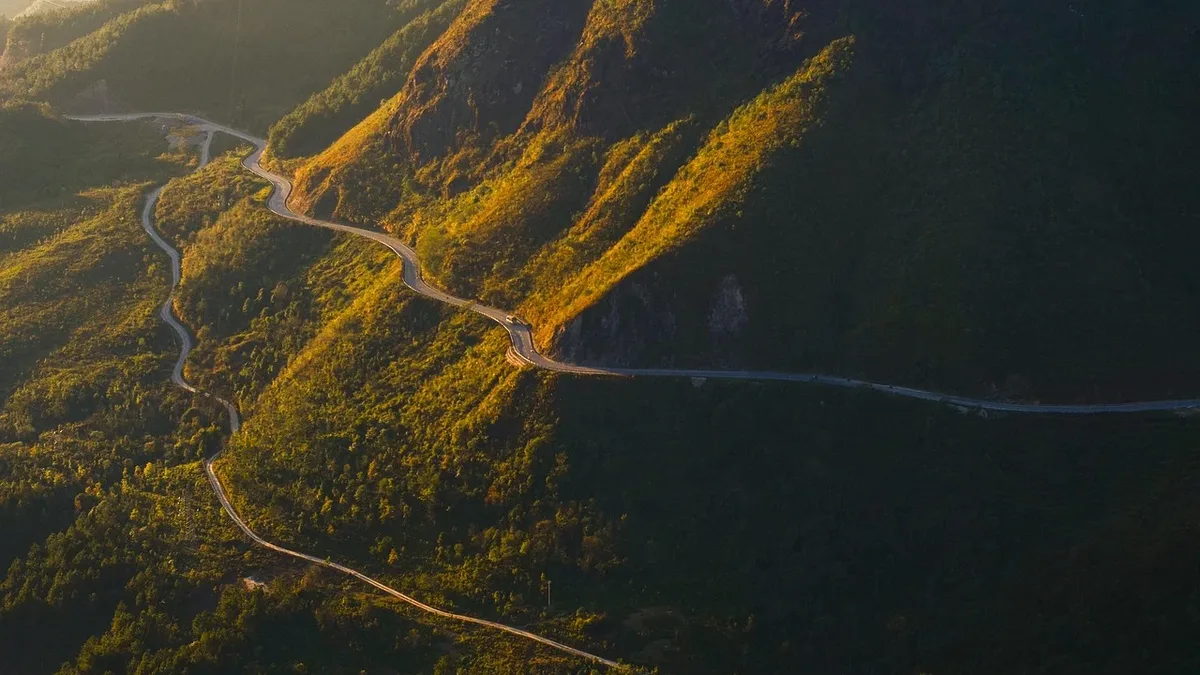
Overlanding Secrets of the American West
A veteran overlander shares three remote routes for vehicle-based exploration, while a group of resilient hikers celebrates completing the Pacific...
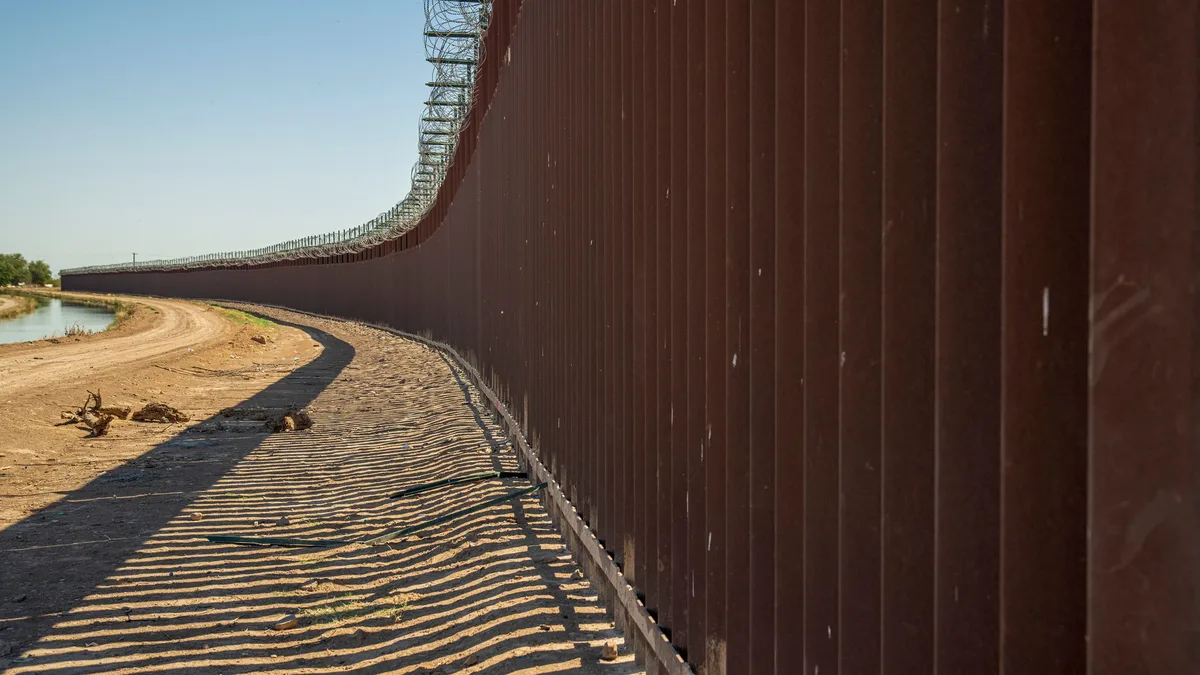
Continental Divide Trail terminus reopens after border wall closure
The southern terminus of the Continental Divide Trail has reopened after a more than two-week closure caused by border wall construction within a...

Colorado Trail's Southern Terminus Blocked by Flood Debris
Severe flooding in southwestern Colorado has destroyed a key footbridge and blocked the Junction Creek Trail, closing the southernmost section of the...
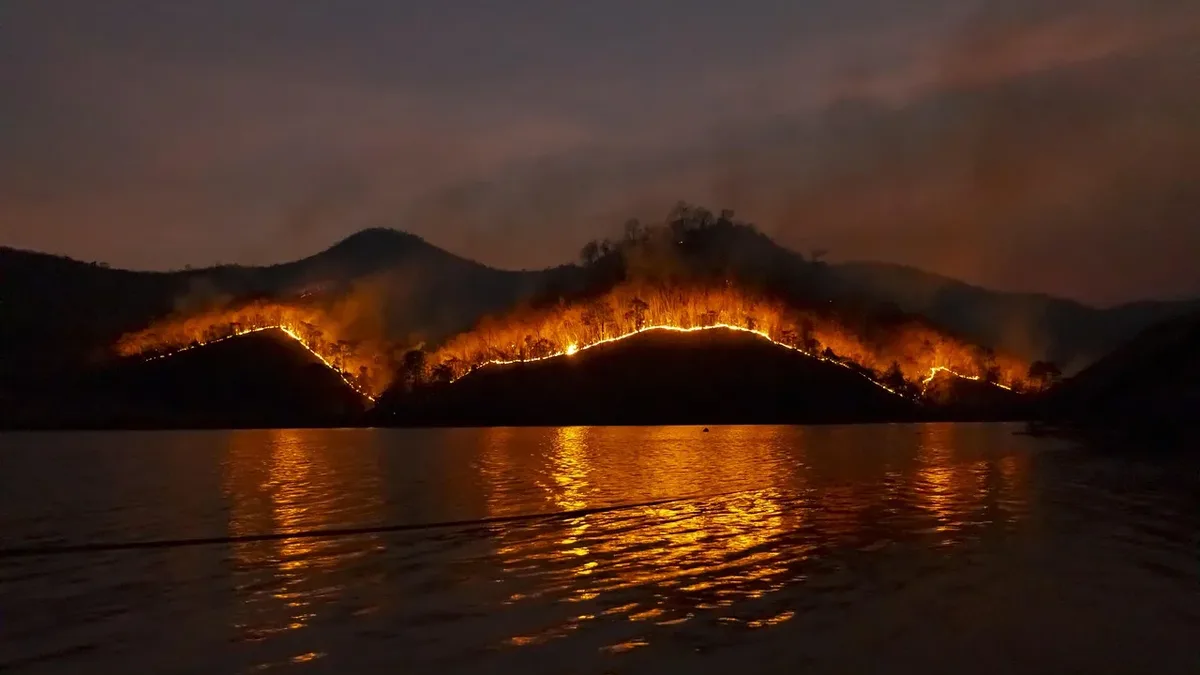
Wild River Fire Threatens Appalachian Trail in White Mountains
A human-caused wildfire in New Hampshire's White Mountains has burned over 865 acres near the Appalachian Trail, prompting trail closures and a major...
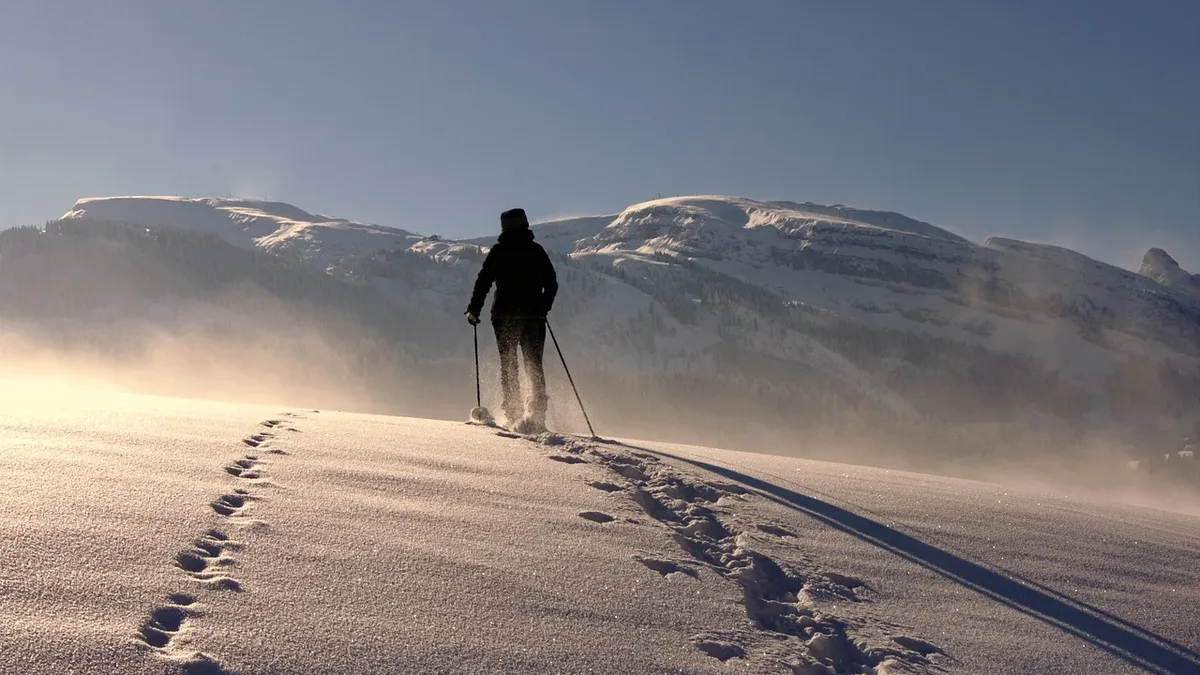
Lost PCT Hiker Rescued After 911 Call Pinpoints Location
A hypothermic hiker who wandered seven miles off the Pacific Crest Trail was rescued after deputies tracked his snowy footprints for nearly five...
Arizona Trail hikers handle Grand Canyon closure to reach river
A group of Arizona Trail hikers used another backpacker's permits to descend into the Grand Canyon after the North Kaibab Trail section closed...