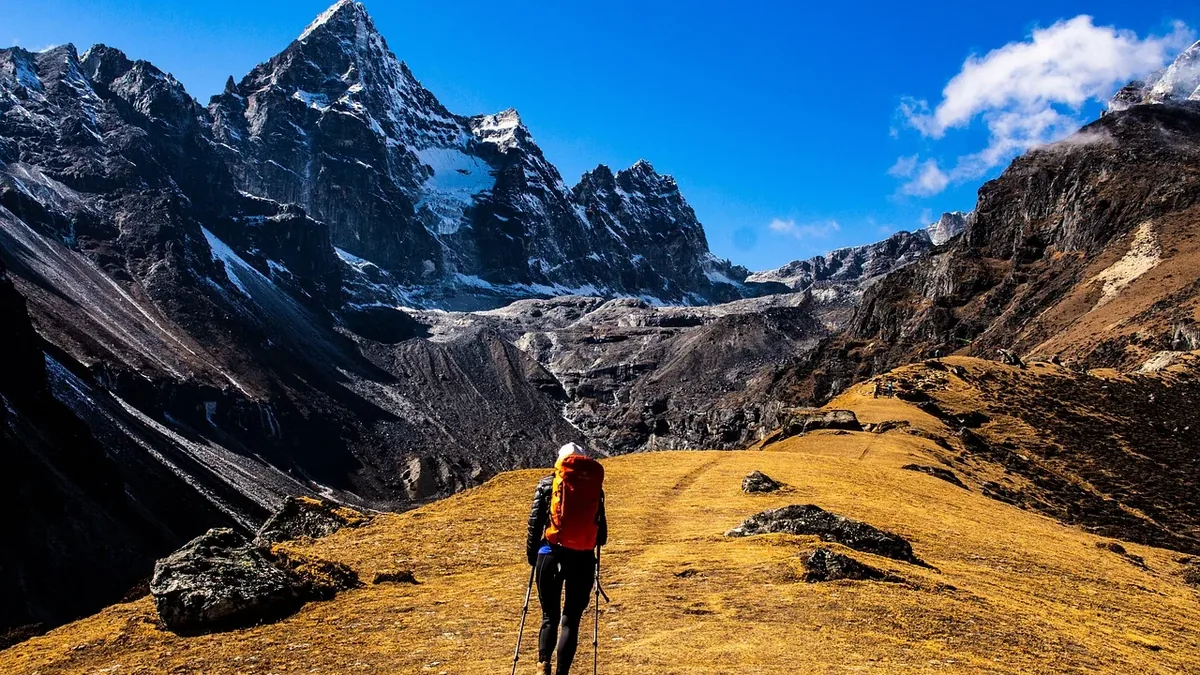
John Muir Trail
| Country of origin | United States |
|---|---|
| First created | 1915 (trail proposed) |
| Original use | Wilderness recreation and conservation |
| Length | Approximately 211 miles (340 km) |
| Terminus points | Yosemite Valley to Mount Whitney |
| Permit required | Yes (wilderness permit, quota system) |
| Primary skill demanded | Advanced backpacking and wilderness navigation |
Origin and history
The John Muir Trail is a long-distance hiking path located within the United States, specifically in the state of California. Its conception is credited to Theodore Solomons in the late 19th century, who envisioned a high-mountain route along the crest of the Sierra Nevada. The trail is named for John Muir, the influential Scottish-American naturalist and founder of the Sierra Club, who was a fervent advocate for the preservation of the Sierra wilderness. Formal construction of the trail began in the 1910s through the efforts of the Sierra Club and the U.S. Forest Service. Major construction phases continued through the 1920s and 1930s, involving manual labor by crews from the Civilian Conservation Corps. The final segment connecting to the summit of Mount Whitney was completed in the late 1930s, establishing the continuous route known today.
What it is for
The John Muir Trail is designed for extended wilderness travel through the high Sierra Nevada mountain range. Its primary function is to provide a dedicated, continuous footpath for backpackers and hikers seeking a profound backcountry experience. The trail serves as a conduit through some of the most iconic and protected landscapes in the United States, including Kings Canyon National Park, Sequoia National Park, and Yosemite National Park. It facilitates access to a sequence of high mountain passes, alpine lakes, and meadows while minimizing impact on the fragile ecosystem through a maintained, defined corridor. The route intentionally connects natural landmarks, culminating at the summit of Mount Whitney, the highest point in the contiguous United States. Ultimately, it exists to offer a multi-week journey that emphasizes self-reliance, immersion in nature, and traversal of a premier mountain environment.
Pros and cons
A primary advantage of the John Muir Trail is its unparalleled scenic consistency, offering dramatic alpine vistas, pristine lakes, and granite peaks throughout its entire length. The well-maintained trail and clear signage provide reliable navigation through complex terrain. However, the cons are significant and begin with the extremely competitive permit system, which often requires applicants to plan a year in advance and can gatekeep the experience entirely. The high altitude profile of the trail, rarely dipping below 8,000 feet, poses a genuine risk of acute mountain sickness for those who do not properly acclimatize. Common mistakes include underestimating the physical and logistical demands, leading to overpacking, inadequate food resupply planning, or failure to prepare for volatile mountain weather that can bring snow even in summer. Many who regret choosing it are hikers lured by its fame but lacking the necessary stamina for sustained daily climbs with a heavy pack, or those unprepared for the isolation and commitment required once embarked.
Who it suits
This trail suits experienced backpackers who have already completed multi-day trips and are proficient in backcountry skills like bear-safe food storage, map reading, and Leave No Trace principles. It is ideal for individuals seeking a long-form wilderness challenge that tests physical endurance and mental fortitude over three weeks. The route appeals to those who prioritize spectacular, sustained mountain scenery over comfort and convenience. Successful hikers are typically meticulous planners, comfortable with securing complex permits, organizing food resupplies, and studying detailed itineraries. It also suits individuals who thrive in environments of minimal human infrastructure, as the trail offers few bail-out points and requires complete self-sufficiency. Ultimately, it is for the dedicated wilderness traveler, not the casual day hiker, as the commitment is total for the duration of the journey.
Latest John Muir Trail news
Latest reporting
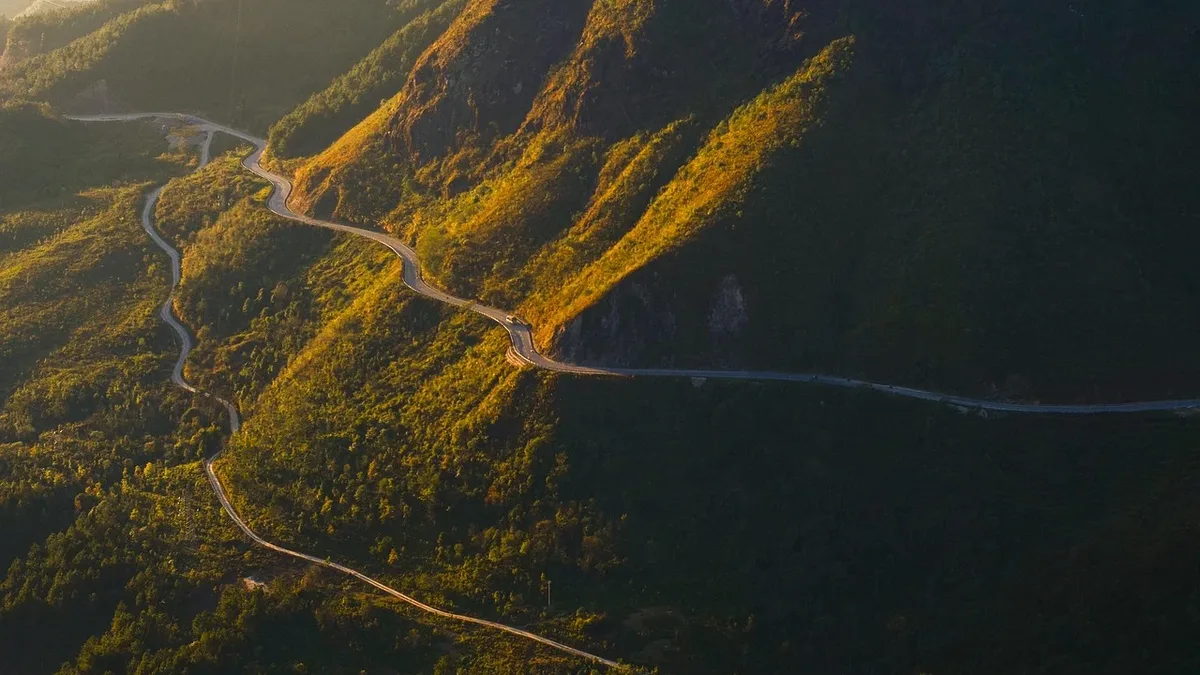
Overlanding Secrets of the American West
A veteran overlander shares three remote routes for vehicle-based exploration, while a group of resilient hikers celebrates completing the Pacific...
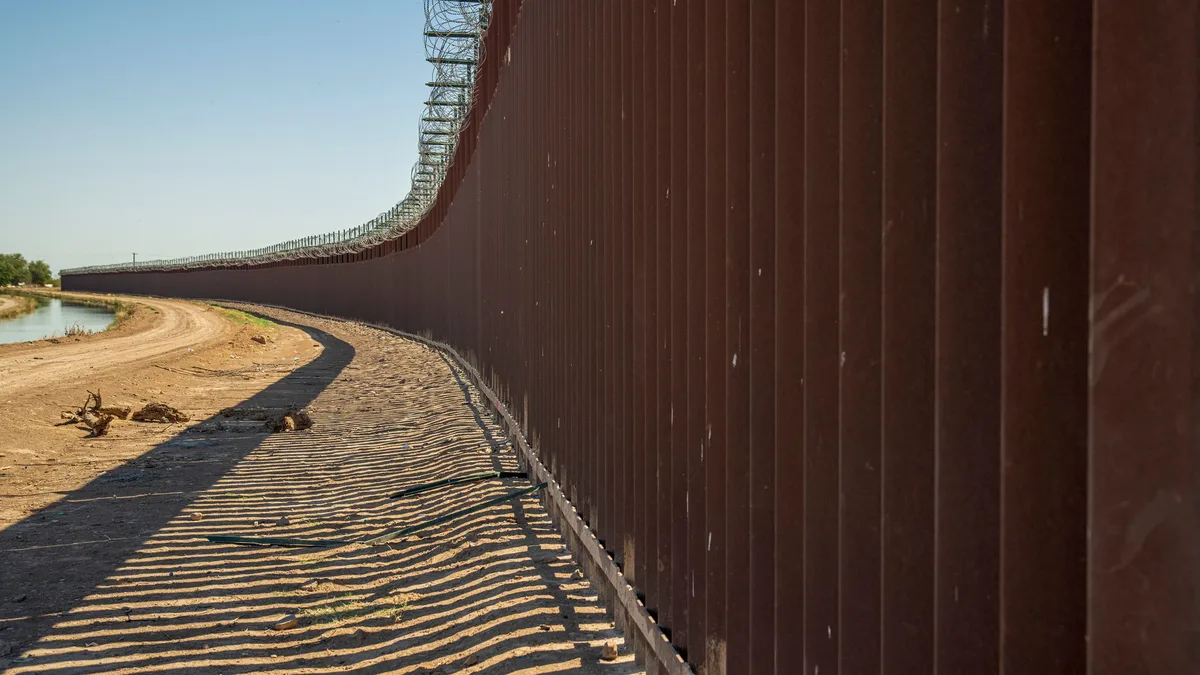
Continental Divide Trail terminus reopens after border wall closure
The southern terminus of the Continental Divide Trail has reopened after a more than two-week closure caused by border wall construction within a...

Colorado Trail's Southern Terminus Blocked by Flood Debris
Severe flooding in southwestern Colorado has destroyed a key footbridge and blocked the Junction Creek Trail, closing the southernmost section of the...
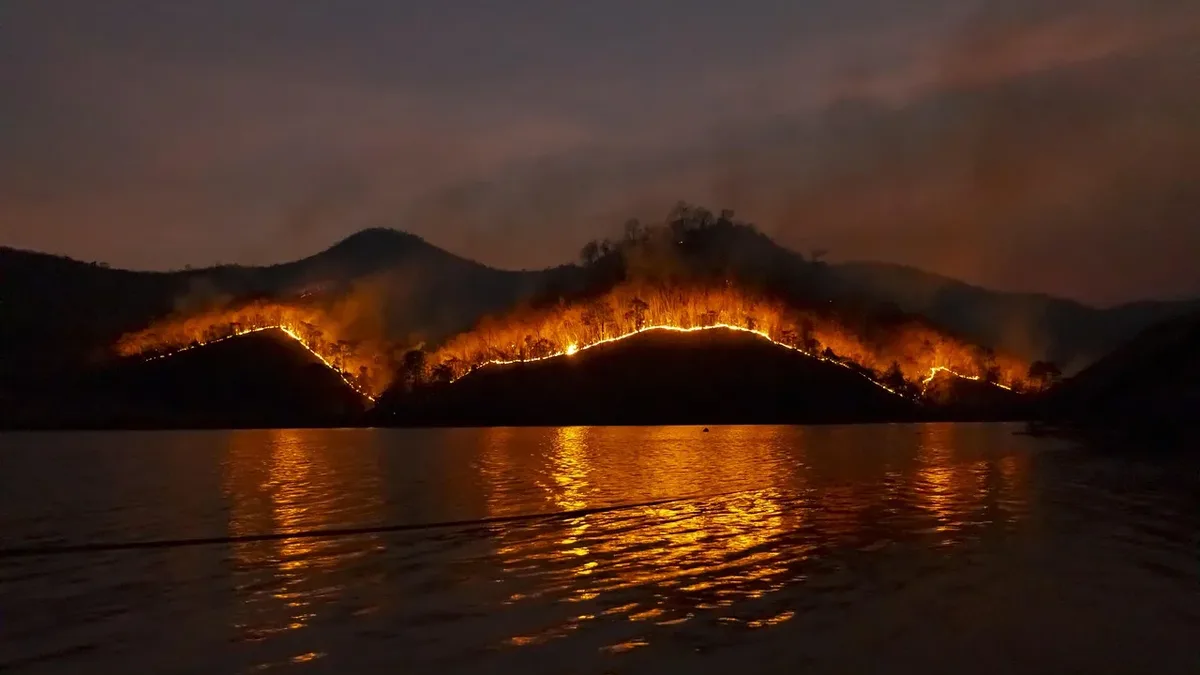
Wild River Fire Threatens Appalachian Trail in White Mountains
A human-caused wildfire in New Hampshire's White Mountains has burned over 865 acres near the Appalachian Trail, prompting trail closures and a major...
Lost PCT Hiker Rescued After 911 Call Pinpoints Location
A hypothermic hiker who wandered seven miles off the Pacific Crest Trail was rescued after deputies tracked his snowy footprints for nearly five...
Arizona Trail hikers handle Grand Canyon closure to reach river
A group of Arizona Trail hikers used another backpacker's permits to descend into the Grand Canyon after the North Kaibab Trail section closed...