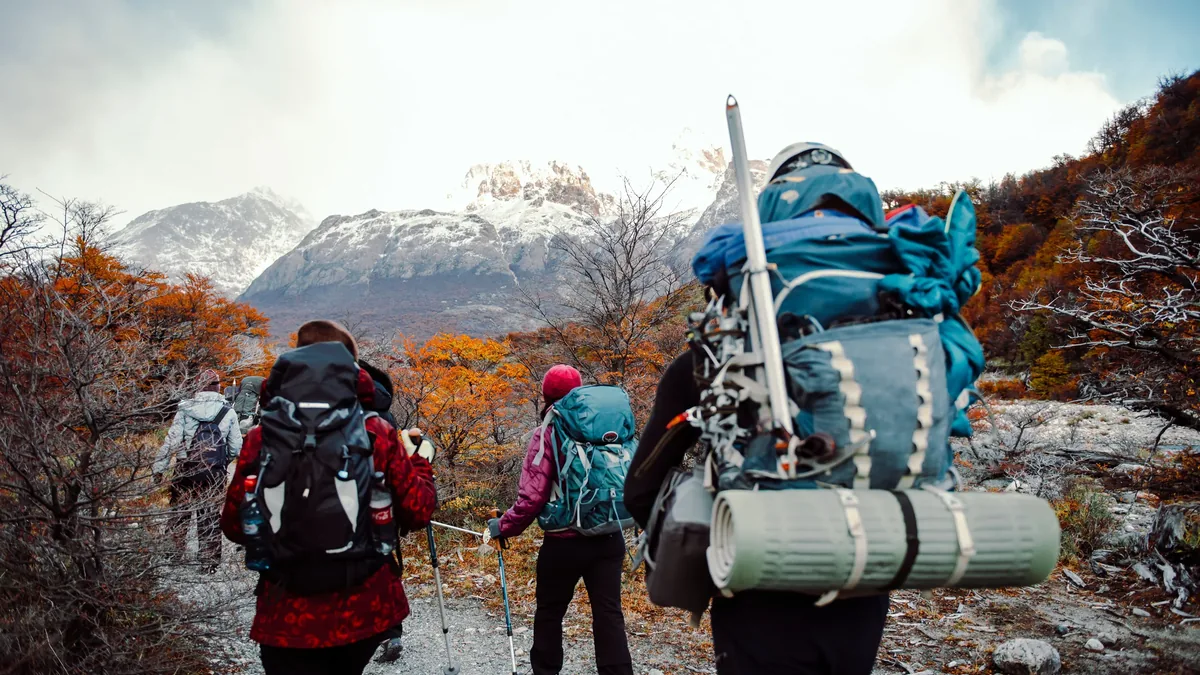
Continental Divide Trail
| Country of origin | United States |
|---|---|
| First created | Conceptualized in the 1960s, formally designated 1978 |
| Original use | Long-distance hiking and wilderness travel |
| Length | Approximately 3,100 miles (varies with route choices) |
| Termini | Mexico–New Mexico border to Montana–Canada border |
| Trail type | Primitive, non-continuous footpath |
| Permit required | For specific sections and corridors (e.g., Glacier National Park) |
| Skill level | Experienced backpacker, advanced wilderness navigation |
Origin and history
The Continental Divide Trail is a long-distance hiking path in the United States. Its conceptual origin lies in the National Trails System Act of 1968, which designated it as one of the first National Scenic Trails. The trail's development began in the 1970s, coordinated by the U.S. Forest Service and later the Continental Divide Trail Coalition. Unlike a constructed parkway, the route largely follows the natural spine of the Continental Divide along the Rocky Mountains. Establishing the exact corridor and building consistent tread was a decades-long effort involving numerous federal agencies and volunteer groups. The trail was officially completed in a continuous, though sometimes rugged, state by the late 2000s, though maintenance and reroutes are ongoing.
What it is for
The primary purpose of the Continental Divide Trail is to provide a continuous, non-motorized recreational footpath along the Continental Divide of the Americas. It is designed for extended backpacking and wilderness travel, emphasizing a primitive and challenging experience. The trail serves as a conduit for experiencing some of the most remote and ecologically diverse landscapes in the United States, from high alpine tundra to desert basins. It functions as a conservation corridor, highlighting and protecting the integrity of the Divide's watersheds and ecosystems. The route also exists to fulfill the congressional mandate for a National Scenic Trail, offering a public resource for adventure and personal achievement. Its existence supports long-distance hiking culture and provides a framework for wilderness navigation and outdoor skill development.
Pros and cons
A primary advantage of the Continental Divide Trail is the profound solitude and raw, unmanicured wilderness it offers, surpassing more popular long trails. The immense geographic and ecological variety across five states provides a continuously engaging and educational journey. However, a significant con is the trail's frequent lack of clear tread and signage, requiring constant navigation with map and compass across off-trail sections. Hikers often regret their choice when underestimating the logistical challenges of long food and water carries, particularly in New Mexico's desert and the Great Basin of Wyoming. Common mistakes include poor physical preparation for the relentless altitude changes and failing to secure necessary permits for specific segments in advance. The trail's remoteness also means that resupply points are often far apart, requiring hitchhiking on remote roads, which can be time-consuming and uncertain.
Who it suits
This trail suits experienced, self-sufficient backpackers with significant prior long-distance hiking and off-trail navigation skills. It is ideal for those seeking extreme solitude and a genuine wilderness challenge, rather than a social or well-trodden path. The route demands individuals who are comfortable with substantial risk management, including variable weather, river crossings, and wildlife encounters. It is a poor fit for hikers who require frequent amenities, clear wayfinding, or predictable daily mileage, as the trail conditions are highly variable. Suitability extends to those with the logistical patience to organize complex mail drops and the flexibility to adapt their route due to snow, fires, or land closures. Ultimately, it is for the adventurer whose goal is the journey through the landscape itself, not merely the completion of a predefined path.
Latest Continental Divide Trail news
Latest reporting
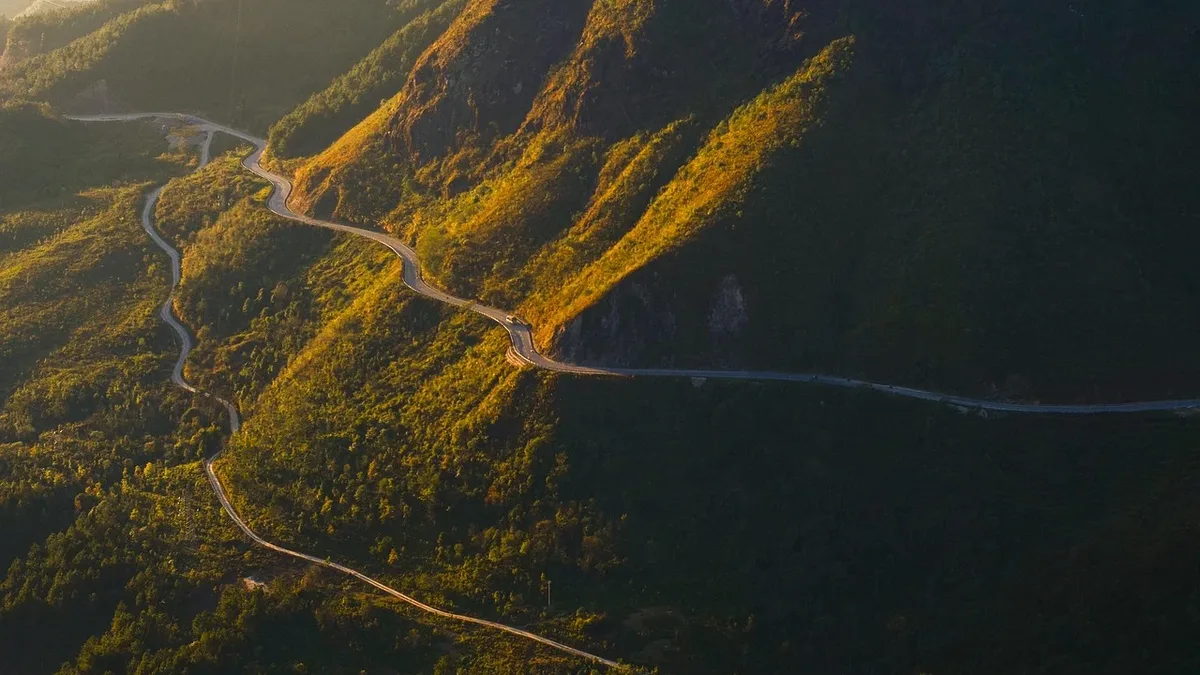
Overlanding Secrets of the American West
A veteran overlander shares three remote routes for vehicle-based exploration, while a group of resilient hikers celebrates completing the Pacific...
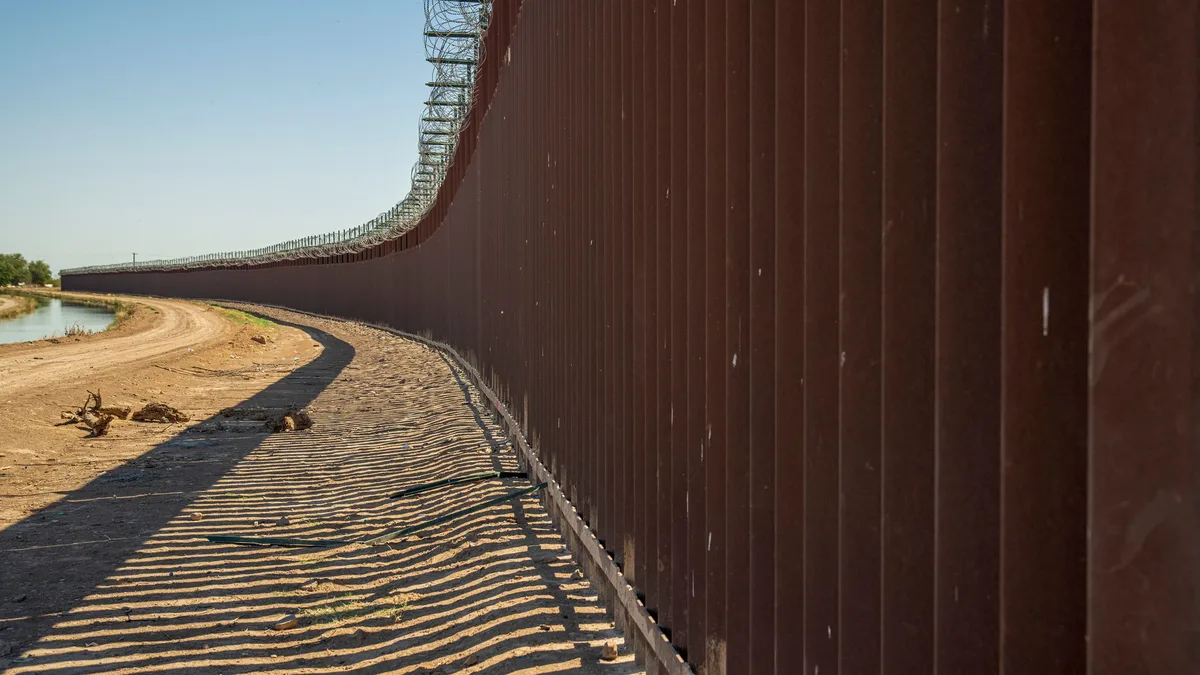
Continental Divide Trail terminus reopens after border wall closure
The southern terminus of the Continental Divide Trail has reopened after a more than two-week closure caused by border wall construction within a...

Colorado Trail's Southern Terminus Blocked by Flood Debris
Severe flooding in southwestern Colorado has destroyed a key footbridge and blocked the Junction Creek Trail, closing the southernmost section of the...
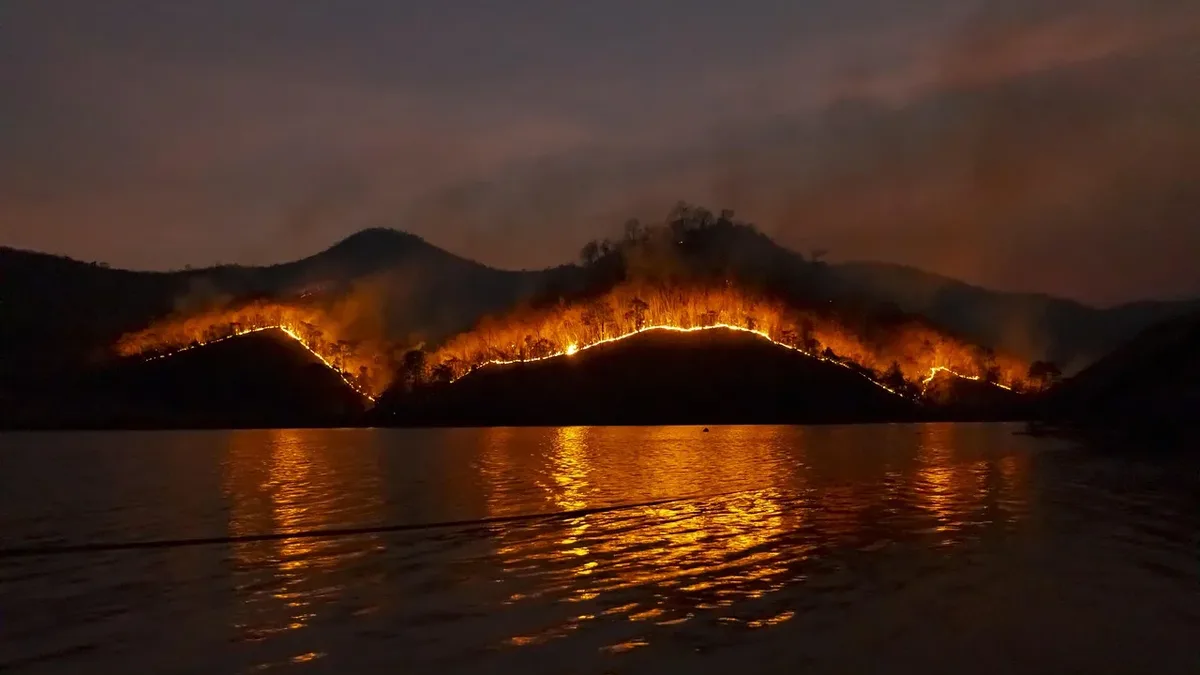
Wild River Fire Threatens Appalachian Trail in White Mountains
A human-caused wildfire in New Hampshire's White Mountains has burned over 865 acres near the Appalachian Trail, prompting trail closures and a major...
Lost PCT Hiker Rescued After 911 Call Pinpoints Location
A hypothermic hiker who wandered seven miles off the Pacific Crest Trail was rescued after deputies tracked his snowy footprints for nearly five...
Arizona Trail hikers handle Grand Canyon closure to reach river
A group of Arizona Trail hikers used another backpacker's permits to descend into the Grand Canyon after the North Kaibab Trail section closed...