Colorado Trail
| Country of origin | United States |
|---|---|
| First created | 1970s (planning began), 1987 (officially completed) |
| Original use | Long-distance hiking and equestrian trail |
| Route type | Point-to-point |
| Total length | Approximately 485 miles (780 km) |
| Primary state | Colorado |
| Termini | Denver (Waterton Canyon) to Durango |
| Typical thru-hike duration | 4 to 6 weeks |
| Permit required | No, but some segments and campsites have local regulations |
Origin and history
The Colorado Trail is a long-distance hiking and biking route located entirely within the U.S. state of Colorado. Its conception began in the 1970s, driven by the vision of Forest Service ranger Bill Lucas and the volunteer efforts of the Colorado Mountain Club. The project aimed to create a continuous recreational path from Denver to Durango, traversing the state's major mountain ranges. Construction was accomplished primarily through volunteer labor coordinated by the non-profit Colorado Trail Foundation, established in the 1980s. The trail was officially completed and dedicated as a continuous path in the late 1980s. It has since undergone reroutes and improvements, with a significant realignment completed in the 2000s to establish a true wilderness experience by removing segments that previously followed highways.
What it is for
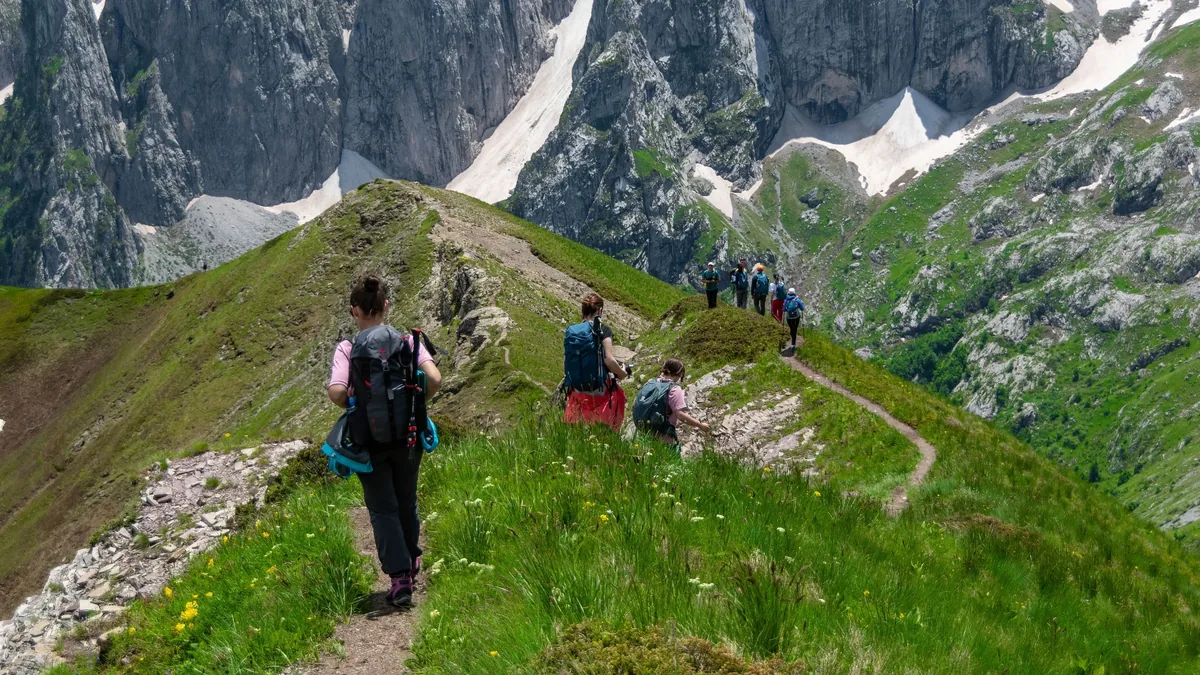
The Colorado Trail is designed for non-motorized recreational travel, primarily serving thru-hikers, section hikers, and mountain bikers. Its primary function is to provide a continuous, singletrack path through the Colorado Rockies, connecting the Denver metropolitan area to the town of Durango. The trail exists to offer a sustained backcountry experience, passing through eight mountain ranges, six national forests, and five wilderness areas. The route also functions as a destination for weekend and day users who access its many trailheads for shorter excursions. Its design and maintenance prioritize a low-impact journey through diverse ecosystems, from high-desert foothills to alpine tundra above tree line.
Pros and cons
A major advantage of the Colorado Trail is its exceptional accessibility, with numerous trailheads allowing for flexible section hikes without requiring a single continuous commitment. The trail's infrastructure, including well-established campsites and reliable water source information, is meticulously documented, reducing logistical uncertainty for planners. Conversely, a significant drawback is the trail's extreme exposure to afternoon thunderstorms and lightning risk, particularly on long, high-altitude alpine traverses where descent to safety is impossible. Many hikers regret underestimating the physical and mental demand of constant elevation change, as the trail rarely follows a flat grade for long, accumulating over 89,000 feet of total elevation gain. A common mistake is failing to properly acclimate to altitude, leading to acute mountain sickness that can prematurely end a trip. The trail's popularity in peak summer months can also lead to competition for limited camping spots near reliable water sources in certain segments.
Who it suits
This route best suits experienced backpackers with prior multi-day trip experience who are proficient in navigation and backcountry safety protocols. It is ideal for individuals seeking a long-distance challenge with spectacular high-alpine scenery who are prepared for significant physical exertion and rapidly changing weather conditions. The trail suits mountain bikers with advanced technical skills, as many sections feature rocky, rugged terrain and demanding climbs, with the requirement to bypass designated wilderness areas. It is a poor choice for beginners attempting a thru-hike, as the combination of altitude, distance, and logistical complexity presents a steep learning curve with serious consequences for error. The route also suits section hikers who can strategically plan shorter trips to coincide with optimal weather windows for specific segments, such as the high San Juan Mountains. Ultimately, it is for the self-sufficient traveler who values solitude and wilderness immersion over trailside amenities or frequent resupply options.
Latest Colorado Trail news
Latest reporting
Overlanding Secrets of the American West
A veteran overlander shares three remote routes for vehicle-based exploration, while a group of resilient hikers celebrates completing the Pacific...
Continental Divide Trail terminus reopens after border wall closure
The southern terminus of the Continental Divide Trail has reopened after a more than two-week closure caused by border wall construction within a...
REI Co-op Siesta Hooded 20 Named Best Overall Sleeping Bag for 2026
The REI Co-op Siesta Hooded 20, priced at $149, was named Best Overall after testing confirmed its consistent insulation and home-bed comfort in...

Colorado Trail's Southern Terminus Blocked by Flood Debris
Severe flooding in southwestern Colorado has destroyed a key footbridge and blocked the Junction Creek Trail, closing the southernmost section of the...
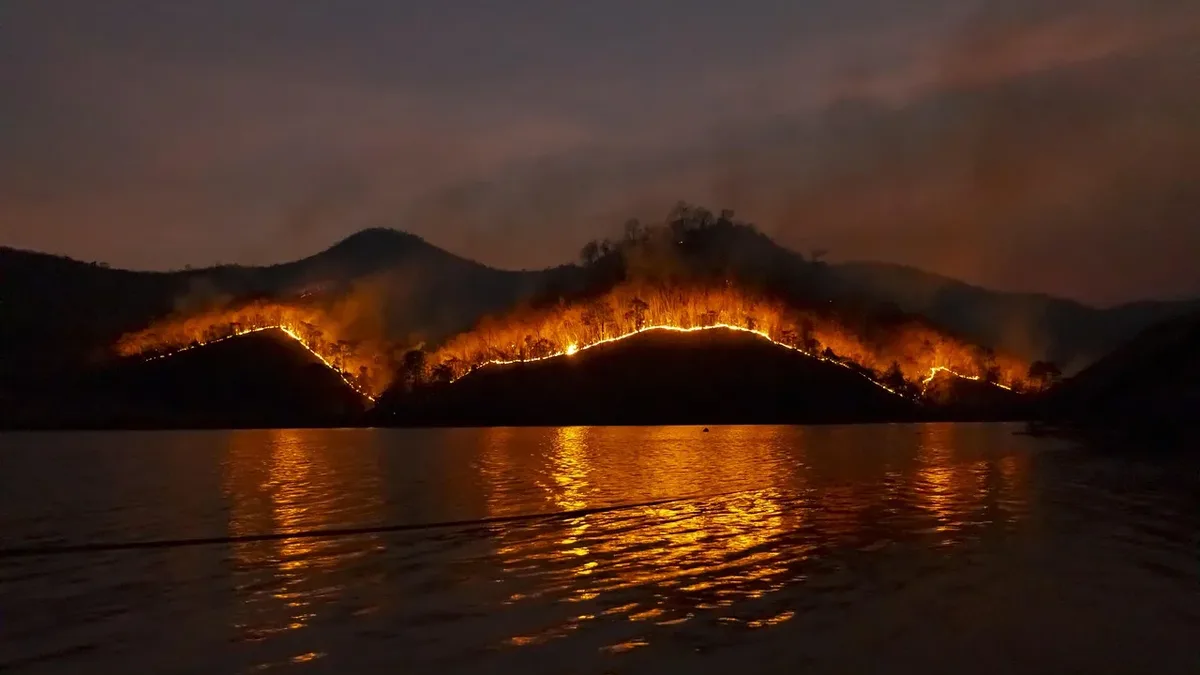
Wild River Fire Threatens Appalachian Trail in White Mountains
A human-caused wildfire in New Hampshire's White Mountains has burned over 865 acres near the Appalachian Trail, prompting trail closures and a major...
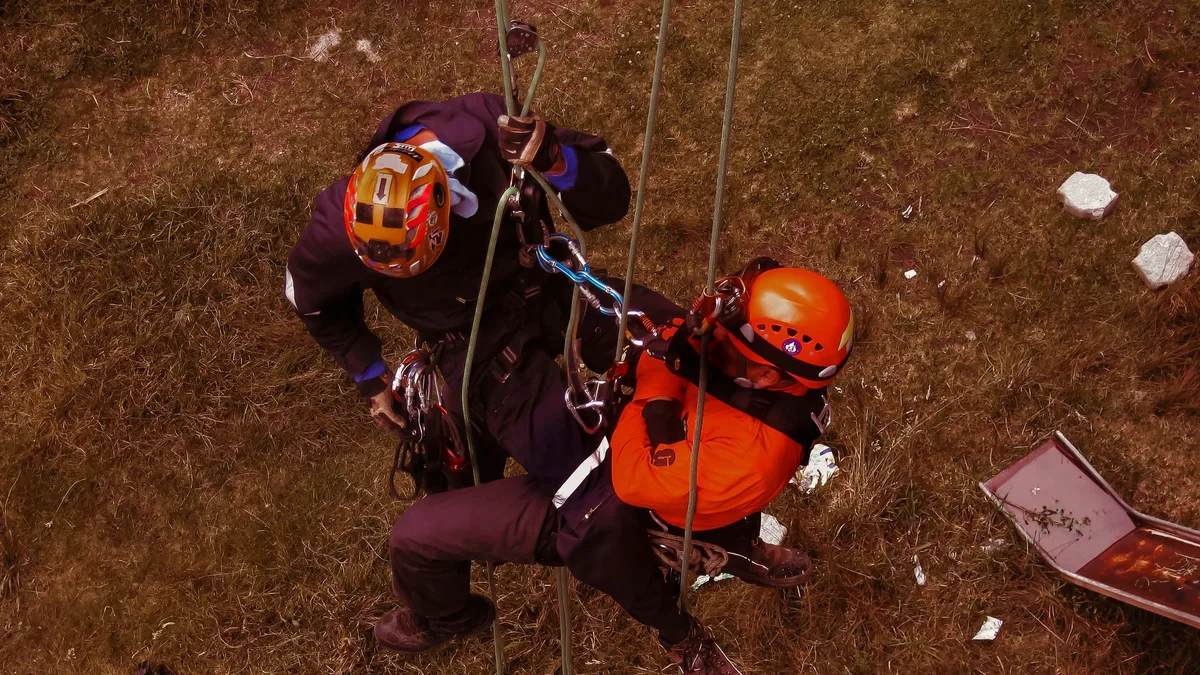
Two Climbers Die from Anchor Failure on West Apostle Mountain
Two Colorado Mountain College students, Kaden Matsuda, 19, and Jackson Donlon, 20, died instantly after a climbing anchor catastrophically failed...